In the middle of Guanabara Bay sits an island that seems frozen in time: Paquetá Island. Just a 50-minute ferry ride from Praça XV in downtown Rio de Janeiro, Paquetá surprises even locals. No cars, no motorcycles, no engine noise — the island runs exclusively on bicycles and horse-drawn carriages, in a bucolic atmosphere that contrasts sharply with Rio’s urban chaos. In this guide, you’ll learn everything about the ferry ride, what to do and see on the island, and how to plan the perfect day trip from downtown Rio.
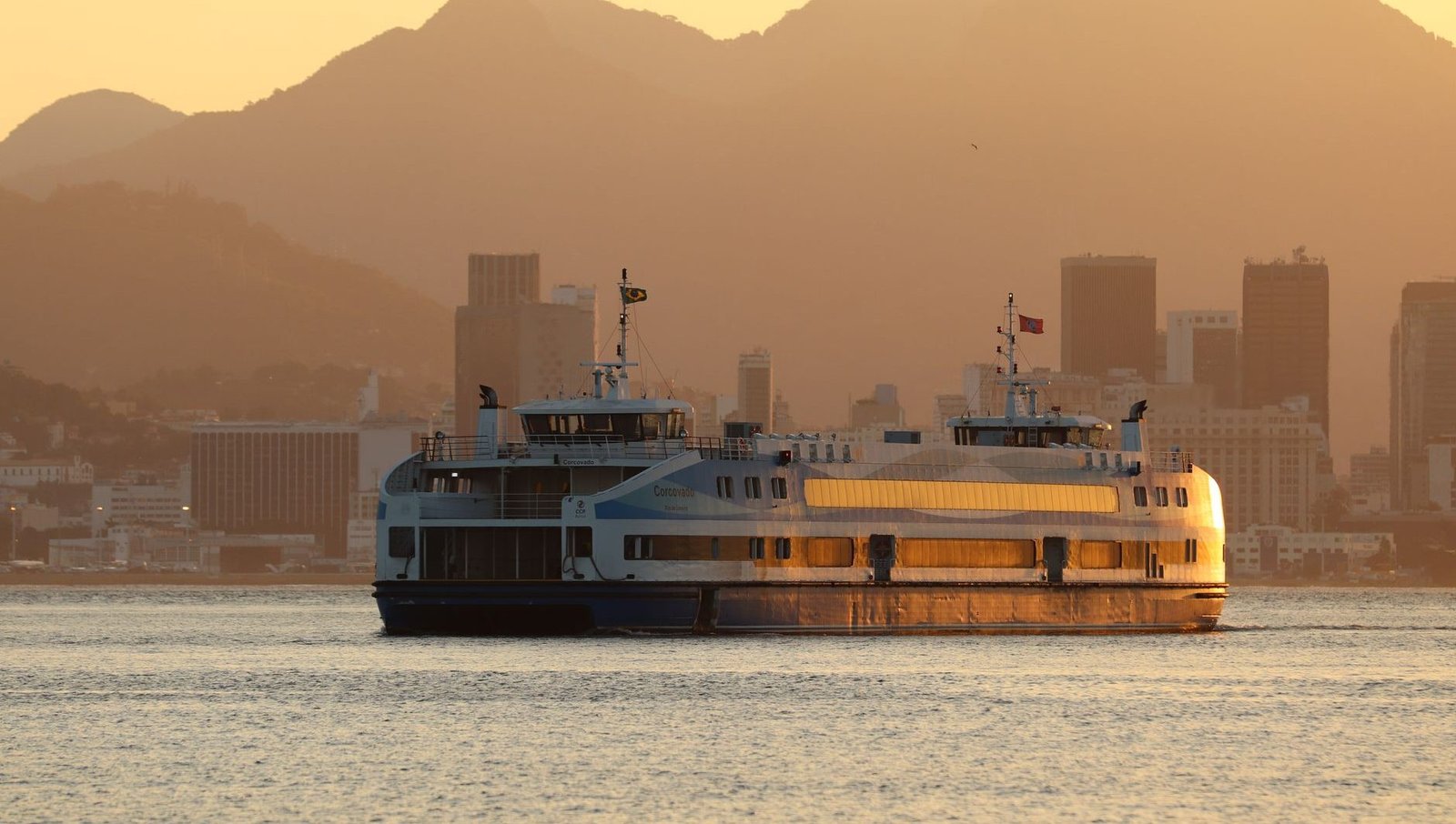
Getting to Paquetá: The Ferry Ride
The only way to reach Paquetá is by ferry, operated by CCR Barcas, departing from the Praça XV Ferry Station in downtown Rio de Janeiro. The crossing takes about 50 minutes and covers a good stretch of Guanabara Bay — with views of the historic center, Sugarloaf Mountain, the Rio-Niterói Bridge, and the islands beyond.
Dica: Aproveite também para fazer estes passeios no Rio de Janeiro
Cristo Redentor de trem e tour pelo Rio de janeiro. Duração: 4 horas
Passeio grátis pelo centro histórico do Rio e Lapa. Duração: 3 horas
Free tour pelo bairro de Santa Teresa. Duração: 2h 30m
Amanhecer no mirante de Dona Marta + Cristo Redentor Duração: 4 horas
Veja todos os passeios e tranfers no Rio de Janeiro
Ferries to Paquetá run on a specific schedule throughout the day — there isn’t a departure every hour, so planning is essential. On weekends and holidays, more departures are available, and the crowds are bigger. It’s recommended to check the updated timetable on the CCR Barcas website before you go, as schedules are subject to seasonal adjustments.
Ticket prices are quite affordable — historically around R$ 7 to R$ 10 per leg (prices may have been adjusted; always check the official website). For a day trip, you pay for the outbound and return trips separately at the boarding turnstile.

The Car-Free Island: Bikes and Horse Carriages
Paquetá has a rule that makes it unique in Rio de Janeiro: motor vehicles are banned. The only exceptions are a few public service vehicles, like ambulances and city government cars. For residents and visitors alike, transportation means bicycles, horse-drawn carriages, and your own two feet.
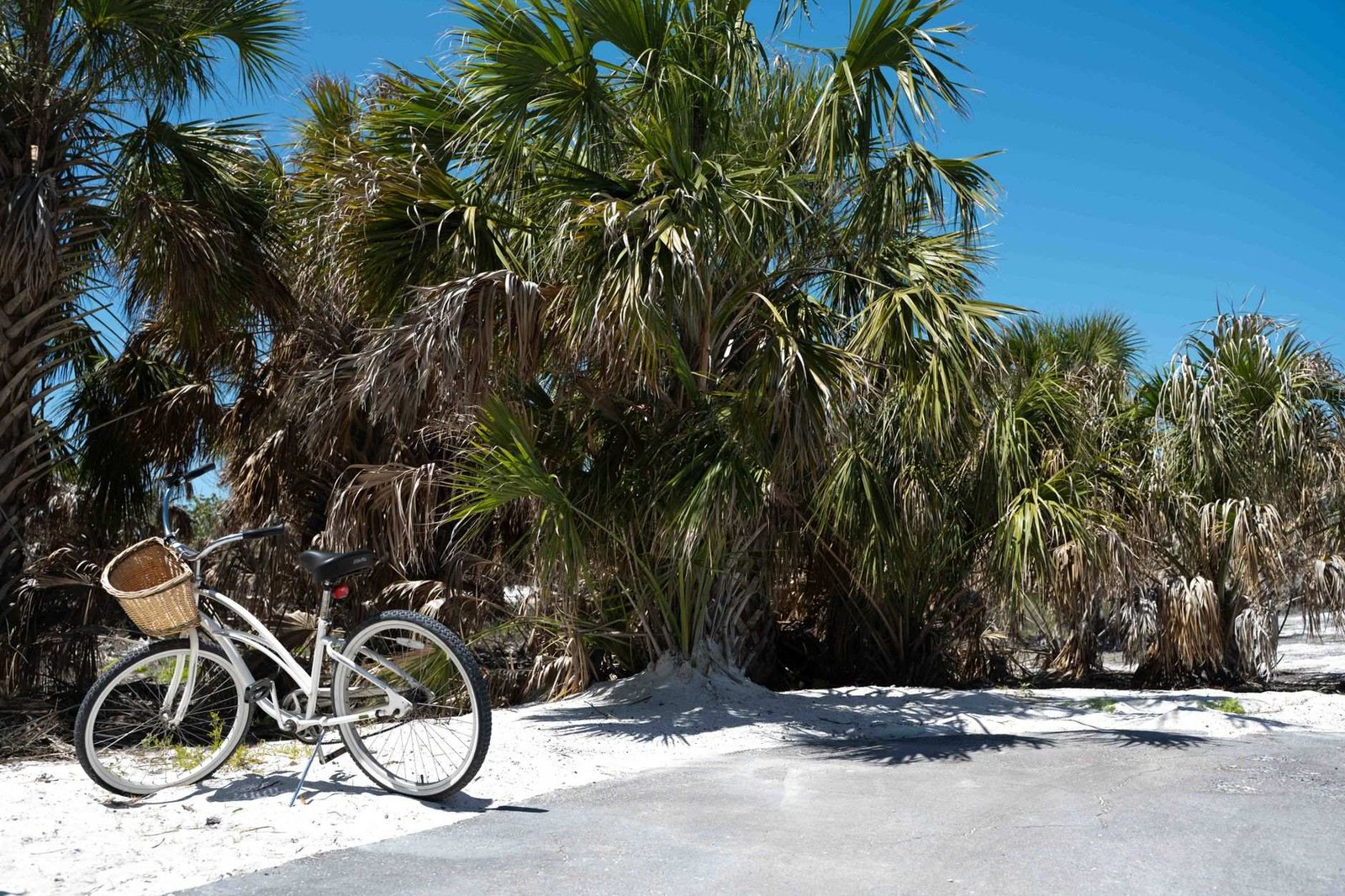
As soon as you step off the ferry, you’ll find a cluster of bike rental shops right by the dock. Prices are reasonable — around R$ 20 to R$ 30 per hour or R$ 50 to R$ 80 for the full day, depending on the model. Cycling around the island takes anywhere from 40 minutes to 1.5 hours, depending on your pace and how often you stop for photos and snacks.
Horse carriages are another option — especially for those traveling with young kids or anyone who prefers a more leisurely ride. The drivers typically offer guided tours with stops at the island’s main sights. Prices range from R$ 60 to R$ 150 for groups of up to 4 people.
What to Do and See in Paquetá
The Island’s Beaches
Paquetá has a few beaches, but let’s be honest: the water quality in Guanabara Bay is unfortunately compromised by pollution from the surrounding area. The island’s beaches are better suited for relaxing and taking in the views than for swimming. The most visited are Praia da Moreninha and Praia José Bonifácio, both with kiosks and lovely views of the bay.
Darke de Mattos Park
The island’s main park features century-old trees, shaded trails, and the atmosphere of a historic estate. It’s a great spot to stop during your bike ride, with benches in the shade and the feeling of being completely removed from urban Rio.
The Historic Manor House and Pedra da Moreninha
Paquetá is the setting for the famous novel A Moreninha (1844) by Joaquim Manuel de Macedo — considered the first Brazilian novel. The Pedra da Moreninha, a large rock formation with views over the bay, is one of the island’s most visited and photographed spots. The climb up is well worth it — the open panorama of Guanabara Bay is stunning.
Colonial Architecture
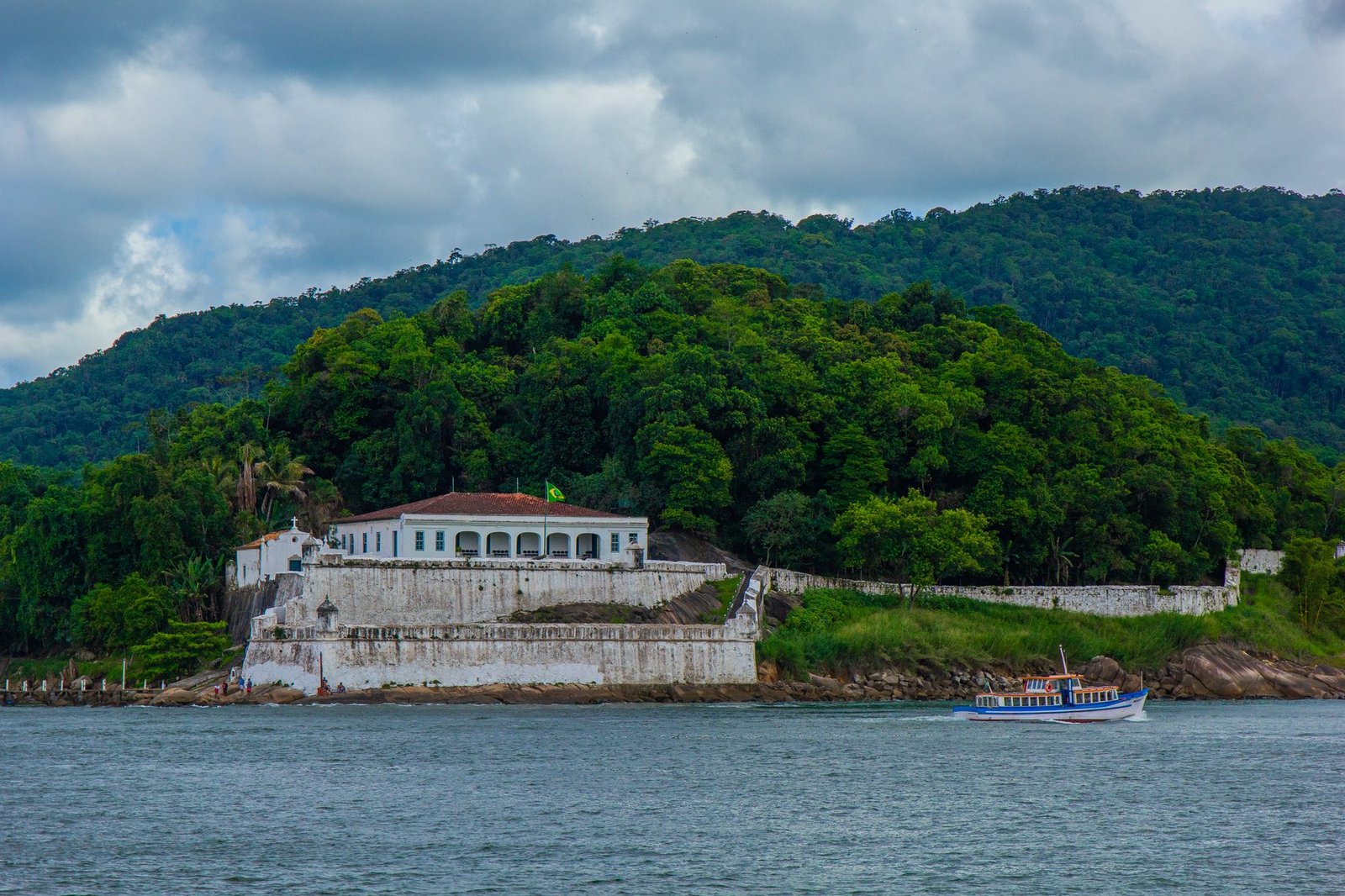
Paquetá boasts an impressive number of well-preserved 19th-century colonial manor houses — colorful townhouses, old churches, and homes with verandas that recall Rio de Janeiro from 200 years ago. The Igreja Nossa Senhora dos Prazeres (from the 18th century) is one of the island’s historic landmarks and deserves a stop.
Where to Eat in Paquetá
The island has a handful of restaurants and casual bars clustered near the dock and along the waterfront. The food is simple and home-style — seafood, grilled fish, fried shrimp, and classic Rio bar snacks. Prices are fair, without the tourist markup you often find at popular destinations.
A good tip is to arrive early in the morning, have lunch at one of the local restaurants (which get lively on weekends), and catch a late-afternoon ferry back to the city. That way, you get the best of both halves of the day without feeling rushed.
Practical Tips for Your Paquetá Day Trip
Go on a weekday if you can: on weekends and holidays, the island gets crowded and the ferries fill up — especially in the late afternoon when everyone tries to head back at once. On a weekday, the experience is far more peaceful, and the island feels almost like it’s all yours.
Bring cash: not every business on Paquetá accepts cards, especially the bike rental kiosks and street vendors. Bring R$ 100 to R$ 200 in cash to cover bike rental, food, and any extras.
Arrive at Praça XV early: the ferry station is in downtown Rio, a busy area. During peak times, there can be a line to buy tickets. Arriving 30 minutes before your desired ferry departure gives you a comfortable safety margin.
Check the last ferry time: missing the last ferry back to Rio is a serious problem. Before you leave the island, confirm the time of the second-to-last ferry (don’t leave it to the last one, as it can be packed) and ensure a smooth return.
Paquetá is one of the most genuinely Carioca experiences out there — no over-the-top tourist glamour, no pricey tickets, no endless lines. It’s the Rio de Janeiro that locals themselves enjoy when they want to escape the routine. If you haven’t been yet, make the most of your visit to Rio and add this day trip to your itinerary. You can also pair it with a stop at Confeitaria Colombo, just a few minutes from Praça XV and one of the most traditional experiences in Rio’s historic center.
The History of Paquetá: From Royalty to Decline and a Tourist Renaissance
Paquetá’s history is fascinating and dates back to colonial Brazil. The island was inhabited by the Tupinambá people before the Portuguese arrived, and its name comes from the Tupi Pakê-etá, meaning “many snakes” — something that sounds ironic today, given the peaceful, laid-back character of the place.
In the 18th and 19th centuries, Paquetá was a favorite destination for Rio’s elite and the imperial family. Dom João VI visited the island several times, and his son, Dom Pedro I, also held a deep fondness for it. The island was the stage for court gatherings, aristocratic parties, and the most sophisticated social life in Rio at the time. This noble past explains the number of historic mansions and townhouses that still dot the island’s streets.
With the arrival of the 20th century and Rio’s rapid urban development, Paquetá gradually lost its exclusive aura. The pollution of Guanabara Bay, which intensified from the 1960s onward, affected the beaches and diminished the appeal of swimming in the sea. The island went through decades of relative tourist neglect — but precisely because of that, it preserved a charm that more “developed” places have lost.
Today, Paquetá is experiencing a quiet renaissance: experience-driven tourism — which seeks authenticity, silence, and contact with nature — has put the island back on the map. Visiting it is, in a way, an act of resistance against mass tourism.
Paquetá for Families with Kids
Paquetá is an excellent destination for families with children of all ages. The absence of cars and motorcycles makes the environment much safer than any neighborhood on the mainland — kids can ride bikes with more freedom, and parents can relax. The ferry ride itself is already a big adventure for the little ones: seeing Rio de Janeiro from the sea, watching other boats, and arriving at the island — which feels like a different world — is often a lasting memory.
The horse-drawn carriages are another attraction that delights children. The drivers are mostly long-time island residents, with stories and knowledge about Paquetá that turn the ride into a living lesson in history and nature. For kids between 5 and 12, it’s one of the most memorable experiences Rio de Janeiro has to offer.
Festivities and Events in Paquetá
The island has its own cultural life, with parties and events happening throughout the year. The most famous is the Festa de São Roque, the island’s patron saint, celebrated in August with mass, a procession, and a street fair. It’s one of the most authentic expressions of popular culture in Guanabara Bay, and it coincides with a significant surge in visitors who come specifically for the celebration.
The Carnival in Paquetá is also a celebration like no other — with street blocks parading along the waterfront on foot and by carriage, at a very different (and much more relaxed) pace than the carnival on the mainland. For those who want to enjoy Carnival without the intensity of the sambadrome or the massive street parties, Paquetá is a charming alternative.
Paquetá vs. Other Islands in Guanabara Bay
Guanabara Bay has several islands, but Paquetá is by far the most accessible and best set up for tourism. Ilha Fiscal, for example, has a stunning neo-Gothic palace but only receives visitors on weekends with scheduled groups. Ilha do Governador is inhabited and has an airport, but it’s not a conventional tourist destination. Paquetá Island, on the other hand, combines accessibility (regular ferry service), basic tourist infrastructure (restaurants, bike rentals, simple lodging), and a historic charm that’s hard to find in other destinations in the city.
Can You Stay Overnight on Paquetá?
Yes — and it’s an option still largely undiscovered by tourists. The island has a few simple inns that offer a unique experience: waking up on a car-free island, hearing only birds and the distant sound of ferries, and exploring Paquetá without the rush of a day trip. The number of accommodations is small and quality varies, so it’s important to research well and book in advance, especially on weekends and holidays. Spending a night on Paquetá is one of the most unusual experiences Rio de Janeiro offers — and almost no one knows about it.
How to Combine Paquetá with Other Spots in Rio’s Center
The Praça XV ferry station sits in a prime location in Rio’s historic center. Before or after your trip to Paquetá, it’s worth exploring the surroundings: Praça XV de Novembro itself, with the Paço Imperial and the Church of Nossa Senhora do Carmo; Rua do Ouvidor and its historic cafés; the Real Gabinete Português de Leitura, just a 10-minute walk away; and the Arcos da Lapa, less than 20 minutes on foot.
An efficient strategy is to catch the ferry to Paquetá early in the morning (the first or second departure of the day), spend the whole day on the island, and return in the late afternoon. When you disembark at Praça XV, you’ll still have daylight to grab a coffee at Confeitaria Colombo (just a 5-minute walk away) and wrap up the day with a stroll through the historic center before heading back to your hotel.