Introduction: Discover the Charms of the Imperial City
Nestled among the mountains of the Serra dos Órgãos, Teresópolis is a true natural refuge just 90 km from Rio de Janeiro. Affectionately known as the “Brazilian Switzerland” for its mild climate and landscapes reminiscent of the European Alps, the city wins over visitors with its mountain charm, rich gastronomy, and diverse outdoor adventure options. If you’re thinking about visiting this gem of Rio state’s mountainous region, you’ve come to the right place: I’ve put together this detailed guide so you can make the most of everything Teresópolis has to offer, from its impressive rock formations to its delicious fondues on cold nights. Let’s embark together on this journey through the land of fresh air, crystal-clear waterfalls, and challenging trails that make this city an unmissable destination any time of year!
How to Get to Teresópolis
Getting to Teresópolis is relatively simple, especially for those coming from Rio de Janeiro or other cities in the Southeast. If you’re driving from Rio, the main access route is the BR-116 highway (Rio-Teresópolis), a journey of approximately 1h30 depending on traffic. The road is well-signposted and generally in good condition, but be aware of weekends and long holidays when traffic increases considerably. If you prefer to go by bus, Viação Teresópolis offers regular departures from the Novo Rio bus station, with tickets costing around R$ 30 to R$ 50 and an average travel time of 2 hours. Remember to check updated schedules before planning your trip.
Dica: Aproveite também para fazer estes passeios no Rio de Janeiro
Cristo Redentor de trem e tour pelo Rio de janeiro. Duração: 4 horas
Passeio grátis pelo centro histórico do Rio e Lapa. Duração: 3 horas
Free tour pelo bairro de Santa Teresa. Duração: 2h 30m
Amanhecer no mirante de Dona Marta + Cristo Redentor Duração: 4 horas
Veja todos os passeios e tranfers no Rio de Janeiro
Tip: Check out Sugarloaf Mountain in Rio de Janeiro

For those coming from São Paulo, the journey is longer, approximately 500 km via the Dutra (BR-116) and then BR-116 towards Teresópolis, with an average duration of 6 hours. If you prefer to fly, the nearest airport is Galeão, in Rio de Janeiro, from where you’ll need to continue by land to Teresópolis. There are no regular transfers from the airport to the city, so your best options are renting a car or taking a taxi/Uber to the bus station and boarding a bus from there. A valuable tip for those driving: the road has winding stretches on the way up the mountain, so it’s best to plan your trip for times with good visibility, avoiding the heavy fog that’s common in the late afternoon and early evening.
Best Time to Visit: The Mountain Climate You Need to Know
Teresópolis has a peculiar climate, quite different from the heat that prevails on the Rio coast. Sitting at over 800 meters above sea level, the city enjoys milder temperatures year-round and is known as a destination with a “European climate” in Brazil. Summer (December to March) brings pleasant days with highs around 25°C to 28°C, but it’s also the rainiest season, especially in the late afternoon. These summer showers can affect trails and outdoor activities, so it’s always good to have a plan B for indoor activities.
Winter (June to September) is undoubtedly the season that best defines Teresópolis, with temperatures that can drop to lows of 5°C or even less in the higher areas. It’s during this period that the city gains even more charm with its cold-weather cuisine: fondues, hot chocolates, and wines take center stage. Winter nights call for heavy coats, and mornings often dawn with a light mist covering the mountains, creating postcard-worthy scenes. The dry climate during this time also favors hiking and trekking.
The intermediate seasons, autumn (April and May) and spring (October and November), are perhaps the most balanced times to visit. Temperatures range between 15°C and 23°C, rainfall is less frequent than in summer, and nature is lush, especially in spring when many flowers color the city’s gardens and parks. In terms of tourist traffic, long holidays like Easter, Corpus Christi, and Independence Day tend to fill the city, as do periods of gastronomic festivals and cultural events like the Winter Festival, which usually takes place in July. If you prefer peace and quiet, avoid these periods or make your reservations well in advance.
Things to Do in Teresópolis: Nature, Adventure, and History
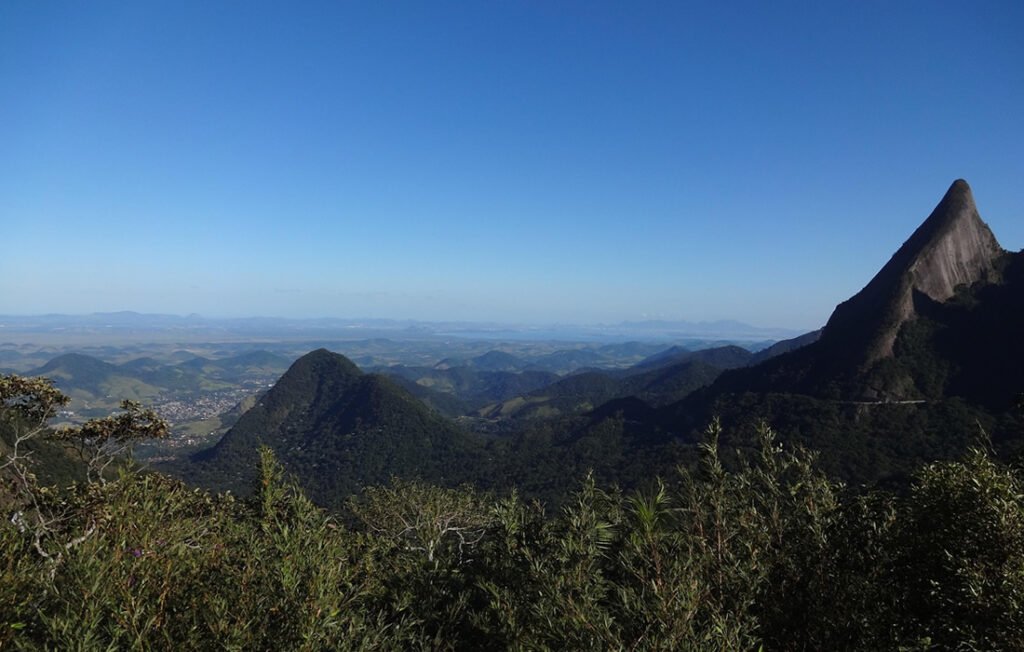
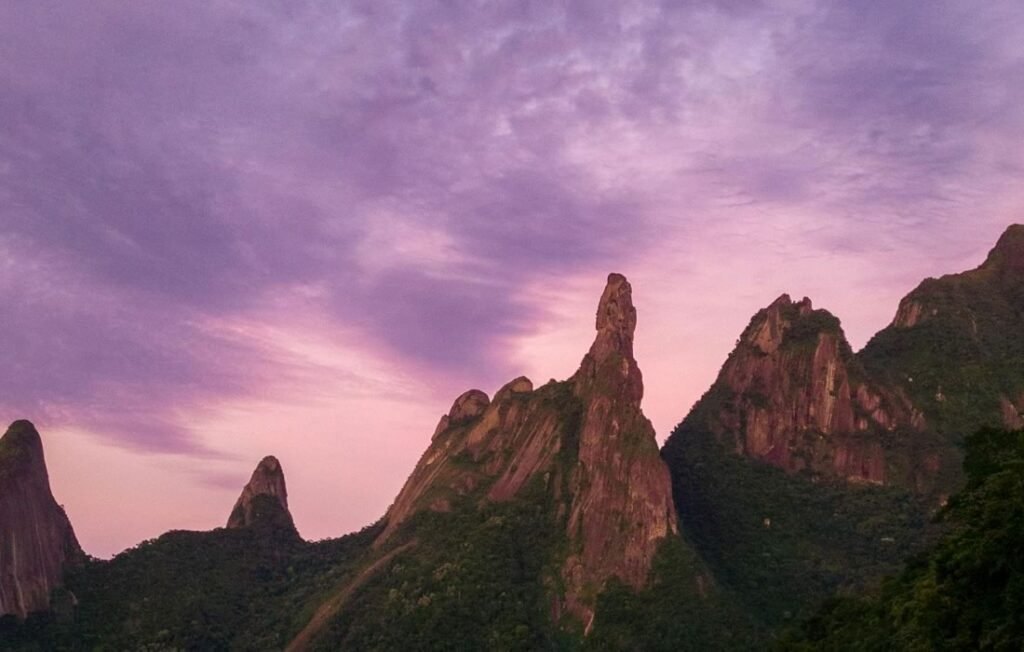
Teresópolis is a true paradise for nature lovers and outdoor sports enthusiasts, but it also offers cultural and historical attractions worth visiting. The Serra dos Órgãos National Park is undoubtedly the city’s postcard and deserves at least a full day of exploration. With over 20,000 hectares of preserved Atlantic Forest, the park is home to the famous Dedo de Deus (Finger of God) rock formation, a symbol of Rio de Janeiro state that appears in countless paintings and photographs. Park entry costs approximately R$ 30 per person (check updated prices on the official website), and it’s recommended to arrive early to make the most of your day.
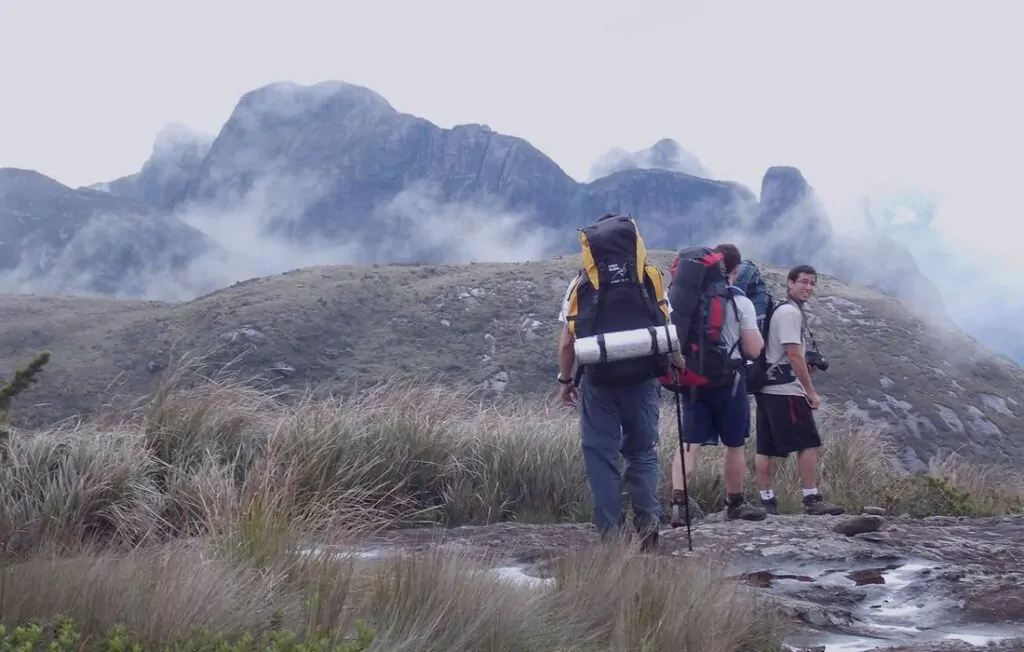
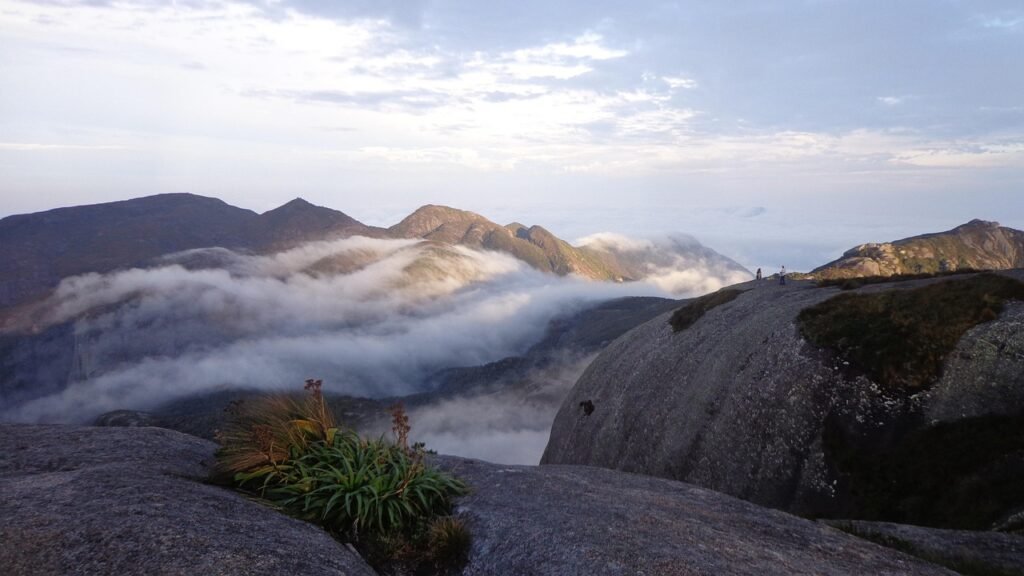
Inside the park, you’ll find several trails for all fitness levels. The Pedra do Sino trail, at 2,275 meters above sea level, is the park’s highest mountain and offers breathtaking views, but requires physical preparation and mountaineering experience. For beginners, the Barragem trail is an excellent option, with a lighter route and access to natural pools. Don’t miss the Cascata dos Amores (Lovers’ Waterfall) and the Gruta do Presidente (President’s Grotto), both with easy access and stunning scenery. Remember to bring water, sunscreen, insect repellent, and a light jacket even on warm days, as temperatures can drop quickly at higher altitudes.
For those who prefer less intense activities, the Montanhas de Teresópolis Municipal Natural Park offers more relaxed walks through nature, with various bird species for observation. The Mirante do Soberbo viewpoint provides one of the city’s most impressive views, allowing you to see the Dedo de Deus and other rock formations without needing to hike. Access is free, and the site has parking and some snack kiosks. A golden tip is to visit the viewpoint in the late afternoon to watch the sunset paint the mountains in shades of orange – a true spectacle of nature!
History and culture lovers can’t miss Teresópolis’ historic center. Praça Olímpica (Olympic Square), where the bust of Getúlio Vargas is located, is a great starting point for a walking tour of the historic mansions and the Igreja Matriz de Santa Teresa (Santa Teresa Main Church), the city’s patron saint. The Palácio Teresa Cristina (Teresa Cristina Palace), the former summer residence of Princess Teresa Cristina, now houses temporary exhibitions and tells part of the story of the city named in honor of the empress. Nearby, the Teatro Municipal (Municipal Theater) hosts shows and cultural events, especially during the Winter Festival, when the city’s cultural program becomes even richer.
Gastronomic Experiences in Teresópolis
Teresópolis’ gastronomy is a chapter in itself in the experience of visiting the city. Influenced by German, Swiss, and Italian settlers, the local cuisine stands out for its comforting dishes, perfect for the mountain climate. In the central area, you’ll find everything from sophisticated restaurants to charming bistros. Higino is a reference for those seeking authentic German flavors, with highlights including pork knuckle and traditional sauerkraut. Dona Teresa, a tribute to the princess who gave the city its name, offers a contemporary menu featuring local products, like the delicious mountain trout.
For a more rustic experience, it’s worth exploring the Vale do Bonsucesso district, where several restaurants serve colonial-style lunches featuring fresh trout raised in the region, delicious colonial coffees, and artisan breads. Many of these establishments are on working farms where you can learn about the production process of jams, cheeses, and typical mountain cured meats. Don’t miss trying the famous Teresópolis fondue, a local adaptation of the Swiss dish that has gained versions made with regionally produced cheeses.
Beer lovers have a must-stop in the city: Cervejaria Therezópolis, one of the pioneers in Brazil’s craft beer movement. The brewery offers guided tours with tastings (reservations required in advance) where you learn about the brewing process and sample the different varieties, including the award-winning Gold, perfect for the mountain’s cold days. On weekends, Feirarte, an arts and crafts fair in the Alto neighborhood, brings together local producers selling everything from honey and jams to homemade breads and artisanal liqueurs, making it a great option for taking a piece of Teresópolis home.
Accommodation: Where to Stay to Make the Most of the City
Teresópolis offers accommodation options for all tastes and budgets, from luxury spa hotels to charming, cozy inns. The Alto region, near the National Park, concentrates most of the more sophisticated hotels and inns, with privileged views of the mountains. Staying in this area is ideal for those planning hikes and nature activities, as you’ll be just minutes from the main natural attractions. Some hotels like Hotel Rosa dos Ventos and Le Canton Swiss Mountain Resort offer complete experiences with high-quality dining, leisure areas, and even guided activities.
For those who prefer to stay closer to shops and urban life, the Centro and the Várzea neighborhood are good options, with mid-range hotels and excellent value for money. In these locations, you’ll be a short walk from restaurants, stores, and urban amenities, plus easy access to public transportation. The more remote areas like Albuquerque, Vale do Bonsucesso, and Granja Comary house charming inns and vacation rentals, ideal for those seeking more tranquility and contact with nature.
During peak season periods like July and long holidays, the city gets quite busy and prices can rise considerably. So, I recommend booking at least two months in advance if you plan to visit during these times. A valuable tip is to ask about heating in the rooms if visiting in winter, as the nights can be genuinely cold and not all establishments have adequate heaters.
Local Transportation: Getting Around Teresópolis
Getting around Teresópolis can require a bit of planning, especially if you want to explore attractions further from the center. The city is relatively spread out, and some of its main natural attractions are in more remote areas. If you arrived by car, you’ll have more freedom to visit all the tourist spots, including the more distant ones like Vale do Bonsucesso or the Serra dos Órgãos National Park. Parking generally isn’t a big problem, except on very busy holidays when the city center can get congested.
For those without a car, the urban bus system serves the main neighborhoods and some tourist attractions, but with limited frequency, especially on weekends. A convenient option is taxis and ride-hailing apps that operate regularly in the city, though they can be scarcer in more remote areas or late at night. Many inns and hotels offer transfer services to the main attractions with prior scheduling, which can be a practical solution.
To explore the historic center, Praça Olímpica, and the craft fair, walking is the best option, as these attractions are relatively close to each other. For visiting the National Park, especially for longer hikes like the Pedra do Sino, there are agencies that offer specialized transportation including the return trip, which is a huge advantage for through-hikes. An important tip: some areas of the city, being mountainous, have quite steep streets, so be prepared for walks with climbs or descents in certain stretches.
Safety and Health: Important Tips for Your Peace of Mind
Teresópolis is considered a relatively safe city for tourists, especially in the most frequented areas. Even so, as with any tourist destination, it’s always good to take some basic precautions like not flashing valuables and keeping an eye on your belongings in crowded places. Tourist areas are well-policed, especially during high season when visitor numbers increase considerably.
In terms of health, the city has good hospitals like Hospital das Clínicas de Teresópolis and Hospital São José, both equipped for emergencies. For those planning hikes or nature activities, don’t forget to bring insect repellent, as insects can be abundant in some areas, especially during wetter seasons. Sunscreen is also essential, even on cloudy or cold days, as the altitude makes your skin more vulnerable to UV rays.
An important recommendation for those planning hikes in the National Park: inquire about the need for guides on certain routes. Trails like Pedra do Sino can be dangerous for those unfamiliar with the path, especially in adverse weather conditions. The park itself can provide information about accredited companies offering this service. If you have respiratory issues, bring your medication, as although the mountain’s fresh air is beneficial for many, the altitude and temperature variations can trigger attacks in sensitive individuals.
Accessibility: Information for Visitors with Reduced Mobility
Teresópolis, like many Brazilian mountain towns, presents challenges for people with reduced mobility due to its rugged topography and infrastructure still developing in this regard. However, in recent years, there have been significant advances in making the main attractions more accessible. The city center already has some access ramps and adapted sidewalks, mainly in the more touristy areas like Praça Olímpica and the craft fair.
At the Serra dos Órgãos National Park, the Teresópolis headquarters has some short trails with partial accessibility, like the Barragem Trail, which has flat sections and some areas with walkways. The park’s Visitor Center is also wheelchair accessible. The Mirante do Soberbo viewpoint has facilitated access near the parking lot, allowing people with mobility difficulties to enjoy the spectacular view without needing to travel far.
Among hotels and restaurants, newer establishments generally offer better infrastructure for people with special needs, with adapted rooms, accessible bathrooms, and elevators. If this applies to you, I recommend contacting the establishment directly before making your reservation to confirm specific accessibility conditions. Le Canton and Sesc Teresópolis are examples of places that have invested in inclusive infrastructure. Some downtown restaurants have also adapted to welcome wheelchair users, but it’s still advisable to check in advance.
Valuable Tips to Avoid Hassles in Teresópolis
Traveling to Teresópolis can be an incredible experience, but like any destination, there are some challenges you might face if you’re not prepared. One of the main “hassles” many visitors encounter is the rapid change in mountain weather. It’s not uncommon for the day to start sunny and then suddenly a heavy rain or dense fog appears, especially in the higher areas. So, even on seemingly perfect days, always bring a waterproof jacket and be prepared for sudden weather changes.

Another point of attention is traffic on the BR-116 on weekends and long holidays. The road connecting Rio to Teresópolis can experience heavy congestion, especially on Friday afternoons and Sunday evenings. If possible, plan your trip for alternative times like early morning or midweek. Additionally, fog on the road can drastically reduce visibility in certain stretches, especially at night and in the early morning hours, requiring extra attention from drivers.
For those planning hikes, a common mistake is underestimating the difficulty of the routes or not properly informing themselves about weather conditions. Some trails can become dangerous or even inaccessible after heavy rains. Always check weather forecasts and consult park staff or inns about current trail conditions before venturing out. And speaking of the park, don’t leave buying tickets until the last minute on busy days, as there’s a daily visitor limit and you could be left out. The official ICMBio website allows advance ticket purchases, guaranteeing your entry.
Finally, prices in Teresópolis can surprise some visitors, especially in more touristy restaurants and hotels during high season. To save money, consider staying a bit further from the National Park, eating at restaurants frequented by locals (usually more affordable), and visiting the farmers’ market to buy fresh produce at fair prices.
History and Curiosities: Getting to Know Teresópolis Better
Teresópolis has a fascinating history dating back to the Brazilian imperial period. The city, whose name honors Empress Teresa Cristina, wife of Dom Pedro II, began to develop in the 19th century when the mountainous region of Rio state became a refuge for the royal family to escape the heat of Rio de Janeiro. The mild, European-like climate attracted not only the Brazilian nobility but also German, Swiss, and Italian immigrants who brought traditions that still influence local culture today.
An interesting curiosity is that Teresópolis was the first Brazilian city to have an Olympic village. Built in the 1940s, Granja Comary is now known as the training center for the Brazilian national football team, where our players prepare for major competitions. The location was chosen precisely for its altitude, which allows for more efficient physical training and better acclimatization for games in high-altitude regions.
The Dedo de Deus rock formation, the city’s symbol, also holds interesting stories. Its first official climb was made in 1912 by five Brazilian climbers without modern equipment, a remarkable feat for the time. Legend has it that the name came about because, seen from certain angles, the rock looks like a finger pointing to the sky. In local folklore, there are various legends about this formation, some saying it’s the finger of a giant that was petrified.
Another striking tradition of Teresópolis is Feirarte, which has been running for over 30 years and brings together local artisans and producers. Initially small, it’s now one of the city’s main tourist attractions, where you can find everything from typical gastronomic products to works of art by artists from the mountain region. The fair takes place on Saturdays, Sundays, and holidays at Praça Olímpica and is an excellent opportunity to learn a bit more about local culture.
How Long to Stay in Teresópolis: Planning Your Visit
Deciding how much time to dedicate to Teresópolis depends a lot on your travel style and interests. For a basic visit, covering just the main tourist spots like the National Park (without doing the longer hikes), the historic center, and sampling some of the local cuisine, a long weekend of three days can be enough. This time allows for an introductory experience, but without diving deep into everything the city offers.
For those wanting to better explore the National Park trails, try more dining options, and visit more distant districts like Vale do Bonsucesso and Albuquerque, the ideal would be to set aside at least five days. This period allows you to alternate days of more intense activities like hiking with more relaxing days to enjoy the city without rushing. Remember that some trails like Pedra do Sino can take a full day, so plan your itinerary considering the time needed for each activity.
If you’re an ecotourism and mountaineering enthusiast, you could easily spend a week or more in Teresópolis without exhausting the possibilities. Besides the traditional trails, there are several through-hikes connecting Teresópolis to neighboring cities like Petrópolis and Nova Friburgo, offering immersive nature experiences. The famous Petrópolis-Teresópolis traverse, for example, is considered one of the most beautiful in Brazil and takes about three days to complete.
A suggestion for a balanced itinerary would be: day 1 to explore the historic center and the craft fair; day 2 dedicated to the National Park for lighter trails like Barragem and visits to viewpoints; day 3 for a more challenging hike like Pedra do Sino (for the more adventurous) or a trip to Vale do Bonsucesso (for those preferring calmer activities); day 4 to explore the local gastronomy, visit Cervejaria Therezópolis, and shop for typical products to take home.
Why Teresópolis Deserves Your Visit
Teresópolis is much more than just a tourist destination; it’s a complete experience combining lush nature, rich history, quality gastronomy, and that welcoming atmosphere typical of mountain towns. After exploring its challenging trails, contemplating the majestic Dedo de Deus, savoring a delicious fondue on a cold night, or simply breathing the fresh mountain air, you’ll understand why so many travelers fall in love with this piece of the Serra Fluminense.
Whether you’re an outdoor adventure lover, a food enthusiast, or someone seeking simply a peaceful refuge from the hustle and bustle of big cities, Teresópolis has something special to offer. Its proximity to Rio de Janeiro makes the city a perfect destination for a day trip or a longer stay, depending on your available time and interests. The city perfectly balances the preservation of its mountain traditions with an increasingly developed tourist infrastructure.
Before packing your bags, remember to check the weather forecast (especially if you plan to hike), book your accommodation in advance (especially during high season), and set aside appropriate clothing for temperature variations. And most importantly: come with an open mind to be surprised by the natural and cultural beauties that make Teresópolis one of Brazil’s most charming destinations. I’m sure that, like me, you’ll return home with the feeling that you need to come back soon to discover even more about this city that is a true treasure of the Serra Fluminense.
If the mountain region has won you over, you should also check out Petrópolis, the “Imperial City” — another historic destination near Rio that pairs perfectly with a mountain region itinerary.
If you’re exploring the mountain region of Rio de Janeiro state, Petrópolis is also worth a day trip — the Imperial Museum, Santos Dumont’s House, and the Crystal Palace make up a compact historical itinerary less than two hours from Rio.