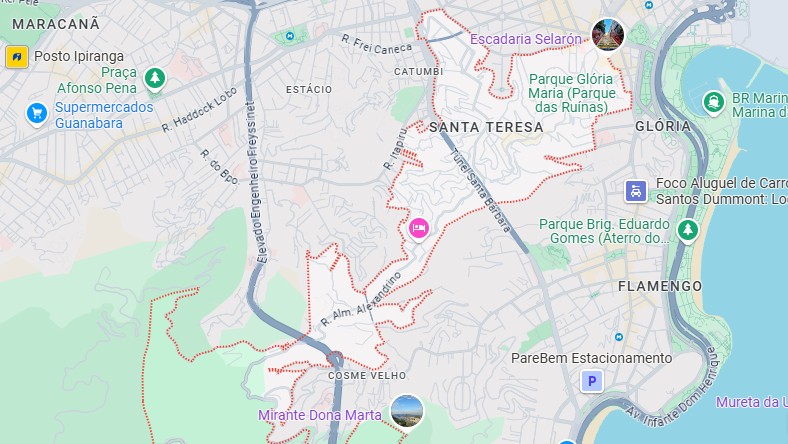
Santa Teresa isn’t just a neighborhood; it’s a sensory experience, almost like a movie filled with nostalgic scenes and vibrant characters. Its narrow streets, cobblestone sidewalks, and tree-lined hillsides invite you to get lost, quite literally, in one of the most charming and bohemian spots in Rio de Janeiro. In this article, we’ll uncover what makes Santa Teresa so special, what to do there, how to get there, and why it’s a must-visit for anyone looking to explore the cultural essence of the Marvelous City.
Why is Santa Teresa so famous and irresistible?
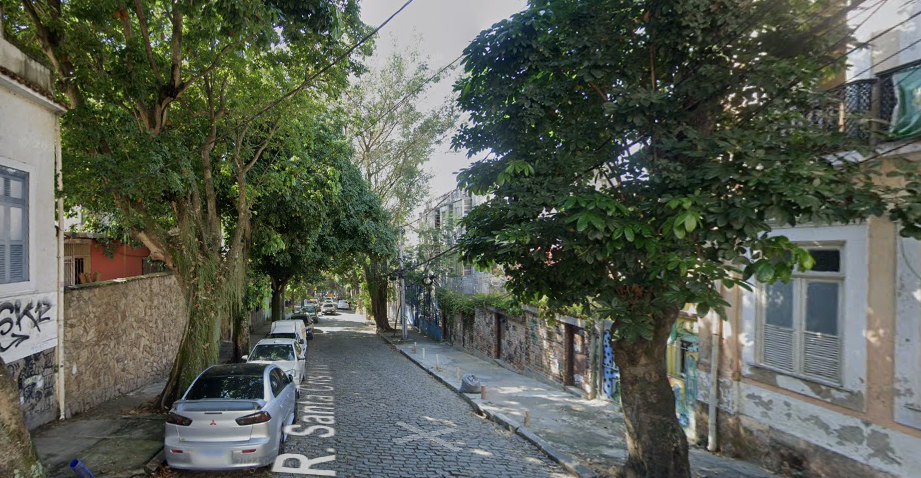
Santa Teresa is known as the neighborhood of artists, bohemians, and those who appreciate a life with a vintage touch. Perched atop a hill, the neighborhood offers incredible views of Rio de Janeiro and an atmosphere that blends historic architecture with a cool, laid-back vibe. Its old mansions, many converted into studios, cafés, or cultural spaces, are true invitations for a leisurely stroll.
Dica: Aproveite também para fazer estes passeios no Rio de Janeiro
Cristo Redentor de trem e tour pelo Rio de janeiro. Duração: 4 horas
Passeio grátis pelo centro histórico do Rio e Lapa. Duração: 3 horas
Free tour pelo bairro de Santa Teresa. Duração: 2h 30m
Amanhecer no mirante de Dona Marta + Cristo Redentor Duração: 4 horas
Veja todos os passeios e tranfers no Rio de Janeiro
For history buffs, Santa Teresa is a goldmine. During the 19th century, it was a stronghold of Rio’s elite. Today, it retains the charm of that era with its preserved architecture, but has gained a touch of modernity thanks to the artists who transformed the area into an open-air gallery. The vibe is so authentic that you’ll feel like you’re in a Rio de Janeiro from another time, but with modern twists.
How to get to Santa Teresa?
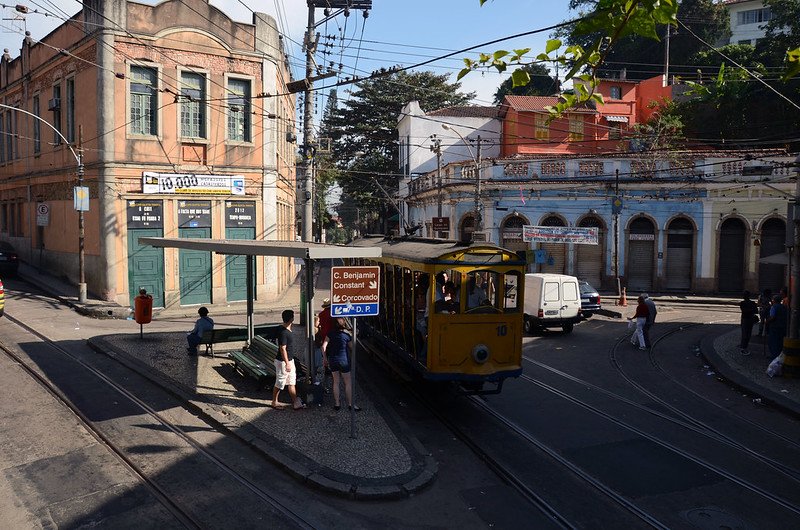
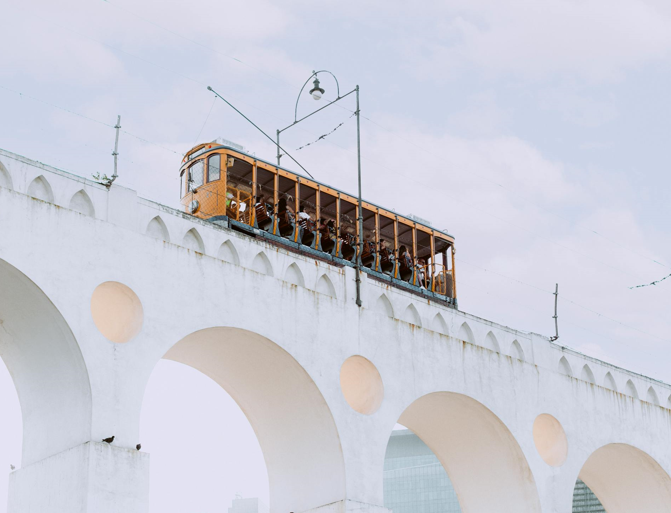
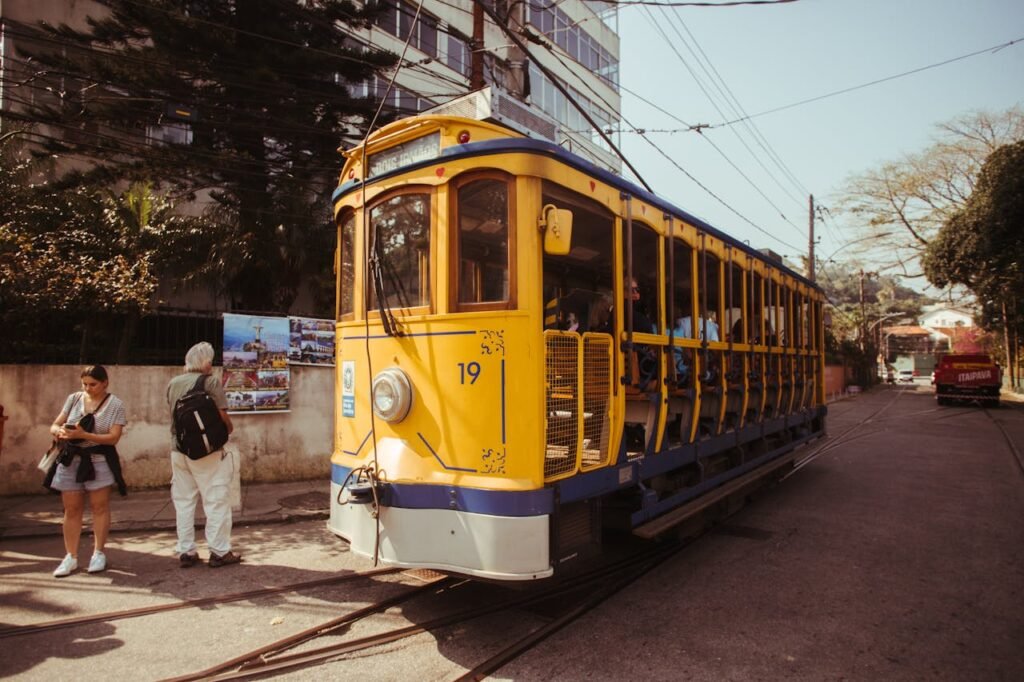
Getting to Santa Teresa is already part of the adventure. One of the most famous and beloved ways for tourists is the traditional Santa Teresa Tram, a charming electric ride that travels along the neighborhood’s tracks. The route starts at the Largo da Carioca station in downtown Rio and already offers incredible views as it climbs the hillsides. Beyond its historical significance, the tram is a unique experience, connecting you directly to the soul of the neighborhood.
If you prefer more convenience, you can go by taxi, ride-sharing apps, or even your own car. Just keep in mind that the streets are narrow and often steep, so parking can be a challenge. Another tip: the neighborhood is extremely pleasant to explore on foot, so the ideal is to take transport there and then walk around.
Main attractions and landmarks in Santa Teresa
Santa Teresa is a place that surprises you at every corner. One of the most iconic spots is the Parque das Ruínas, a former mansion that now serves as a cultural center and offers stunning views of the city. There, you can enjoy exhibitions, events, and a lookout point that’s perfect for photos.
Another must-see is the Museu Chácara do Céu, which combines art and history. The house, once the residence of a collector, displays works by artists like Di Cavalcanti and Picasso, in addition to offering an incredible view of Sugarloaf Mountain. It’s the kind of place that balances culture and contemplation.
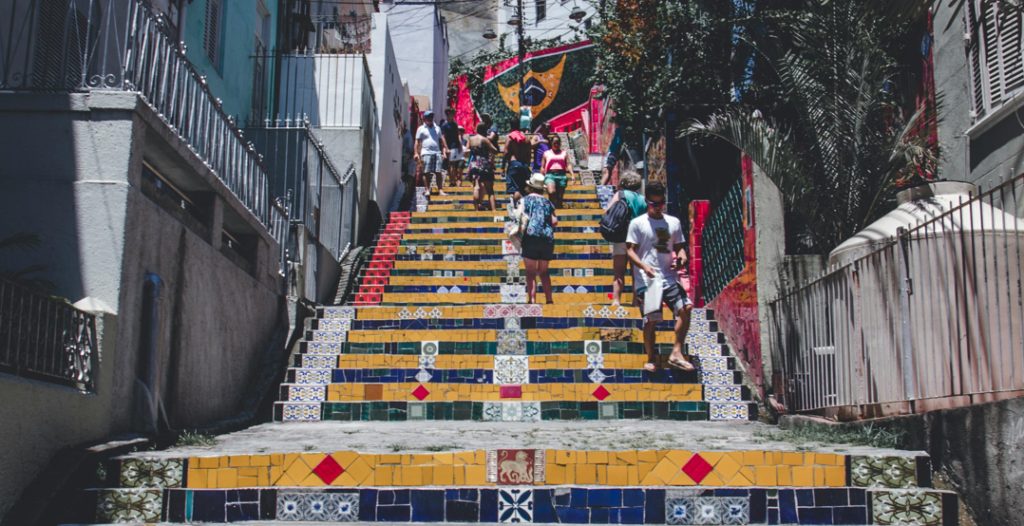
Another highlight is the Escadaria Selarón, a masterpiece created by Chilean artist Jorge Selarón. With its colorful tiles sourced from different parts of the world, the staircase is an invitation to photography and contemplation. It’s impossible not to get swept up in the vibrant energy that emanates from this place.
And of course, anyone visiting Santa Teresa can’t miss the Largo dos Guimarães, the bohemian heart of the neighborhood. This area is packed with bars, restaurants, and craft shops, making it the perfect spot to relax, sample the local cuisine, and enjoy the live music that often springs up spontaneously.
Is Santa Teresa safe to visit?
One of the most frequent questions from tourists is about safety in Santa Teresa. As in any big city, it’s important to stay alert and avoid very deserted streets, especially at night. During the day, the neighborhood is quite busy, with many tourists and locals moving around, which brings a greater sense of security.
Opting for guided tours or organized excursions can be an excellent idea, especially for those who want to explore the neighborhood more peacefully and make the most of the stories and curiosities that only a local guide can offer. Another tip is to plan your visit on the weekend, when the area is livelier and full of cultural attractions.
Gastronomy: flavors that reflect the soul of the neighborhood
Santa Teresa is a paradise for anyone who loves good food and memorable dining experiences. The neighborhood brings together an incredible selection of restaurants and bars, ranging from traditional botecos (local pubs) to charming bistros with sophisticated cuisine. A standout is the famous Bar do Mineiro, known for its delicious feijoada and laid-back vibe. It’s the perfect spot to soak up the carioca spirit while savoring classic Brazilian dishes.
If you’re after something more intimate, Aprazível is a fantastic choice. This restaurant serves contemporary Brazilian cuisine with fresh ingredients, all in a setting that blends elegance with jaw-dropping views of Rio. It’s ideal for a romantic dinner or for capping off your day in style.
Art and culture on every corner
The artistic soul of Santa Teresa is one of the neighborhood’s biggest draws. Its streets are packed with murals, sculptures, and urban interventions that tell stories and reflect the creativity of the locals. Throughout the year, events like Arte de Portas Abertas bring together local and international artists, turning the neighborhood into one giant open-air gallery.
Beyond that, you’ll find countless art studios and craft shops selling one-of-a-kind pieces—perfect for taking a little piece of Santa Teresa home with you. Many of these spaces also offer workshops where you can dive deeper into the neighborhood’s artistic techniques and traditions.
Is Santa Teresa worth visiting?
If you’re looking for a Rio de Janeiro that goes beyond the beaches and the classic postcard sights, Santa Teresa is the right call. The neighborhood is an invitation to slow down, uncover stories, and connect with the city’s more human side. Whether you’re an art lover, a foodie chasing new flavors, or just someone who loves exploring authentic places—Santa Teresa has something for you.
Plan your visit, pick the spots that match your style, and get ready to be surprised. Santa Teresa isn’t just a destination; it’s an experience that stays with you long after you leave.
Frequently Asked Questions about Santa Teresa
Is Santa Teresa RJ dangerous?
Santa Teresa is a neighborhood that blends tranquility with a bohemian energy, but as with any big city, it’s important to stay aware. Tourist areas like Parque das Ruínas and Museu da Chácara do Céu are safe during the day. At night, it’s wise to be cautious and avoid deserted streets. Keep an eye on your belongings and stick to reliable transportation.
Santa Teresa, Rio de Janeiro: what to do?
Santa Teresa has plenty of attractions to explore. You can visit Parque das Ruínas, Escadaria Selarón, and hop on the famous Santa Teresa tram. The neighborhood is also known for its art studios and restaurants serving up delicious local cuisine. A stroll through the colorful hillside streets and a coffee at one of the many bistros are must-do experiences.
Is Santa Teresa Rio de Janeiro in the south, north, or central zone?
Santa Teresa sits in the central region of Rio de Janeiro, close to neighborhoods like Lapa, Glória, and Catete. Even though it’s in the heart of the city, the neighborhood offers a peaceful atmosphere with panoramic views and plenty of greenery.
Santa Teresa, Rio de Janeiro: is rent expensive?
Rent in Santa Teresa varies depending on location and property type. Apartments and houses near tourist areas with panoramic views tend to cost more. However, there are still affordable options, especially if you’re open to something simpler or farther from the trendiest spots.
Where is Santa Teresa RJ located near?
Santa Teresa is located close to Rio’s downtown and Lapa, making it easily accessible from those areas. It’s a short hop from other historic neighborhoods like Glória and Catete, and not far from the South Zone, including Botafogo and Flamengo.
What is the favela in Santa Teresa?
Santa Teresa has nearby communities like Morro dos Prazeres and Morro da Coroa. These areas have rich histories and are significant parts of local life, but it’s important to check safety information before visiting them.
What to visit in Santa Teresa, Rio?
Don’t miss Parque das Ruínas, Museu da Chácara do Céu, and Largo dos Guimarães, the neighborhood’s central meeting point. The tram is a must-ride, as are the local bars and restaurants. Walks through the tree-lined streets with views over Guanabara Bay are also highlights.
How much does the Santa Teresa tram cost?
The Santa Teresa tram fare is around R$ 20 for tourists, with discounts for Rio residents and free rides for certain groups like seniors. Check the official website for updated info before you go.
Which favela is near Christ the Redeemer?
The favela closest to Christ the Redeemer is Rocinha, located in Rio’s South Zone. While it’s not directly connected to Santa Teresa, many visitors check out both areas during their time in the city.