Have you ever imagined yourself in the middle of the biggest open-air party on the planet? That moment when your heart races to the sound of the drums, your legs won’t stop moving, and your eyes are dazzled by a parade of colors and costumes that seem straight out of a dream? Welcome to the Marquês de Sapucaí Sambadrome, the sacred temple of samba and the beating heart of Rio de Janeiro’s Carnival!
When we talk about Rio’s Carnival, it’s impossible not to think of the Marquês de Sapucaí. This monument to samba isn’t just a runway for parades; it’s a true Brazilian cultural symbol that transcends borders and enchants tourists from every corner of the world. If you’re planning your trip to Rio and dream of living this unforgettable experience, get ready to discover everything about this magical place where samba echoes all year round.
Dica: Aproveite também para fazer estes passeios no Rio de Janeiro
Cristo Redentor de trem e tour pelo Rio de janeiro. Duração: 4 horas
Passeio grátis pelo centro histórico do Rio e Lapa. Duração: 3 horas
Free tour pelo bairro de Santa Teresa. Duração: 2h 30m
Amanhecer no mirante de Dona Marta + Cristo Redentor Duração: 4 horas
Veja todos os passeios e tranfers no Rio de Janeiro
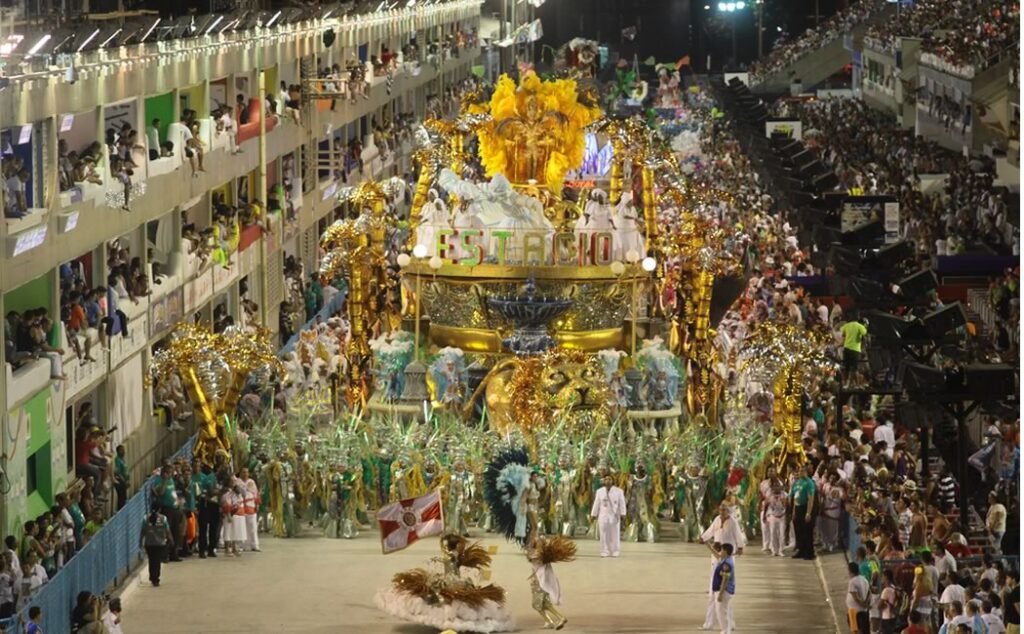
The Temple of Samba: History and Curiosities of the Sambadrome
Inaugurated in 1984, the Sambadrome was designed by the renowned architect Oscar Niemeyer, the same genius behind Brasília. Its official name is Passarela Professor Darcy Ribeiro, a tribute to the Brazilian educator and anthropologist, but everyone affectionately knows it as the Marquês de Sapucaí Sambadrome, a reference to the avenue where it’s located.
Did you know that before this monument to samba was built, the parades took place in temporary structures set up on different avenues across Rio? Imagine the hassle that was! The creation of the Sambadrome provided a permanent and suitable space for samba schools to showcase all their art and grandeur. With a capacity for approximately 72,500 spectators, the venue became not just the stage for Carnival, but also a cultural center that hosts various events throughout the year.
Key Information
- History and Structure: Inaugurated in 1984 and designed by Oscar Niemeyer, the Sambadrome is the home of Rio’s Carnival and one of Brazil’s greatest cultural icons. With a capacity for around 72,000 spectators, its grandstands stretch along a 700-meter track.
- Carnival and Other Events: The main event is the samba school parade, but the Sambadrome also hosts concerts, sporting events, and even the ENEM national exam.
- Tips for Tourists: For those wanting to watch the Carnival, it’s essential to buy tickets in advance. There are affordable sectors and luxury boxes, plus the option of free technical rehearsals before the main event.

Recent News
- Renovations for Carnival: The city invested in modernizing the grandstands and improving the lighting for the 2025 festivities.
- Sustainability: There are projects to make the event more eco-friendly, with waste reduction and recycling incentives.
- Carnival 2025: The samba schools have already defined their themes, promising one of the most spectacular Carnivals in recent years.
Samba School Parades: The Spectacle You Need to Experience
When the lights come on down the avenue and the first bass drum starts setting the beat, get ready for goosebumps to run down your entire body. The official parades of the Grupo Especial samba schools, the elite of Rio’s Carnival, usually take place on Carnival Sunday and Monday, while the Série Ouro (formerly the Access Group) parades on Friday and Saturday.
Each school gets between 60 and 75 minutes to tell its story on the avenue, showcasing its grand floats, dazzling costumes, and a contingent of 3,000 to 5,000 performers. It’s a true open-air theater where music, dance, scenography, and performance merge into a unique spectacle. And don’t think it all ends on Ash Wednesday! On the Saturday following Carnival, the champion schools return for the Champions’ Parade, an unmissable opportunity for anyone who missed the main parades.
How to Buy Parade Tickets and Avoid Scams
One of the most common questions from tourists is: “How do I get tickets for the parades?” The official sales process usually begins months before Carnival, around July or August, on the LIESA (Independent League of Samba Schools of Rio) website or at authorized physical locations.
Ticket prices vary greatly depending on the sector you choose. The grandstands are more affordable, with prices starting around R$ 160 (for further sections), while special chairs and luxury boxes can exceed R$ 1,000 per night. Beware of unofficial sellers and tempting offers online! To ensure your safety, always buy through official channels or accredited travel agencies.
A golden tip for those on a budget: the schools’ technical rehearsals, which happen in the weeks leading up to Carnival, are free and open to the public! It’s an excellent opportunity to get a taste of the Sapucaí energy without spending a dime.
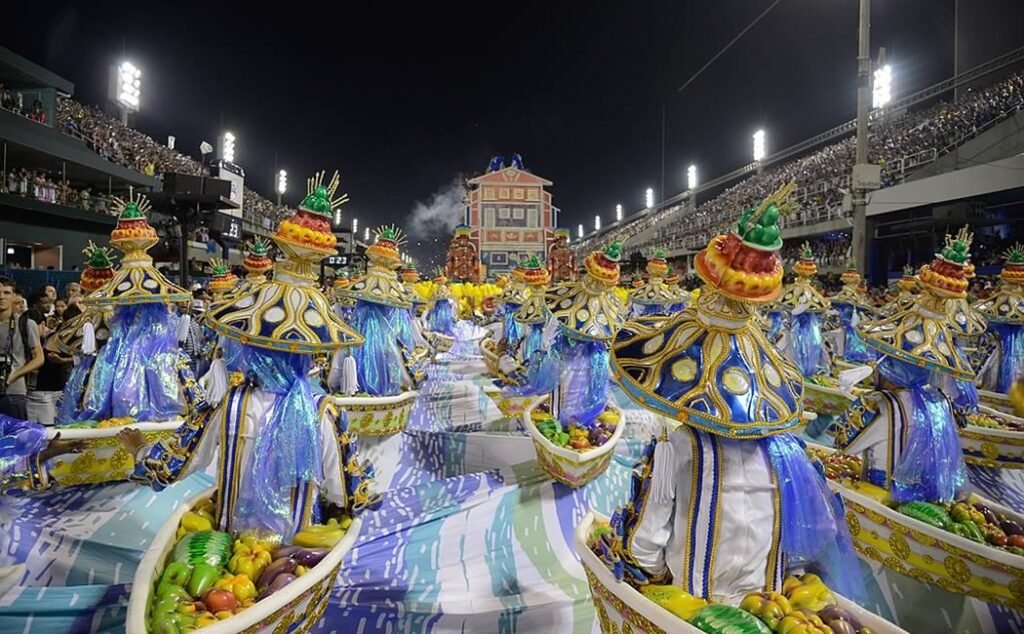
Analogies and Fun Facts
- “The temple of samba”: Just as Maracanã is the sacred stadium of football, the Sambadrome is the great cathedral of samba.
- “A cinematic parade”: The grandeur of Carnival at the Sambadrome can be compared to a Hollywood blockbuster.
- “The avenue of culture”: More than a party space, the Sambadrome is a stage for cultural expressions that represent Bra
Exploring the Sapucaí Sectors: Where to Sit for the Best Experience
Decided you’re going to live this unforgettable party? Now comes the question: which is the best sector to watch the parades? The answer depends a lot on your profile and budget. The grandstands offer a panoramic view and are where the human warmth is most intense – you’ll be dancing samba, singing, and making friends without even realizing it!
If you prefer more comfort, the numbered seats in Sector 9 (Tourist Sector) are a great option, with reserved spots and a prime view. For those who won’t settle for anything less than luxury, the camarotes (private boxes) offer all-inclusive service, with food, drinks, and sometimes even transportation included. And for true samba enthusiasts, the frisas (front-row seats near the parade path) provide an almost immersive experience, where you can feel the ground shake with the drum line and see every tiny detail of the costumes.
Here’s a little-known fact: Sector 13, where the official judges sit, is considered the “death sector” by samba schools. That’s where performances need to be flawless, because any slip-up can cost precious tenths of a point!

Convenience and Comfort: How to Get to and Around the Sambadrome
Located in Rio’s downtown, between the Santo Cristo and Cidade Nova neighborhoods, the Sambadrome is easily accessible by public transportation. Central Station is the closest metro stop, about a 10-minute walk away. During Carnival, the city runs special bus lines that stop near the main entrance.
If you opt for a taxi or ride-hailing apps, keep an eye out for the designated drop-off points, as many surrounding streets are blocked off during the parades. A valuable tip: arrange a meeting point with your driver in advance for the way back, since finding transportation after the parades can be challenging.
Inside the Sambadrome, be prepared to walk! The structure is about 700 meters long, and depending on your sector, you might have to cover a good distance. Wear comfortable shoes, even if that means carrying your heels in your bag for the photos!
What to Pack: Essential Items to Survive the Samba Marathon
A night at the Sapucaí is a true marathon that can last over 10 hours, from early evening until the break of dawn the next day. So, being prepared makes all the difference. Start with the basics: a photo ID (required for entry), some cash for any unexpected needs, and your ticket printed out or on your phone.
For comfort, don’t forget to bring a small cushion or a sarong to sit on (the concrete bleachers get uncomfortable after a few hours), a fan or hand fan to beat the heat, and a light rain poncho (summer storms are common in Rio). A reusable water bottle is also essential, as you can refill it at the water fountains scattered around the venue.
And speaking of things you should NOT bring: umbrellas are banned for safety reasons, as are glass bottles, sharp objects, and drones. Professional cameras with detachable lenses can also be turned away, depending on the sector – check the specific rules for your ticket.
Food on the Avenue: Where and What to Eat During the Parades
Between one parade and the next, your stomach will definitely be asking for attention. Inside the Sambadrome, you’ll find plenty of quick snack options like sandwiches, pastéis, popcorn, and hot dogs. The prices, as expected, are a bit steep – be prepared to pay more than usual.
For those in the bleacher sectors, you’re allowed to bring some light, non-perishable foods, like granola bars, fruit, and well-wrapped sandwiches. For the more exclusive sectors like the camarotes, there’s usually a buffet service included in the ticket price, with appetizers, dinner, and drinks on tap.
A golden tip for budget-conscious travelers: have a full meal before heading to the Sambadrome. In the Praça Onze area, near the entrance, there are several popular restaurants serving delicious Brazilian cuisine at more affordable prices.
The Sambadrome Beyond Carnival: Events and Visits All Year Round
Think the Sambadrome only comes alive during Carnival? Think again! Throughout the rest of the year, this multifunctional space hosts a variety of events, from international concerts and graduation ceremonies to sports competitions and even Rio’s famous New Year’s Eve celebration.
For lovers of Carnival culture, a must-see visit is to the Museu do Samba (Samba Museum), located right in the Sambadrome. With a rich collection of costumes, instruments, and historical documents, the museum offers a fascinating immersion into the world of samba schools. Guided tours run Tuesday through Saturday, from 10 am to 5 pm, with affordable ticket prices.

Another interesting experience is watching samba school rehearsals, which typically start in August and intensify as Carnival approaches. Many schools open their technical rehearsals at the Sapucaí to the public, offering a sneak peek of what’s to come in the grand spectacle.
Golden Tips: How to Make the Most of Your Sapucaí Experience
Now for the most important part: how to ensure your night at the Sapucaí is unforgettable for all the right reasons. First, arrive early! Gates typically open 3 hours before the parades begin, and getting there ahead of time means beating the lines and snagging a better spot in your sector.
Do a little homework on the schools parading that night. Knowing the themes and some of the samba-enredo songs really enriches the experience. Apps like “Liga RJ” offer up-to-date info on the parades, schedules, and even song lyrics so you can sing along.
Dress comfortably, but get into the festive spirit! Light, colorful clothes, hats, and fun accessories are all part of the experience. Don’t worry about looking over the top – during Carnival, going over the top is practically mandatory!
Finally, allow yourself to live each moment to the fullest. Dance, sing, applaud, and let yourself be swept up by the vibrant energy that only samba can provide. As the locals say, “at the Sapucaí, if you don’t get emotional, you don’t have a heart!”
Strategic Stays: Where to Book for Easy Sambadrome Access
To make the most of your Sapucaí experience without worrying about long commutes late at night, choosing strategic accommodation can make all the difference. The neighborhoods of Lapa, Santa Teresa, and Centro are excellent choices, as they’re just minutes from the Sambadrome and offer everything from budget hostels to boutique hotels.
If your budget allows, consider hotels in Cinelândia and its surroundings, which, besides being close to the Sapucaí, also offer easy access to other Rio tourist attractions. During Carnival, many hotels offer special packages that include transfers to the Sambadrome – a convenience worth the investment, especially for the trip back after the parades.
Another interesting alternative is vacation rentals in buildings near the Sambadrome. Home-sharing platforms list several options that can accommodate groups and offer more comfort than a traditional hotel room, often at more accessible prices.
The most important thing is to book well in advance – we’re talking at least 6 months ahead. During Carnival, Rio’s hotel occupancy can reach 98%, and prices skyrocket. The earlier you secure your stay, the better your options and rates will be.
Why the Sapucaí Experience Is Worth Every Penny
When the lights go out, the last float leaves the avenue, and the sun begins to rise over the Rio horizon, you’ll understand why the Sambadrome is considered a sacred temple of Brazilian culture. More than just a spectacle, the parades at Marquês de Sapucaí offer a transformative experience that blends art, history, music, and the contagious joy of the Brazilian people.
Yes, planning a trip to Rio’s Carnival requires preparation and investment, but few events in the world offer such cultural richness and positive energy concentrated in a single place. As the sambistas say, “those who haven’t experienced Sapucaí don’t know the true soul of Brazil.”
So, what are you waiting for? Start planning your trip, book your tickets in advance, and get ready to live days of pure magic in the Marvelous City. The Marquês de Sapucaí Sambadrome awaits you with open arms, ready to transform your life with the powerful magic of samba!