Rio de Janeiro, known as the Marvelous City, is a destination that captivates visitors from around the world with its breathtaking natural beauty, vibrant culture, and iconic landmarks. If you’re planning a three-day trip to this tropical metropolis, get ready for an incredible experience that combines stunning landscapes, delicious cuisine, and unforgettable moments. In this complete guide, we’ll explore the perfect itinerary to make the most of Rio in just 72 hours, starting with the majestic Christ the Redeemer.
Day 1: Christ the Redeemer and the Historic Center

There’s no better way to start your Rio adventure than by visiting Christ the Redeemer, one of the New Seven Wonders of the World. We recommend arriving early to beat the lines and enjoy the panoramic view of the city with fewer crowds. The Corcovado train is the most scenic option for ascending the hill, offering a charming journey through the Tijuca Forest.
Dica: Aproveite também para fazer estes passeios no Rio de Janeiro
Cristo Redentor de trem e tour pelo Rio de janeiro. Duração: 4 horas
Passeio grátis pelo centro histórico do Rio e Lapa. Duração: 3 horas
Free tour pelo bairro de Santa Teresa. Duração: 2h 30m
Amanhecer no mirante de Dona Marta + Cristo Redentor Duração: 4 horas
Veja todos os passeios e tranfers no Rio de Janeiro
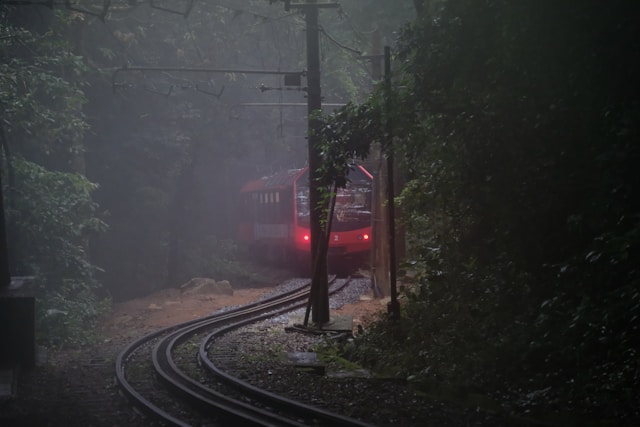
When you reach the top, prepare to be amazed by the imposing 38-meter-tall statue and the 360-degree view of Rio. Don’t forget to snap that classic photo with your arms wide open, mimicking Christ’s pose!
Afternoon: Diving into the History of Rio’s Center
After descending from Corcovado, head to Rio’s Historic Center. Start your tour at Praça XV, a place that breathes history. From there, walk to the Paço Imperial, the former residence of the Portuguese royal family, and then visit the Candelária Church, an impressive example of baroque architecture.
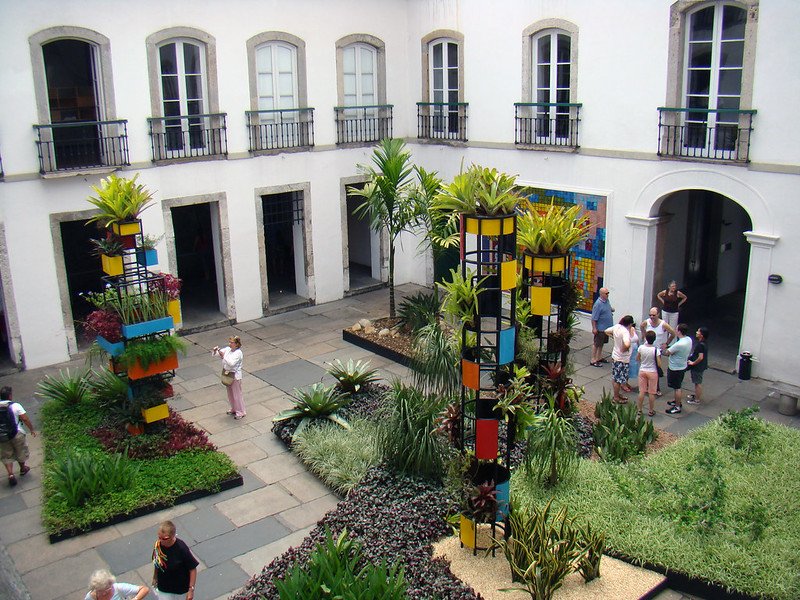
Be sure to check out the famous Santa Teresa Tram, a charming mode of transport that connects the Center to the bohemian neighborhood of Santa Teresa. A ride on this historic tram is like a trip back in time!
Night: The Flavors of Lapa & a Special Dinner
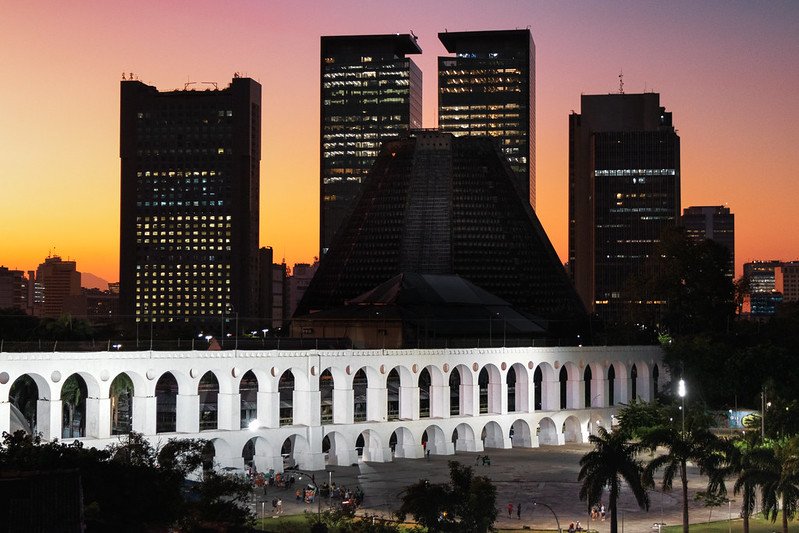
To end the first day on a high note, explore the neighborhood of Lapa, known for its lively nightlife and the Arcos da Lapa, an 18th-century aqueduct that has become a symbol of the area. For dinner, we recommend the Nova Capela restaurant, a traditional feijoada house serving classic Rio dishes since 1923. Try the complete feijoada or the picadinho à carioca for an authentic culinary experience.
Day 2: Time to Hit the Beaches and Sugarloaf Mountain
No visit to Rio is complete without a beach day. Start your morning in Copacabana, strolling along the famous black-and-white wave-patterned boardwalk. Grab a refreshing coconut water and watch the locals play footvolley and beach volleyball.

Next, walk over to Ipanema, immortalized in the song “The Girl from Ipanema“. Here, you can relax on the sand, take a dip in the blue waters of the Atlantic, or simply soak in the natural beauty, with the Dois Irmãos peak in the background.
Afternoon: Panoramic Views from Sugarloaf Mountain
After lunch at one of the beachside kiosks, head to Sugarloaf Mountain, another unmissable Rio postcard spot. The cable car ride to the top offers an exciting experience and spectacular views of Guanabara Bay.

At the top of Sugarloaf Mountain, you’ll have a different perspective of the city, including Christ the Redeemer in the distance. Stay until sunset to witness one of the most beautiful spectacles Rio has to offer: the sky painted in vibrant colors as the city begins to light up.
Night: Contemporary Flavors in Botafogo
For dinner, explore Botafogo’s contemporary dining scene. The neighborhood has become a hub for innovative restaurants in recent years. We recommend Irajá Gastrô, by chef Pedro de Artagão, which offers a creative reimagining of Brazilian cuisine. Try the feijoada croquettes or the duck rice with root vegetables for a memorable culinary experience.
Day 3: Rio de Janeiro is Nature and Culture
Morning: Botanical Garden and Parque Lage
Start your last day in Rio with a visit to the Botanical Garden, an oasis of tranquility in the heart of the city. Founded in 1808, the garden is home to over 6,500 plant species, including an impressive avenue of imperial palm trees. Be sure to check out the Orchidarium and the Victoria Amazonica House.
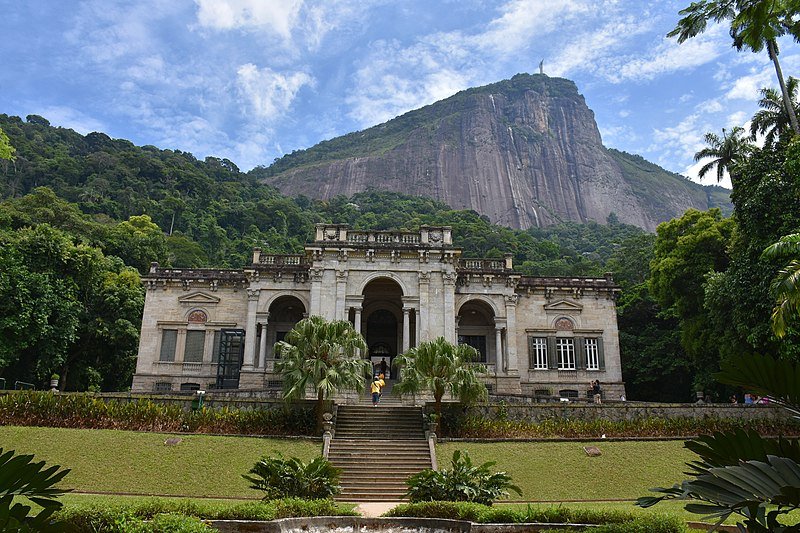
Right next to the Botanical Garden, you’ll find Parque Lage, a spot less frequented by tourists but equally charming. The park features a 19th-century mansion that now houses the School of Visual Arts. The café on the mansion’s ground floor, with views of the pool and Christ the Redeemer in the background, is the perfect place for a relaxing break.
Afternoon: Cultural Immersion at MAM and Boulevard Olímpico
After lunch, head to the Museum of Modern Art (MAM), a major cultural center housing works by Brazilian and international artists. The building’s modernist architecture, designed by Affonso Eduardo Reidy, is an attraction in itself.

Next, explore the Boulevard Olímpico, an area revitalized for the 2016 Olympic Games. Here, you’ll find the impressive Museum of Tomorrow, designed by Spanish architect Santiago Calatrava. The museum tackles topics like sustainability and technology in an interactive and engaging way.
Evening: A Farewell with Samba at Pedra do Sal
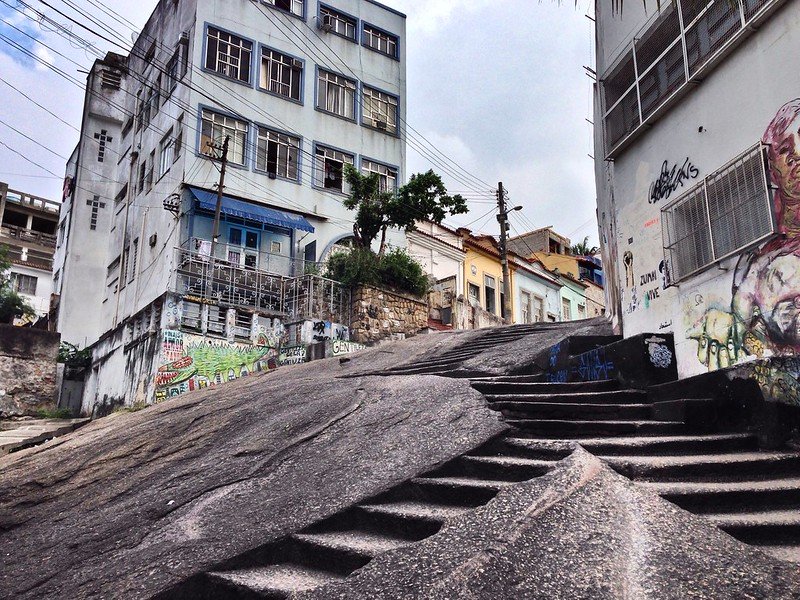
For an authentic Rio farewell, nothing beats a night of samba at Pedra do Sal, in the Saúde neighborhood. This historic site is considered the birthplace of Rio’s samba. On Mondays, the area transforms into a lively outdoor samba circle, where you can dance, sip an ice-cold caipirinha, and say goodbye to the Marvelous City to the sound of the music that is Rio’s very soul.
For dinner, try Bar Imaculada on Rua Sacadura Cabral, known for its delicious bar snacks and laid-back atmosphere. The codfish fritters and the “língua lambuzada” (a savory tongue dish) are house specialties that won’t disappoint.
Final Tips for Your Trip
- Transportation: Rio’s metro is an efficient way to get around the main tourist attractions. For places not served by the metro, ride-hailing apps are a safe and convenient alternative.
- Safety: As in any big city, keep an eye on your belongings, especially in busy tourist areas.
- Weather: Rio has a tropical climate with pleasant temperatures year-round. However, if you prefer to avoid the crowds, consider visiting outside the high season (December to March).
- Language: While Portuguese is the official language, many tourist establishments have staff who speak English.
This three-day itinerary offers a diverse taste of what Rio de Janeiro has to offer, from its world-famous icons to authentic local experiences. The Marvelous City has something for everyone, combining natural beauty, rich history, and vibrant culture in a unique way. Get ready to fall in love with Rio and create memories that will last a lifetime!
Credits: Featured image by Donatas Dabravolskas