Christ the Redeemer is one of the New Seven Wonders of the World and one of the most visited tourist attractions in Brazil. Perched atop Corcovado Mountain in Rio de Janeiro, this 38-meter-tall statue offers a stunning panoramic view of the city.
This 3-day itinerary for visiting Christ the Redeemer also includes trips to other nearby attractions, such as Sugarloaf Mountain, Tijuca Forest, and Rodrigo de Freitas Lagoon.
Dica: Aproveite também para fazer estes passeios no Rio de Janeiro
Cristo Redentor de trem e tour pelo Rio de janeiro. Duração: 4 horas
Passeio grátis pelo centro histórico do Rio e Lapa. Duração: 3 horas
Free tour pelo bairro de Santa Teresa. Duração: 2h 30m
Amanhecer no mirante de Dona Marta + Cristo Redentor Duração: 4 horas
Veja todos os passeios e tranfers no Rio de Janeiro
Day 1: Christ the Redeemer and Tijuca Forest
Morning: Start your day early to beat the crowds. The best way to get to Christ the Redeemer is by train, which departs from Cosme Velho. The ride takes about 20 minutes.
Once you arrive at Corcovado, climb the steps of the Chapel of Bom Jesus for a privileged view of the city. Then, visit the Sanctuary of Christ the Redeemer, where you can learn about the statue’s construction history and pick up souvenirs.
A bit of history about Christ the Redeemer
The idea to build a statue of Christ the Redeemer atop Corcovado came about in 1921, to commemorate the centennial of Brazil’s independence. The project was conceived by Father Pedro Maria Boss and French sculptor Paul Landowski.
Construction of the statue began in 1922 and was completed in 1931. The statue is made of reinforced concrete and iron and weighs around 1,145 tons.

Fun facts about Christ the Redeemer
- The statue’s arms stretch 28 meters, equivalent to a 10-story building.
- The statue’s head weighs 30 tons and is 3.7 meters wide.
- The statue was painted with 350 liters of white paint.
Afternoon: In the afternoon, take a hike through Tijuca Forest, the world’s largest urban forest. The forest is a paradise for nature lovers, with trails, waterfalls, and rich biodiversity.
Tijuca Forest is a tropical forest covering an area of about 8,000 hectares. The forest was created in the 16th century when the Portuguese began clearing the region for pastureland.
In the 19th century, Emperor Dom Pedro II ordered the reforestation of the area. This was carried out by planting native species from the Atlantic Forest.
Evening: Enjoy the evening by taking in the view of the illuminated Christ the Redeemer. You can take a boat tour around Guanabara Bay or simply sit on the beach and watch the spectacle.
Day 2: Sugarloaf Mountain and Beaches
Morning: On the second day, visit Sugarloaf Mountain, another Rio de Janeiro postcard spot. The Sugarloaf cable car takes you to the top of the hill, where you’ll have a 360º view of the city.
The name “Sugarloaf” comes from the mountain’s resemblance to a traditional sugar loaf. The hill was named by the Portuguese in the 16th century.
- Sugarloaf Mountain is 396 meters high.
- The Sugarloaf cable car is one of the oldest in the world.
- The Sugarloaf cable car was inaugurated in 1912.

Afternoon: In the afternoon, relax on the beaches of Copacabana, Ipanema, or Leblon. These beaches are considered some of the most beautiful in the world and offer a variety of activities, like swimming, surfing, walking, and sports.
History of the beaches of Copacabana, Ipanema, and Leblon
The beaches of Copacabana, Ipanema, and Leblon are the most famous in Rio de Janeiro. They were established in the 19th century
Copacabana is the most famous beach in Brazil and one of the most famous in the world. The beach is known for its long stretch of sand, perfect waves for surfing, and lively nightlife.
Ipanema is another famous Rio de Janeiro beach. It’s known for its natural beauty, laid-back atmosphere, and vibrant nightlife.
Leblon is a more exclusive beach in Rio de Janeiro. It’s known for its elegance, calm waters, and sophisticated atmosphere.
Evening: Spend the evening catching a show at Morro da Urca, right next to Sugarloaf Mountain. You can watch a music, dance, or theater performance, or simply enjoy the city view.

Day 3: Rodrigo de Freitas Lagoon and Botanical Garden
Morning: On the third day, visit the Rodrigo de Freitas Lagoon, one of the largest urban lagoons in the world. The lagoon is a great place for sports, biking, or just relaxing.
Rodrigo de Freitas Lagoon is a freshwater lagoon covering an area of about 5.5 square kilometers. The lagoon was created in the 16th century when the Portuguese began clearing the region for pastureland.
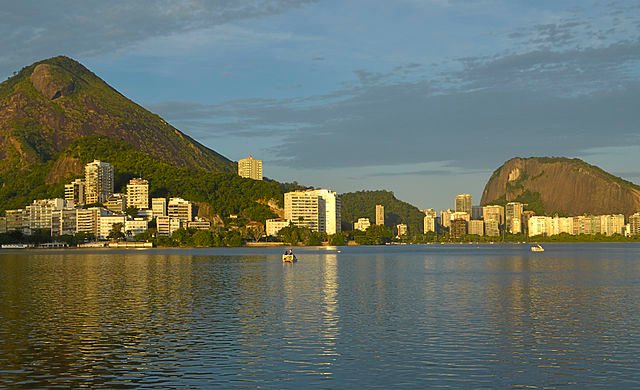
- Rodrigo de Freitas Lagoon is an important ecological corridor that connects Tijuca National Park with Parque da Cidade.
- The lagoon is a popular destination for water sports like kayaking, rowing, and stand-up paddleboarding.
- The lagoon is a great spot for a picnic or just relaxing.
Afternoon: In the afternoon, visit the Jardim Botânico do Rio de Janeiro (Rio de Janeiro Botanical Garden), one of the largest and most beautiful botanical gardens in the world. The garden is home to a variety of plants, trees, and flowers, as well as a museum.
The Jardim Botânico do Rio de Janeiro was founded in 1808 by order of Prince Regent Dom João VI. The garden was created to be a center for research and education on Brazilian flora.
- The Jardim Botânico do Rio de Janeiro houses a collection of over 6,500 plant species.
- The garden is an important research center for Brazilian flora.
- The garden is a popular destination for strolls, picnics, and cultural events.
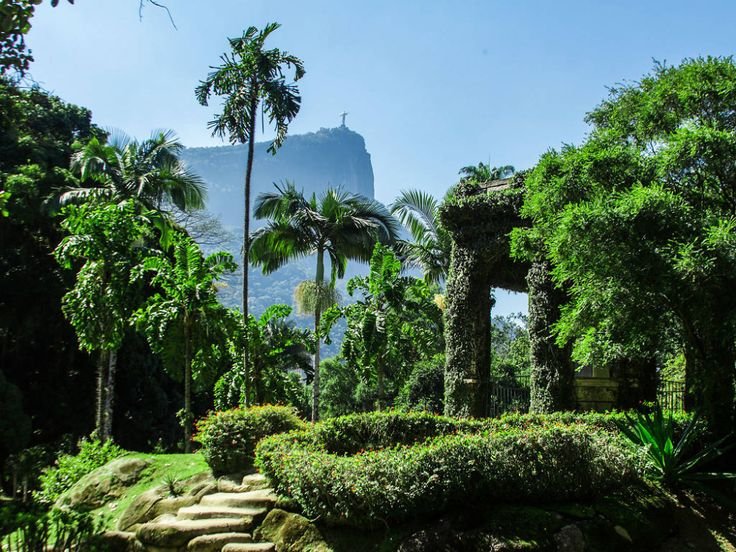
Evening: Spend the evening dining at one of the restaurants in the Jardim Botânico neighborhood. The area is known for its sophisticated cuisine.
Safety tips
- Avoid walking alone at night, especially in deserted areas.
- Don’t leave your belongings unattended.
- Keep an eye on your belongings when using public transportation.
- Be wary of pickpockets.
Extra tips For a different night out, off the beaten path, check out the Feira de São Cristóvão, with its Northeastern Brazilian food and live forró music.
- Buy your tickets in advance, especially if you’re traveling during peak season.
- Bring comfortable clothes and sunscreen.
- Drink plenty of water, especially if you’re going on hikes.
- Wear comfortable shoes.
Travel tip: Also check out the website for Catedral de Pedra and explore the Serra Gaúcha region