September 2026 is already marked on the calendar for anyone who lives for festivals: Rock in Rio is back at the Cidade do Rock, set up inside the Olympic Park in Barra da Tijuca. If you’re wondering whether it’s worth tackling the marathon of shows, how ticket sales work, or even how to get there from another state, this guide rounds up everything you need to know before you lock in your trip.
When is Rock in Rio 2026
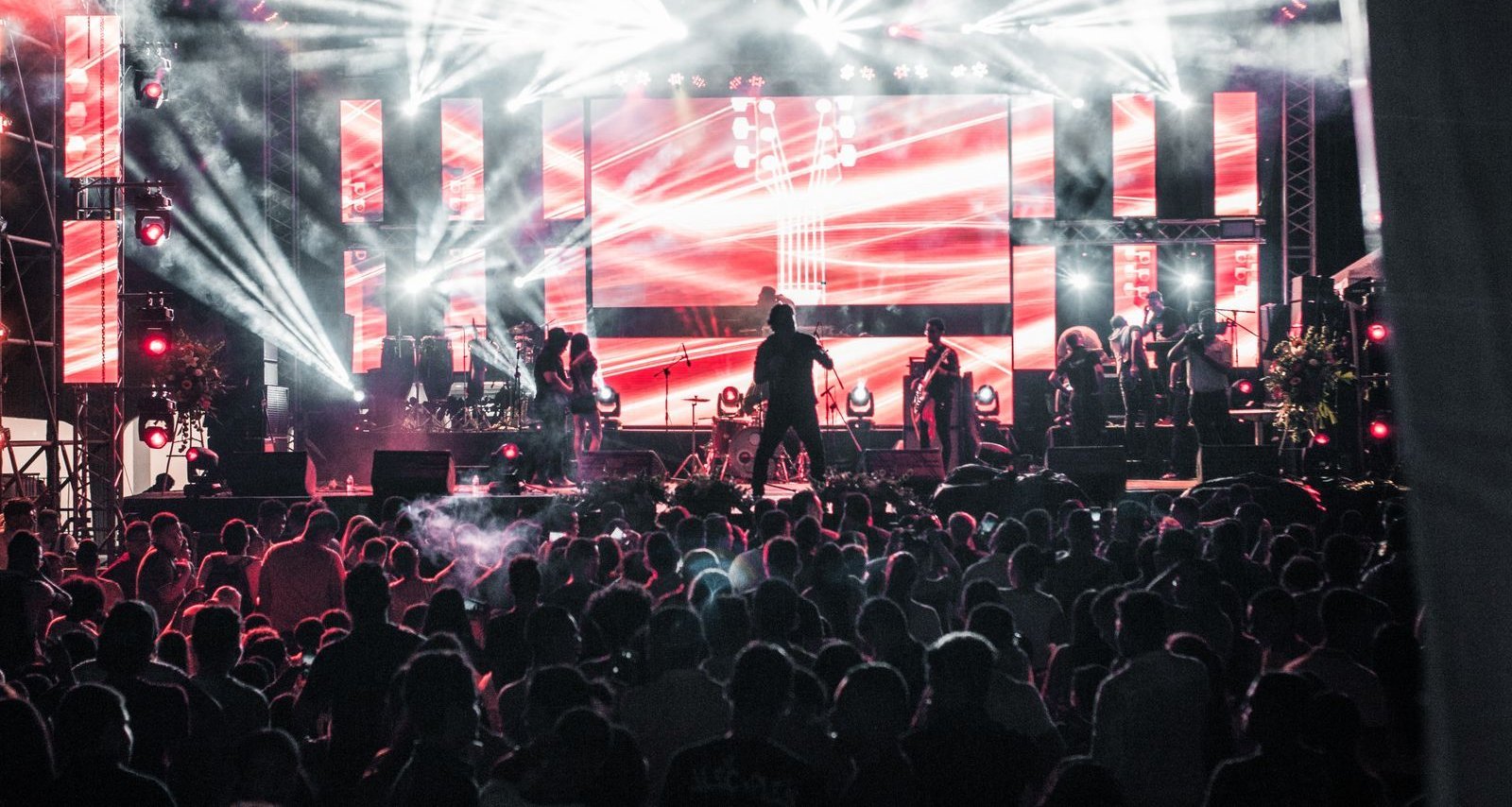
The 2026 edition takes place over two back-to-back weekends: first on September 4, 5, 6, and 7, then a short break before picking back up on September 11, 12, and 13. In total, that’s seven days of programming—giving fans the chance to pick which days best match the daily lineup or simply take on the whole festival if your stamina (and budget) allow.
Dica: Aproveite também para fazer estes passeios no Rio de Janeiro
Cristo Redentor de trem e tour pelo Rio de janeiro. Duração: 4 horas
Passeio grátis pelo centro histórico do Rio e Lapa. Duração: 3 horas
Free tour pelo bairro de Santa Teresa. Duração: 2h 30m
Amanhecer no mirante de Dona Marta + Cristo Redentor Duração: 4 horas
Veja todos os passeios e tranfers no Rio de Janeiro
This “two weekends” format has become a Rock in Rio trademark in recent editions, and it’s a huge help for anyone coming from outside Rio: you can plan a shorter trip focused on two or three specific days without needing to take a whole week off work.
Where it happens: Cidade do Rock at the Olympic Park
The festival takes over the Cidade do Rock, a structure set up inside the Rio de Janeiro Olympic Park in Barra da Tijuca—the same complex that hosted a large share of the 2016 Olympic Games competitions. The location is no accident: the grounds are massive, the access infrastructure has already been tested at major events, and it’s relatively close to hotels, malls, and the beach, which makes life easier for anyone staying in the area.

Inside the Cidade do Rock, you’ll find the main stages—the Mundo, which hosts the big international headliners, and the Sunset, geared toward more intimate and electronic performances—plus themed areas, food courts, official merch stores, and the amusement park that’s already a festival tradition.
Main attractions: who’s playing at Rock in Rio 2026
The 2026 lineup brings together names that promise to pack both main stages. Confirmed international acts include Foo Fighters, Calvin Harris, Elton John, Stray Kids, Maroon 5, Avenged Sevenfold, and Twenty One Pilots—a mix that spans classic rock, pop, and electronic, covering very different audiences in a single edition.
As tradition dictates, the festival also reserves generous space for homegrown talent, with Brazilian artists spread across both stages and the areas dedicated to specific genres. It’s worth keeping an eye on the official website and social channels of Rock in Rio in the weeks leading up to the event, because extra confirmations and schedule changes are common right up until the gates open.
How much are tickets and where to buy them
General public ticket sales have already kicked off, with sales opening at 7 PM on the Ticketmaster website, the festival’s official ticketing partner. There are basically two main categories:
- Pista (general admission): full-price tickets go for R$ 870, half-price for R$ 435, and Itaú customers (the sponsoring bank) pay R$ 739.50—with no extra service fees.
- Comfort Zone: a premium area facing the Sunset Stage, priced at R$ 1,950 (full price) and R$ 975 (half-price); Itaú customers get up to 15% off, bringing it to R$ 1,657.50.
Worth noting: some days have already sold out within the first hours of sales—usually the days with the most anticipated headliners go first. If you already know which act you can’t miss, it’s best not to leave the purchase to the last minute.
Opening hours
On every festival day, the Cidade do Rock gates open at 2 PM, giving you plenty of time to explore the themed areas and the amusement park before the main shows. Activities wrap up at 2 AM, but heads up: the last entry into the venue is at midnight—after that, anyone who hasn’t gotten in won’t be able to access the event that day.
This detail matters most for anyone planning to head straight from work or the hotel without setting aside the whole afternoon: showing up close to midnight is risky, especially considering travel time to Barra da Tijuca on a festival day.
Beyond the shows: amusement park and exclusive spaces
One of Rock in Rio’s trademarks is that it’s not “just” a music festival. Inside the Cidade do Rock, there’s a full amusement park with rides like the Discovery, the extreme Megadrop, a roller coaster, a Ferris wheel, and a zip line—great ways to break up the pace between shows or to enjoy before the main stage even starts.
For those after a more exclusive experience, the Rock in Rio Club brings together the festival’s VIP spaces—including the Comfort Zone area, positioned right in front of the Sunset Stage, aimed at members of the Rockstar, Lounge, and One categories. These are spaces designed for anyone who wants to watch the shows with more comfort, private restrooms, and fewer crowds.
How to get to the Olympic Park
Barra da Tijuca is a well-connected area, but on Rock in Rio days the crowds swell significantly, so planning ahead is key. The most popular options for festival-goers are:
- Metro + BRT: the most budget-friendly combo is taking the metro to a station integrated with the BRT corridor (like Jardim Oceânico) and then hopping on to the station closest to the Olympic Park. On festival days, there’s usually extra fleet capacity and additional signage for the public.
- Special buses: in previous editions, extra lines and charters leaving from different points around the city were a big help for anyone who didn’t want to drive—check the event’s official info to see if the setup repeats in 2026.
- Ride-hailing apps: Uber, 99, and taxis operate normally, but prices surge (and traffic builds) around opening times and, especially, when the event lets out around 1-2 AM.
- Driving yourself: the Olympic Park has parking, but on high-attendance days it tends to fill up fast and the exit traffic in Barra gets heavy. If you’re driving, consider arriving much earlier than the gate opening time.
One tip that applies no matter how you get there: agree on a meeting point for your group in advance for when you leave, because cell signal tends to get spotty with so many people packed into the same area.
Where to stay for Rock in Rio
People coming from outside Rio usually split between two accommodation strategies. The first is staying right in Barra da Tijuca, at hotels and flats just minutes from the Olympic Park—the upside is cutting down travel time after a night of shows, especially on the way back when fatigue has really set in.
The second option is staying in neighborhoods like Copacabana, Ipanema, or Leblon, closer to the beach and Rio’s “traditional” nightlife, and treating the trek to Barra as part of the experience—this works well for anyone who wants to use the non-festival days to explore other beaches and landmarks around the city. In that case, combining public transit with ride-hailing apps usually handles the trip just fine.
Practical tips for enjoying the festival without suffering
A few tips that make a real difference on a full day at an outdoor festival:
- Comfortable footwear: Cidade do Rock is huge, and between walking from stage to stage, standing through the shows, and tackling the amusement park, your feet take a beating. Comfortable sneakers are practically a must.
- Sunscreen and hydration: September in Rio tends to heat up, and a good part of the day (before the main shows) is spent under the sun. Bring sunscreen and a reusable water bottle — there are usually refill stations inside the venue.
- Layered clothing: the early afternoon heat can give way to a cooler breeze in the early hours, especially around 1 a.m., when the festival is wrapping up.
- Power bank: with photos, videos, and constant use of the ride-hailing app, your phone battery usually won’t last the whole day.
- Set meeting points: getting separated from your group at an event with tens of thousands of people is easy — decide in advance where to meet up in case you lose signal.
Frequently Asked Questions About Rock in Rio 2026
When does Rock in Rio 2026 start and end?
The festival takes place in two blocks: September 4, 5, 6, and 7, and then September 11, 12, and 13, 2026, totaling seven days of shows at Cidade do Rock, inside Parque Olímpico.
Where is Cidade do Rock located?
Cidade do Rock is set up inside Rio de Janeiro’s Parque Olímpico, in Barra da Tijuca, in the same area that hosted part of the 2016 Olympic Games.
How much do tickets cost and where can I buy them?
General admission (lawn) tickets cost R$ 870 (full price), R$ 435 (half-price), and R$ 739.50 for Itaú customers. The Comfort Zone, with a prime view of the Palco Sunset, costs R$ 1,950 (full price), R$ 975 (half-price), and R$ 1,657.50 for Itaú customers. Tickets are sold through Ticketmaster.
Can I enter the venue at any time?
No. Gates open at 2 p.m. and the festival ends at 2 a.m., but the last entry is until midnight — after that, you can’t get in, even with a valid ticket for that day.
Is the Comfort Zone worth the extra cost?
It depends on your profile. If the plan is to watch the Palco Sunset shows with more comfort, a prime view, and less crowding, the Comfort Zone makes sense. If you prioritize saving money and don’t mind arriving early to snag a good spot on the lawn, the general admission ticket already gets you access to the full lineup.
Is Rock in Rio 2026 Worth It?
For anyone who loves music, crowds, and nonstop programming, Rock in Rio remains one of the most complete events on Rio de Janeiro’s calendar — not just for the shows, but for the whole experience: amusement park, themed areas, food, and a party vibe that takes over Barra da Tijuca for those seven days. Plan your trip in advance, secure tickets for the days that matter most to you, and take the chance to explore (or revisit) other corners of Rio on the days off.