Praia Vermelha is one of Rio de Janeiro’s best-kept secrets, and maybe that’s exactly why so many people completely overlook it. While crowds flood Copacabana and Ipanema, this small, tranquil beach at the base of Sugarloaf Mountain remains a refuge where you can actually relax to the sound of the waves without fighting for a spot on the sand. The name “Vermelha” comes from the reddish sand and the tone of the rocks that surround the area — a detail that makes it visually unique. If you’re looking for a carioca beach that isn’t overly touristy but still offers a spectacular view, Praia Vermelha is exactly what you’re looking for. This is a place most travel guides don’t even mention, which means you’ll get a genuinely authentic experience.
What Makes Praia Vermelha So Special
Praia Vermelha is small — really, really small. The entire stretch is just a few dozen meters, which means you won’t get lost here. This is a “fits-in-one-photo” kind of beach, perfect if your goal is an intense, no-distractions experience. The sand is fine and pleasant, with that natural reddish tint that gives the place its name, and the water is generally calmer than at the more exposed beaches in the Zona Sul.
Dica: Aproveite também para fazer estes passeios no Rio de Janeiro
Cristo Redentor de trem e tour pelo Rio de janeiro. Duração: 4 horas
Passeio grátis pelo centro histórico do Rio e Lapa. Duração: 3 horas
Free tour pelo bairro de Santa Teresa. Duração: 2h 30m
Amanhecer no mirante de Dona Marta + Cristo Redentor Duração: 4 horas
Veja todos os passeios e tranfers no Rio de Janeiro
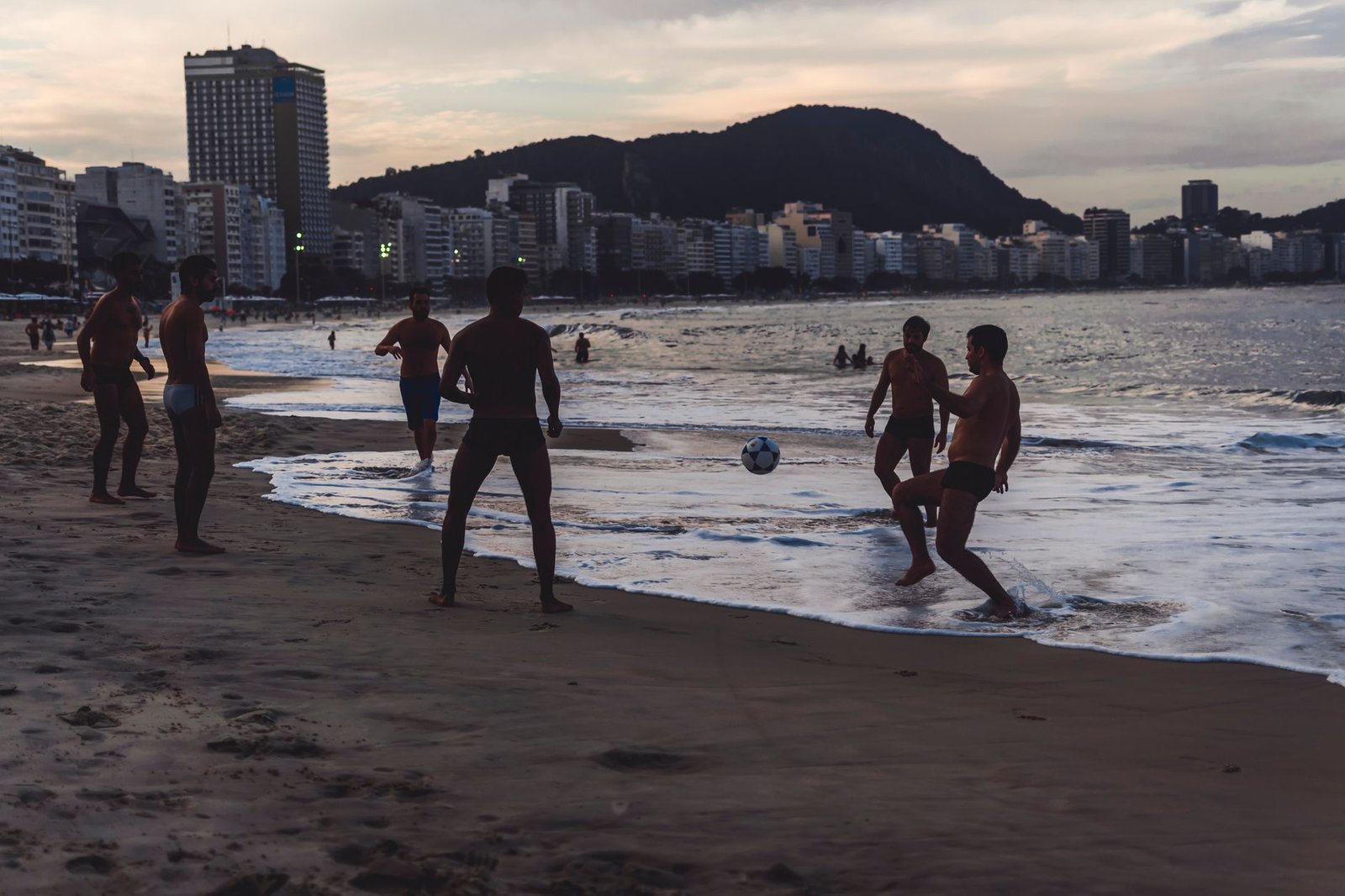
Location is everything here. You’re at the base of Sugarloaf Mountain, staring straight at that iconic peak, especially Morro da Urca, which sits right in front of you. If you go up during the day, Sugarloaf dominates the horizon — it’s almost impossible not to spend your time watching that rocky structure rise above the beach. At night, when Sugarloaf is lit up with that white/yellowish glow, the beach becomes even more special and magical. It’s one of those places where the scenery makes all the difference and completely justifies the trip out there.
What truly makes Praia Vermelha unique is the fact that it’s practically untouched by mass tourism. There are no noisy commercial kiosks selling pre-packaged coconut water, no street vendors hawking beer every five seconds, no big tour groups with a guide holding up a colored flag. It’s a genuinely local beach, frequented mainly by residents of Urca and the surrounding areas who know they have a treasure right in their backyard. That means you experience Rio the way a local carioca does, not as a tourist on a set itinerary.
Cláudio Coutinho Trail: A Walk with a View
One of the best reasons to come to Praia Vermelha is the famous Cláudio Coutinho Trail, which starts at the beach and follows along the mountain, offering progressively better views of Guanabara Bay and the whole city. The trail is named after an important Brazilian geographer who studied the region, and it’s considered one of the most beautiful urban trails in Rio — and the best part: it’s completely free, no reservation or scheduling needed.
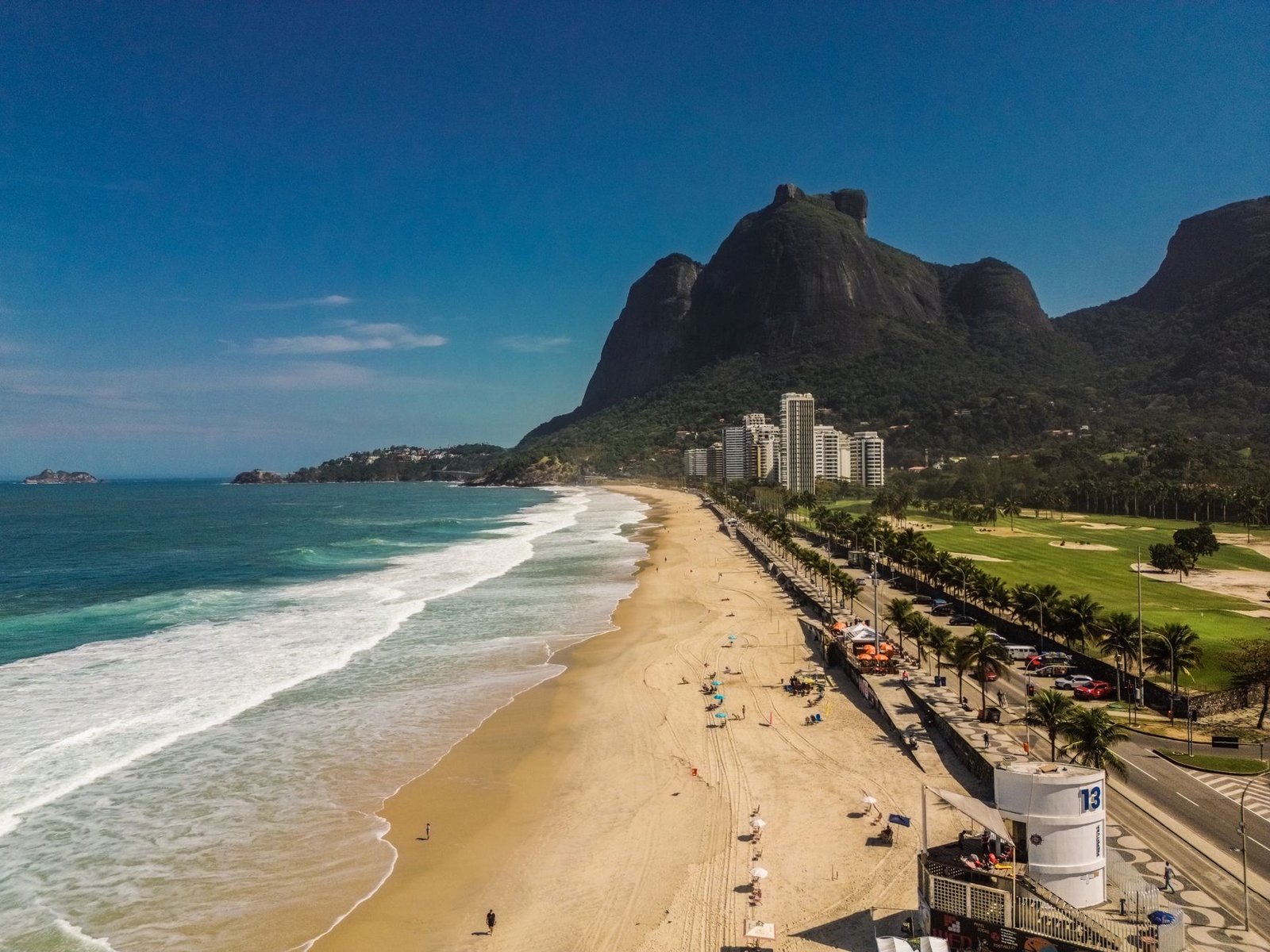
The Cláudio Coutinho Trail is roughly 4 km round trip — but you’re not obligated to do the whole thing. Many people only do half (about 30-40 minutes) and turn back, enjoying the views without committing to a multi-hour hike. The difficulty level is low to moderate — it’s not as easy as a stroll along the Aterro, but it’s accessible for most people with a reasonable level of fitness and the willingness to climb a few steps.
The trail runs laterally along the foot of Sugarloaf Mountain, offering different perspectives of the mountain with every step. At certain points, you can see Ipanema, Leblon, and the Lagoa below. On very clear days (rare in Rio due to pollution, but it happens after rain), you can even see the entire Avenida Atlântica lit up at night. The trail is well-maintained, with steps on steeper sections and orientation signs spaced along the way — you won’t easily get lost, even on your first visit.
The ideal time to do the trail is late afternoon, around 4 PM, to catch the progression of the sunset as you walk. The light shifts, the colors transform (blue → orange → pink → red), and the view becomes even more cinematic and photo-worthy. If you’re lucky enough to get a super clear day with few clouds (rare in January-February, common in May-June), the trail offers one of the most memorable visual experiences in all of Rio — no exaggeration.
Praia Vermelha’s Amenities and Infrastructure
Praia Vermelha is a simple beach in the best sense of the word, which means there’s very little infrastructure on site. There are no umbrella and lounger rental kiosks, no public restrooms, no public showers. You need to come prepared — bring water, sunscreen, and a towel. If you need a bathroom, the closest option is at some of the bars in Urca, about a 10-minute walk from the beach.
What the spot does offer is parking (free on the street, though competitive especially on weekends) and direct, unobstructed access to the sand. There’s also a small, simple bar/restaurant right next to the beach serving drinks and basic snacks — nothing gourmet or fancy, but it works perfectly for a quick coffee, a cold beer, or a sandwich after the trail.
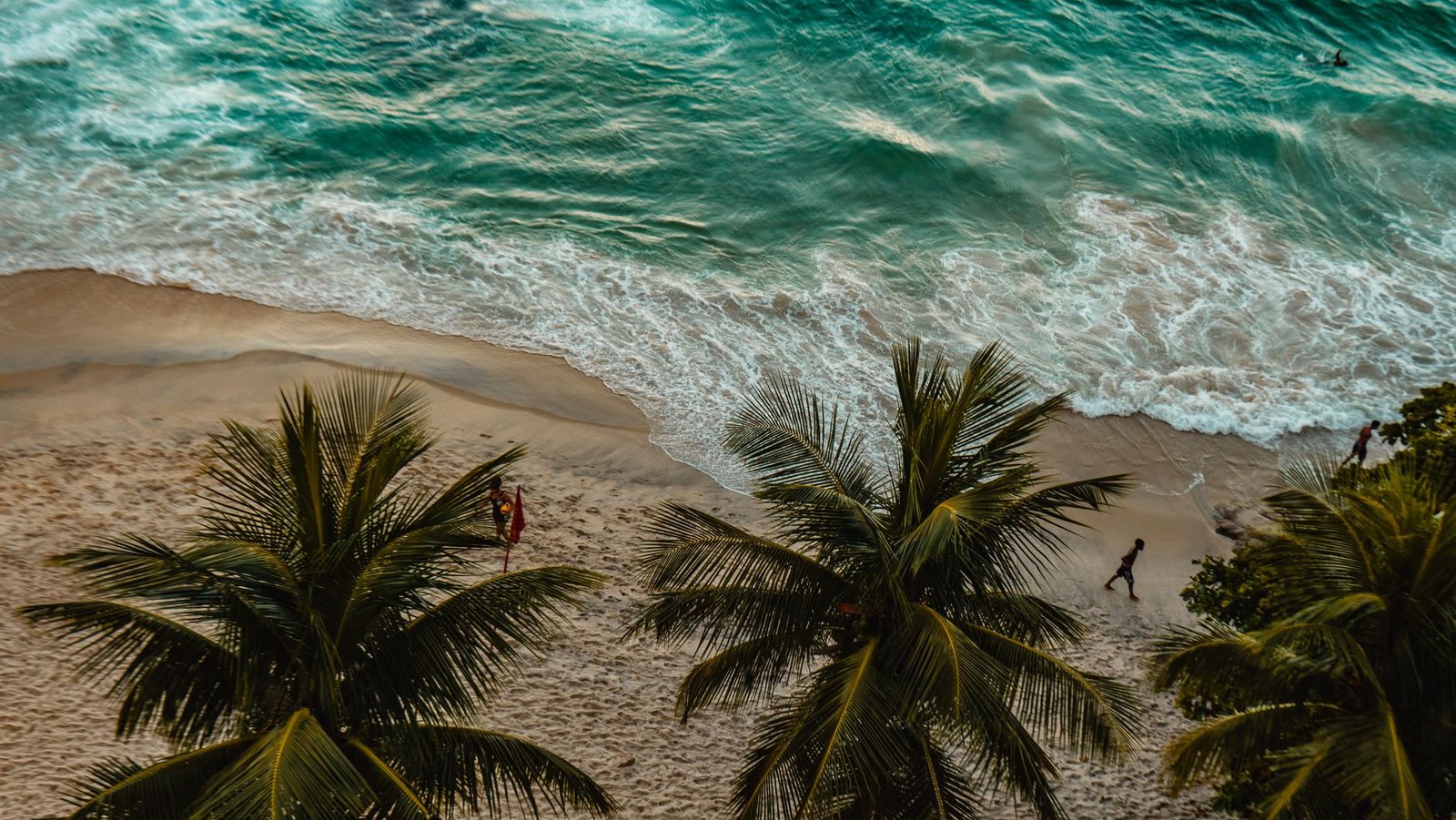
The beach is safe during the day, especially on weekends when there are more people around. Since it’s not a mass-tourism spot, local police don’t patrol constantly — but with no frequent thefts or reported robberies, you can relax and enjoy yourself without constant worry. At night after 7 PM, it’s best to avoid the area — lighting is minimal and the place gets quite empty, which increases the risk.
How to Get to Praia Vermelha
Praia Vermelha is located in the Urca neighborhood, between Botafogo and Sugarloaf Mountain itself. The address is Avenida Pasteur (the same street as the Sugarloaf cable car), near number 520. It’s an easy address to find because you literally turn off Avenida Pasteur and see the beach.
By car/Uber: tell the driver “Praia Vermelha, Urca” or “Avenida Pasteur, next to Sugarloaf Mountain” — anyone will know it. The trip takes about 15-20 minutes from Copacabana or Ipanema, depending on traffic. There’s street parking, which is usually available (especially on weekdays), or you can use one of the nearby paid parking lots if you prefer to guarantee a spot.
By public transit: take buses 107, 109, or 495 — they all pass by Praia Vermelha or very close to it. From downtown, it’ll take about 30-40 minutes depending on rush hour traffic. It’s a budget-friendly option if you’re traveling on a tight budget.
By metro + walk: if you’re in the Zona Sul, get off at Botafogo Station (Line 1) and grab an Uber or taxi from there — it’s very close, about 5 minutes by car, no more than R$ 10-15.
The Beach Experience: What to Expect
You arrive at Praia Vermelha and the first impact is visual — it’s a kinetic beach, full of water movement and energy. There are usually small to moderate waves (0.5 to 1.5 meters), perfect for anyone who wants to get in the water without the risk of being swept away or needing surfing experience. The water is cool-to-warm (depends on the season — cooler between June and September, warmer from December to March), and the salinity is typical of Rio — you float easily.
If you come without a set plan, you can: (1) spend half an hour on the sand soaking up the sun and reading a book; (2) do the Cláudio Coutinho Trail (the main attraction); (3) jump in the sea for a quick, refreshing dip; or (4) combine it all into a half-day visit. Most people come, do the 30-40 minute trail, return to the beach, take a dip, grab a cold beer at the bar, and head out. It’s a complete experience that fits perfectly into 2-3 hours.
Bars and Dining in Urca and Beyond
While Praia Vermelha itself is simple with little infrastructure, the surrounding Urca neighborhood has several interesting bar and restaurant options. Urca is a charming, quiet, mostly residential and family-oriented neighborhood, but it has a nightlife scene concentrated in a few specific spots that’s well-developed for those who know where to look.
Morro da Urca: if you want something more upscale with views, Morro da Urca (accessible via the Sugarloaf cable car or a well-marked pedestrian path) has bars with premium views over Guanabara Bay. It’s pricier, but the experience of enjoying a cold beer up there, watching the Bay transform as the sun sets, is practically unforgettable and worth every cent.
Bars at the base of the mountain: there are simple, more laid-back bars on Avenida Pasteur and the surrounding area — nothing special in terms of menu or presentation, but they work perfectly for a post-trail beer with a view of the sea.
Best Time to Visit
Praia Vermelha is a spot you can visit year-round, each season with its own character. During the summer months (December to February), the beach gets a bit busier, but it never reaches Copacabana’s level of crowding — at most 20-30 people on the sand. The fall months (March to May) and spring (September to November) are perfect — pleasant weather, no extreme heat during the day (max 28°C), and water at a comfortable temperature (24-26°C).
Winter (June to August) is cooler (the water sits around 20-21 degrees Celsius, the air reaches 22-24°C), but it’s still enjoyable if you have the right swimwear or prefer to just hike the trail without going in the water. In fact, the trail is even better in winter because you don’t sweat as much while walking.
Practical Tips for Your Visit
Bring plenty of water: there are no vendors or kiosks selling water inside the beach. At least a 500ml bottle, better yet 1 liter if you plan on doing the trail.
Sunscreen: the reddish rocks of Praia Vermelha reflect the sun quite a bit, so you’ll burn faster than on other beaches — apply sunscreen generously.
Proper footwear: if you plan on doing the Cláudio Coutinho Trail, sneakers are a must. The trail has steps and rocky sections that aren’t suitable for flip-flops or sandals.
Trail timing: start early (7am-8am) or late afternoon (3pm-4pm). Midday between 11am-3pm, the heat is intense and the trail gets uncomfortable.
Photos: the best angle for photos is late afternoon, when the light gets warmer and Sugarloaf Mountain takes on a golden glow on the horizon.
Frequently Asked Questions About Praia Vermelha
Is Praia Vermelha safe?
During the day, especially on weekends when there’s more foot traffic, yes, it’s safe. It’s a local beach that criminals rarely target because there isn’t a big tourist crowd with expensive cameras. At night after 7pm, it’s best to avoid — lighting is minimal.
Can I bring drinks from the street?
There’s no formal prohibition, but since it’s a beach without mass tourism, it’s better to buy something at the local bar to avoid drawing unnecessary attention.
How much does a visit cost?
Beach entry is free. You’ll only spend on parking (if you can’t find free street parking), food/drinks at the local bar (beer around R$ 10-15), and possibly the Sugarloaf Mountain ticket if you want to go up too (around R$ 80-95).
Do I need to go early in the morning?
It’s not necessary, but going early (7am-9am) guarantees easier parking and an empty trail — even though the “crowd” here is tiny compared to other Rio beaches.
Conclusion
Praia Vermelha is that kind of place you recommend to your tourist friends who want to “experience the real Rio” without mass tourism and inflated prices. It’s an authentic beach with a privileged view of Sugarloaf Mountain in the background, and it offers the Cláudio Coutinho Trail as its main attraction — a walk that’s both light exercise and a visual experience that stays with you. If you have more than a day in Rio and have already hit the conventional beaches (Copacabana, Ipanema), Praia Vermelha is a delightful detour worth every minute you dedicate to it.