If there’s one thing that sets Recreio Beach apart from the more famous beaches in Rio’s South Zone, it’s the pace. Things move slower here, families spread out across the sand without fighting for every inch of space, and you can spend the whole afternoon without that feeling of being right on top of your neighbor. For Rio locals or visitors looking for a more peaceful beach day without sacrificing that postcard-perfect view, Praia do Recreio dos Bandeirantes is a choice well worth getting to know.
In this guide, I’ve rounded up everything you need to know to make the most of your day: how to get there, where to park, what to do along the shore, a comparison with neighboring Barra da Tijuca, and a few tips that only regulars to the area usually know.
Dica: Aproveite também para fazer estes passeios no Rio de Janeiro
Cristo Redentor de trem e tour pelo Rio de janeiro. Duração: 4 horas
Passeio grátis pelo centro histórico do Rio e Lapa. Duração: 3 horas
Free tour pelo bairro de Santa Teresa. Duração: 2h 30m
Amanhecer no mirante de Dona Marta + Cristo Redentor Duração: 4 horas
Veja todos os passeios e tranfers no Rio de Janeiro
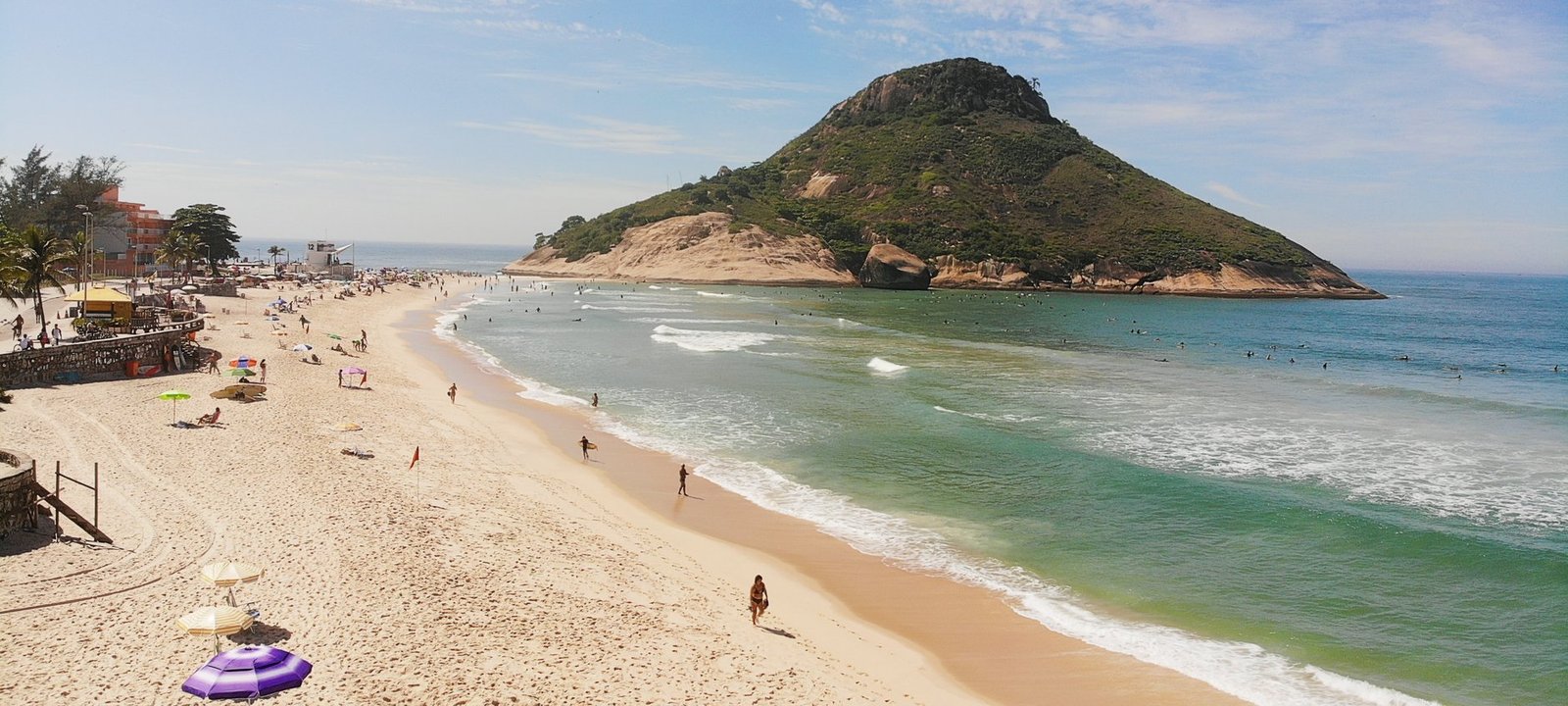
Photo by Carlos Eduardo de Meneses | Pexels
Where is Praia do Recreio dos Bandeirantes
Recreio dos Bandeirantes is a neighborhood in Rio’s West Zone, nestled between Barra da Tijuca and Pontal, right where the city starts to get greener and less vertical. The beach stretches about 3 km (1.8 miles) and is part of a sandy strip that, combined with Praia da Barra and Praia do Pontal, forms one of the longest stretches of coastline in Rio de Janeiro.
It’s an essentially residential neighborhood, which completely changes the atmosphere compared to Copacabana or Ipanema. There are apartment buildings along the shore, but also plenty of houses, gated communities, and local shops. The feeling is more “a beach for the people who live here” than a tourist hotspot — and for many, that’s exactly the appeal.
How to get to Recreio
From the South Zone
By car or rideshare, the most common route is to take Avenida Niemeyer/Av. Lúcio Costa and continue to Barra, then follow the coast to Recreio. Depending on traffic (and it can get heavy on sunny days), the trip from Ipanema or Leblon usually takes between 40 minutes and 1 hour 15 minutes.
For public transit, the most practical option is combining metro + bus: take the metro to Jardim Oceânico station (Line 4) and from there complete the trip by bus or rideshare to Recreio, since the line doesn’t reach the beach directly. Another alternative is using the buses that connect the South Zone to Barra/Recreio via Linha Amarela or Avenida das Américas — it’s worth checking the route on a transit app beforehand, as lines change frequently.
From Downtown or the North Zone
The most direct route is usually via Linha Amarela to Avenida das Américas, continuing to the intersection with the coast. During rush hour, this road also gets crowded, so if you can avoid late Friday afternoon and early Monday morning, the trip will be much smoother.
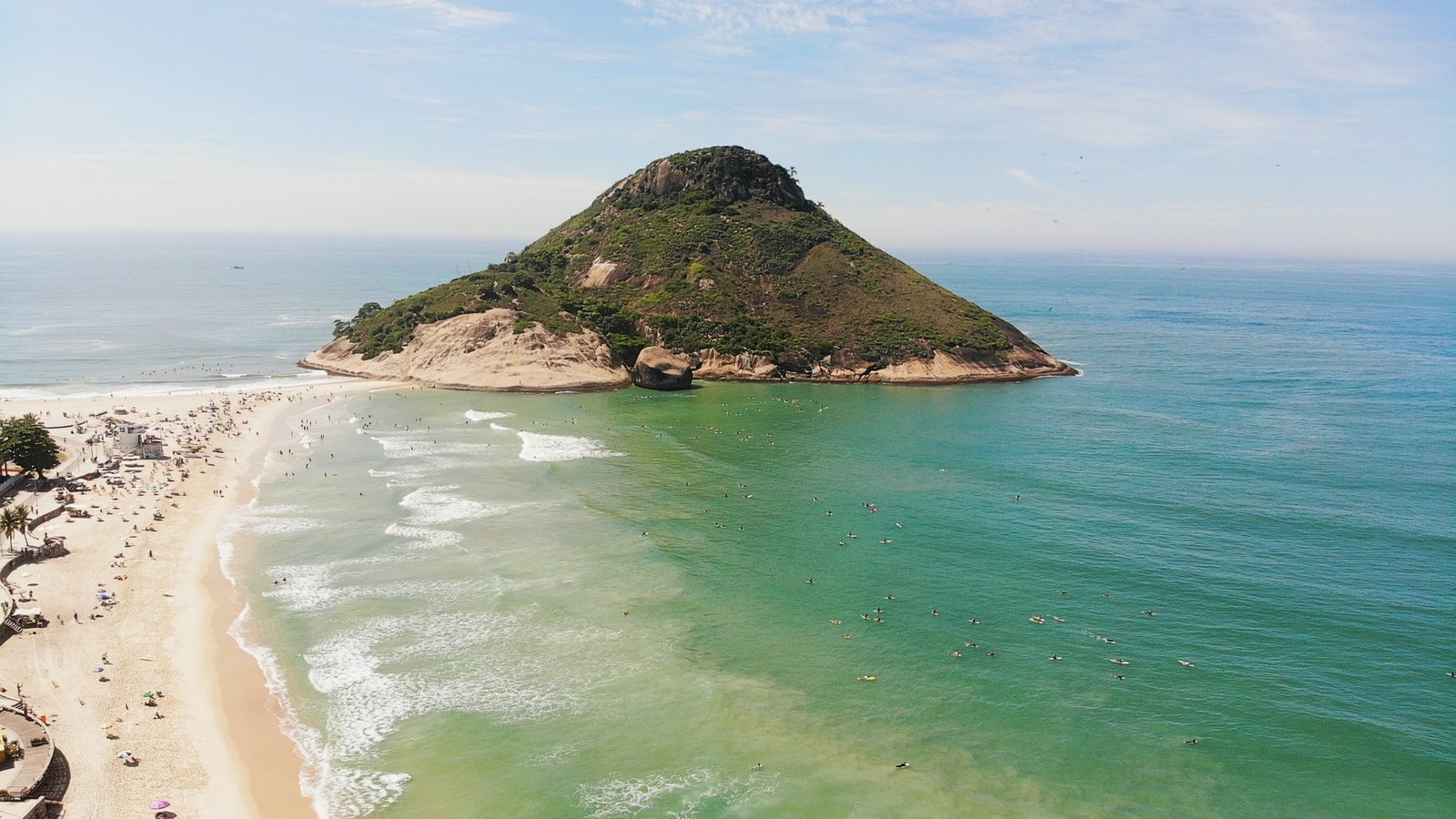
Photo by Carlos Eduardo de Meneses | Pexels
Where to park
This is one of the reasons many people prefer Recreio over Barra da Tijuca: parking is usually easier. Along Avenida Lúcio Costa, in the stretch that cuts through Recreio, there are street spots that typically aren’t as contested as those in Barra, especially outside of summer weekends.
Still, on very busy days — usually sunny Saturdays and Sundays between December and March — it might be worth arriving earlier (before 10am) or considering leaving the car on a side street, a bit further from the beach. Avoid leaving visible objects inside the vehicle, as with any beach area in the city.
The shoreline: bike path, kiosks, and plenty of space
Recreio’s shoreline follows the same pattern as Barra: a wide bike path, separated from the car lane, running parallel to the beach for miles. It’s one of the most pleasant stretches for cycling in Rio, with ocean views on one side and lots of greenery on the other — a far cry from the more urban landscape of Copacabana.
Kiosks exist, but in lower density than in the South Zone. That means fewer food options on the sand, but also fewer people walking around selling things and less loud music all day long. For those seeking peace and quiet, that’s a plus; for those who love the buzz of the more central beaches, it might be a reason to come prepared with a well-stocked cooler.
Worth noting: because it’s a more open beach, without the hills that shelter stretches like Leblon and Ipanema, Recreio gets stronger waves on certain days, especially when there’s a rough sea. Keep an eye on the Fire Department’s flag warning system and follow the lifeguards’ guidance.
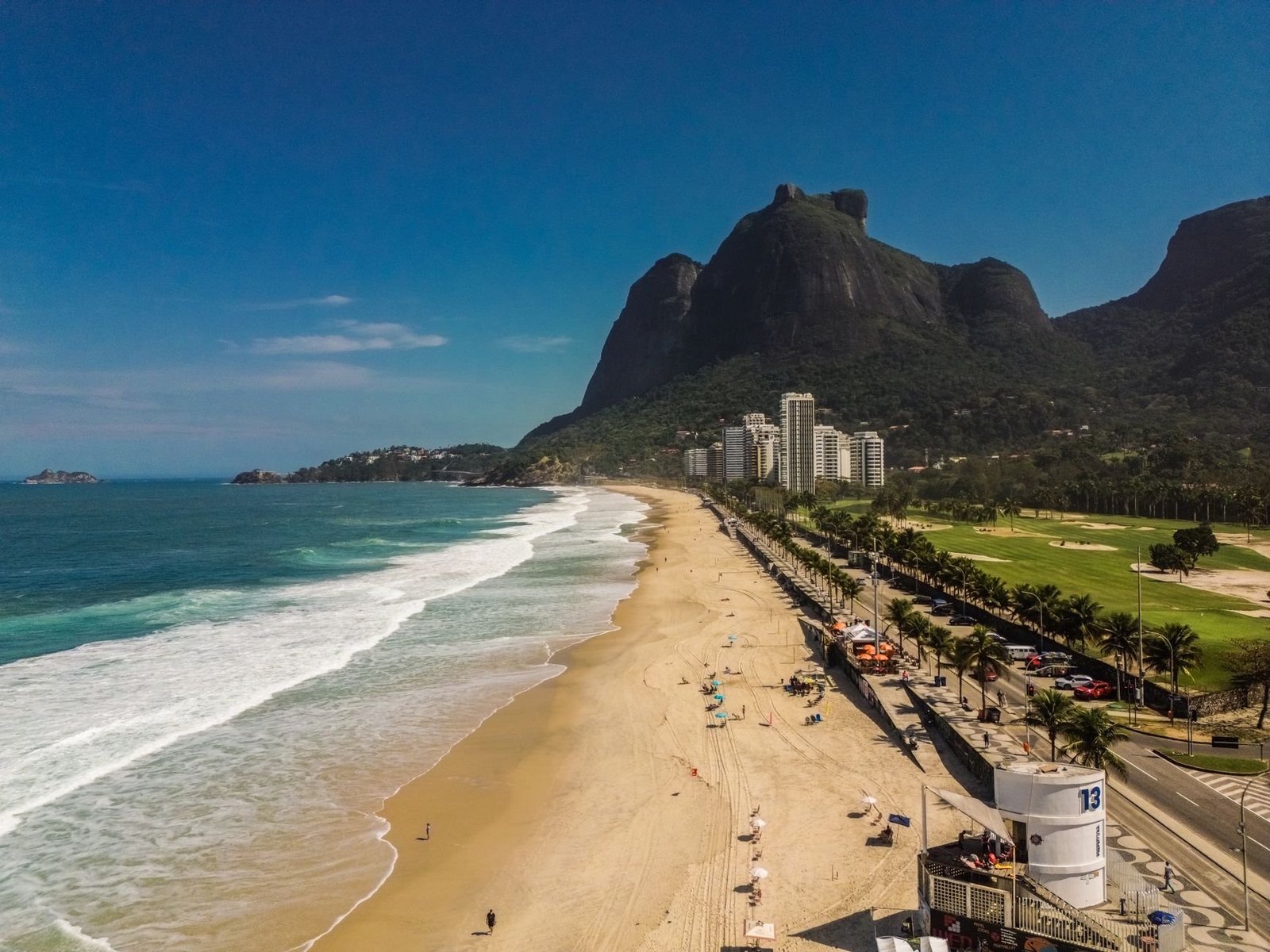
Photo by Rcastro creative | Pexels
What to do at Recreio Beach
Stand up paddle and board sports
The area is quite popular among stand up paddle enthusiasts, especially on calmer days, early in the morning. It’s also common to see bodyboarders and surfers in stretches with more formed waves — it’s worth watching where the locals usually enter the water before venturing out, especially if you don’t know the area well.
Cycling and walking
With the bike path in great condition and less pedestrian traffic compared to the South Zone, Recreio is one of the most inviting places in Rio for a leisurely ride. There are bike rental spots along Avenida Lúcio Costa, and you can string together a ride that goes all the way to Barra or, on the other side, towards Pontal.
Courts and team sports
Different stretches of the shoreline have volleyball and footvolley courts, plus plenty of sand for the traditional beach soccer. On weekends, it’s common to find organized groups, some of which are open to anyone wanting to jump in the game.
For families with kids
The sea tends to have slightly stronger waves than at sheltered beaches, so families with young children usually prefer the stretches closest to the boardwalk, where lifeguard presence is more constant, and avoid going in the water on rough-sea days. The width of the sand helps a lot: you can set up the family “base camp” — tent, chairs, cooler — well away from the water’s edge, without fighting for space.
Recreio vs. Barra da Tijuca: which to choose?
This is the comparison every West Zone local has made at least once. The two beaches are neighbors, share the same continuous shoreline, and have similar characteristics — more open waves, an extensive bike path, a residential profile. The differences, however, make a real difference in practice:
Vibe: Barra da Tijuca has more malls, more commercial options near the beach, and consequently more people and more traffic on the access roads. Recreio is calmer, with a residential neighborhood rhythm.
Parking: as I mentioned, it’s usually easier to find a spot in Recreio, especially outside of high season.
Kiosk scene: Barra has more food and drink options on the sand. At Recreio, it’s more common to bring your own stuff or head to a restaurant on the nearby streets.
Scenery: both have beautiful views, but Recreio tends to have more greenery around, with remnants of Atlantic Forest vegetation in some nearby stretches.
In practice, if you want a beach day with more amenities and buzz, Barra serves you better. If your priority is peace, space, and a more “neighborhood” feel, Recreio wins easily.
Photo by Anderson Leme | Pexels
Best time and season to visit
As with almost any Rio beach, the first half of the morning (between 7am and 10am) is usually the most pleasant time: the sun isn’t at its peak, the heat is milder, and the beach is emptier. In the afternoon, especially between December and March, the crowds pick up significantly on weekends.
Outside of summer, Recreio gets even quieter — a great option for Rio locals looking for a weekend escape without leaving the city, even on cooler days, for a walk along the shore or a bike ride.
What’s nearby
One of the perks of staying in Recreio is its proximity to other West Zone beaches, each with its own distinct personality. Following the shoreline, you’ll reach Pontal and, further along, Prainha — a traditional surf spot — and Grumari, which boasts a more preserved landscape with that classic Rio state coastline vibe, far from the city buzz.
For those staying in Barra da Tijuca, Recreio is practically an extension of the same shoreline — definitely worth adding to your itinerary as a way to “change the scenery” without having to travel far.
A bit of neighborhood history
The name “Recreio dos Bandeirantes” harkens back to Rio’s urban expansion toward the West Zone, when the area was still dotted with farms and country estates. More intense growth came in the 1980s and 1990s, following Barra da Tijuca’s verticalization, but the neighborhood kept a lower profile and a residential character that, to this day, contrasts with the density of other parts of the West Zone.
This history of more recent — and more planned — occupation, compared to century-old neighborhoods like Copacabana, partly explains why the streets are wider, the waterfront has more open space, and traffic, while it exists, tends to be less chaotic than in older parts of the city.
Accessibility and support facilities
The waterfront features a flat boardwalk, making it easy to navigate with strollers, wheelchairs, and for people with reduced mobility. At certain points along the beach, especially near lifeguard stations, you may find amphibious chairs provided by the city at certain times of the year — it’s worth checking availability on-site, as the service can vary.
Public restrooms and showers are available at specific spots along the waterfront, but in smaller numbers than at more central beaches. That’s why many people prefer to head to a nearby kiosk or restaurant for a more comfortable restroom experience.
Practical tips for making the most of your day
Bring water and sunscreen — since there are fewer kiosks per stretch of sand, you can’t always count on buying everything on the spot. If you’re planning to bike along the cycle path, aim for early morning or late afternoon when the heat is less intense. And if you’re thinking of combining the beach with a longer bike ride, it’s easy to extend your route to Barra and back — the scenery along the way makes the pedal worth it.
Another tip: since Recreio is more residential, neighborhood restaurants and bakeries on the streets near the waterfront tend to have friendlier prices than the kiosks at more touristy beaches. It’s worth stepping off the sand to grab lunch somewhere a bit more “local.”
Frequently asked questions about Recreio Beach
Is the water at Recreio good for swimming?
On calm sea days, yes, but the waves tend to be stronger than at sheltered beaches like Leblon or Botafogo. Keep an eye on the warning flags, and if you’re not a strong swimmer, stick to the stretches closest to the lifeguard stations.
Is Recreio safe to visit?
As with any beach in Rio, common sense is the rule: avoid bringing visible valuables, don’t leave your belongings unattended, and stay aware of your surroundings, especially as dusk approaches.
Can you get to Recreio without a car?
Yes, but it requires a bit more planning. The most common combo is taking the metro to Barra (Jardim Oceânico station) and then hopping on a bus or ride-share to the beach, since there’s no metro station along the Recreio waterfront.
What’s the difference between Recreio, Pontal, and Prainha?
They’re neighboring beaches, but with different profiles: Recreio is more residential and well-structured, Pontal has similar characteristics on a smaller scale, and Prainha is mainly geared toward surfing, with much simpler facilities.
Are there enough kiosks at Recreio?
There are kiosks along the waterfront, but in lower density than at Copacabana or Barra. If you’re planning to spend the whole day, it’s worth bringing snacks and plenty of water, plus considering restaurants on the nearby streets.
Is it worth the visit?
If your Rio itinerary already includes a full day at Copacabana and another at Ipanema, swapping an afternoon for a trip to Recreio dos Bandeirantes can be a welcome breath of fresh air. It’s a beach that delivers the essentials — sand, sea, bike path, scenery — without the hustle and bustle of the more central beaches, and it shows a different side of the city for those who only know the South Zone.
If you’re up for adding Recreio to your next beach day, it’s worth pairing it with a stop at Barra da Tijuca, since the two beaches practically connect along the same shoreline — that way you can compare them with your own eyes and decide which one fits your travel style best.