Among Búzios’ 23-plus beaches, Tartaruga Beach stands out for a combination few spots on the peninsula can match: calm, clear water, kiosk amenities without the crowds of the more famous beaches, and a location that makes it easy to pair with other beaches in the same area in a single day. First-timers often wonder why they hadn’t heard of it before—the name shows up less in itineraries than João Fernandes or Ferradura, but the beach delivers the same water quality with a more laid-back atmosphere.
Tartaruga sits on the southern side of the Búzios peninsula, not far from the center. You can drive there in under ten minutes from Rua das Pedras. The beach has a curved shape, with rocks at both ends that act as natural windbreaks and help keep the water calm—a condition that draws families with kids and anyone who wants to snorkel without fancy gear.
Dica: Aproveite também para fazer estes passeios no Rio de Janeiro
Cristo Redentor de trem e tour pelo Rio de janeiro. Duração: 4 horas
Passeio grátis pelo centro histórico do Rio e Lapa. Duração: 3 horas
Free tour pelo bairro de Santa Teresa. Duração: 2h 30m
Amanhecer no mirante de Dona Marta + Cristo Redentor Duração: 4 horas
Veja todos os passeios e tranfers no Rio de Janeiro
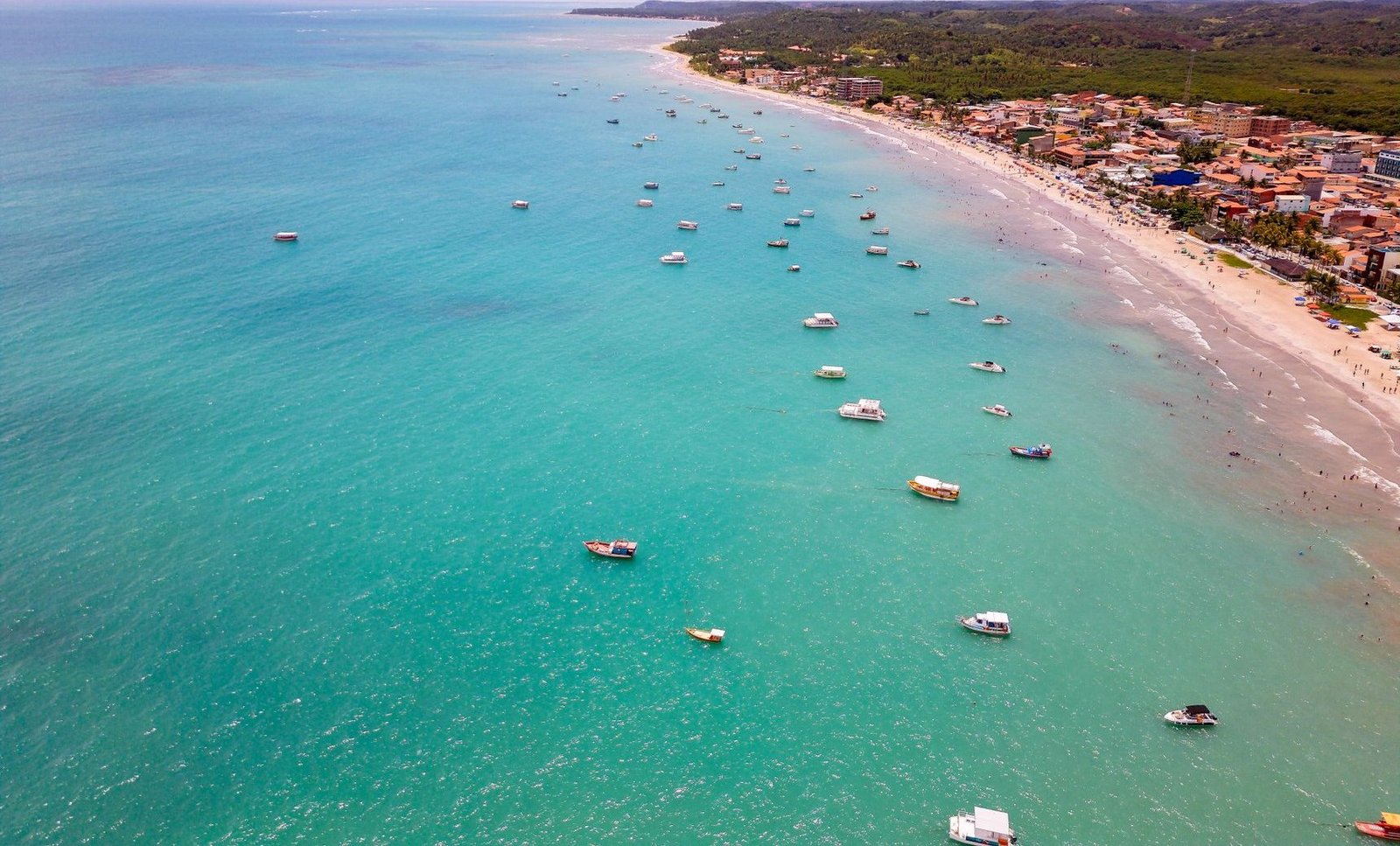
What Makes Tartaruga Beach Different
Búzios has beaches for every profile, and Tartaruga fills a specific niche: it’s peaceful without being isolated. You’ll find kiosks with beach chairs, snacks, and ice-cold beer—no need to haul everything in your bag like at the peninsula’s wilder beaches. At the same time, it doesn’t have the noise and crowds of Geribá on a summer day.
The stretch of sand is relatively narrow and the beach isn’t long, which creates a more intimate feel. On high-season weekends the beach gets busy, but the pace never reaches the chaos of some better-known spots. On weekdays outside summer, you can spend the whole morning without the sand ever feeling packed.
The name “Tartaruga” comes from the area’s historical association with sea turtles. Sporadic sightings still happen, but don’t expect to find turtles often—decades of development along the peninsula have greatly reduced that possibility. What remains is the name and the memory of what the region once was.
How to Get to Tartaruga Beach
By Car
The most direct route from central Búzios goes past Rua das Pedras, heads south along Avenida José Bento Ribeiro Dantas (the peninsula’s main road), then takes one of the streets that descends toward the Ferradura and Tartaruga area. The total drive is under 4 km and takes less than ten minutes in normal traffic. There’s a small parking lot near the beach that can fill up on summer weekends—arrive before 10 a.m. to grab a spot easily.
If you’re staying around João Fernandes or the northern part of the peninsula, you’ll take a different route through the center—still under 15 minutes by car. GPS works well in Búzios and will find the beach without trouble.
By Taxi, Uber, or Mototaxi
Uber and taxis easily cover the route from the center to Tartaruga for a low fare. Mototaxis are also a common option in Búzios for short trips—cheaper, but weigh the comfort factor before hopping on with a backpack and beach gear. For the way back, ride-hailing apps work fine during the day, but on high-season weekends it can take a few minutes for a driver to appear in the area.
What You’ll Find at the Beach
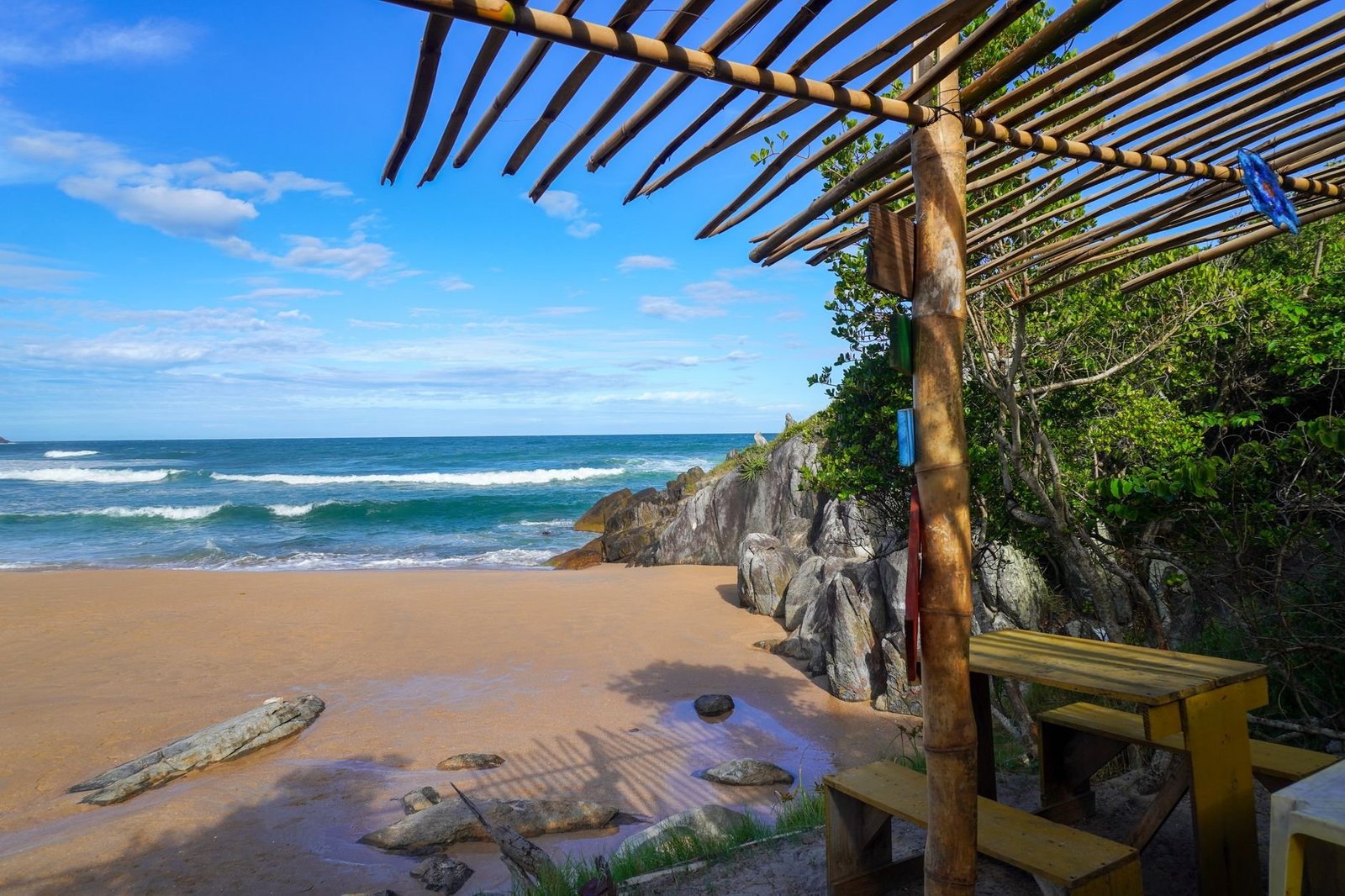
The Sand and the Sea
Tartaruga’s sand is light and fine, with no rocks on the way to the water—great for kids and for anyone who prefers an obstacle-free entry into the sea. The water stays shallow and calm near the shore, deepening gradually. On days with strong south winds, small ripples appear, but rarely enough to churn up the sea in this part of the peninsula.
Underwater visibility is usually good when the sea is calm—you can clearly see the sandy bottom and the rocks at the beach’s ends. A simple snorkel is all you need to explore. Colorful little fish and the occasional starfish live among the rocks on the sides.
Kiosks and Amenities
Tartaruga has kiosks that rent beach chairs and umbrellas and serve drinks, seafood, and snacks. The service is relaxed, without the formality of Rua das Pedras restaurants. Confirm prices before ordering—the practice of charging for chair space varies between kiosks and can catch newcomers off guard.
There’s no pharmacy or store nearby, so bring everything you need: sunscreen, water, and snacks for a full day. The nearby parking lot sometimes has vendors selling water and snacks in summer, but it’s not guaranteed.
Best Time of Day and Year to Visit
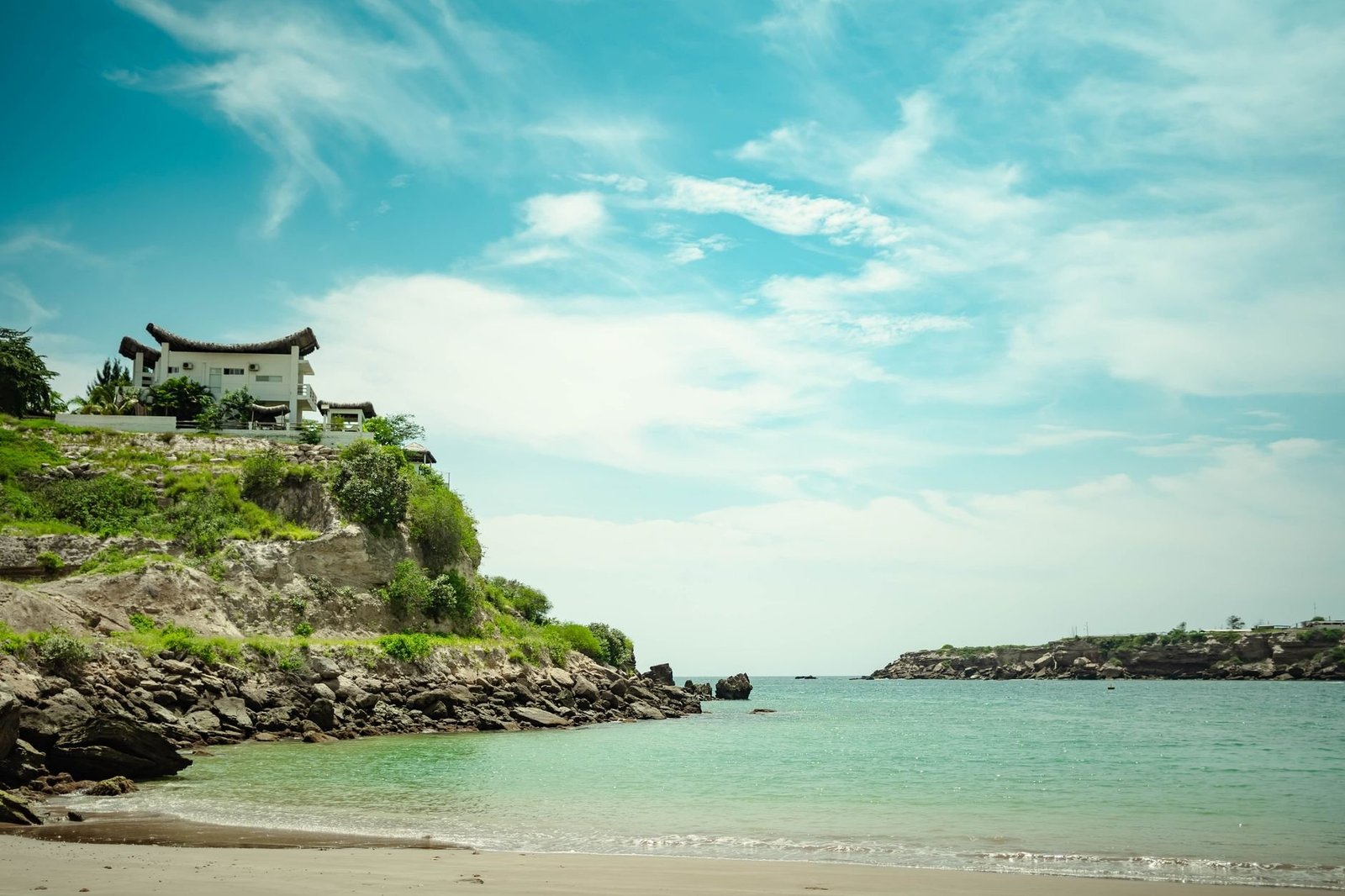
Ideal Time of Day
Tartaruga Beach faces the peninsula’s south side, which means the sun hits it well in the morning and early afternoon. Arriving around 9 a.m. gets you a still-quiet beach, calmer water (the wind tends to pick up in the afternoon), and a chair without any competition. After 2 p.m., the wind usually increases and the sand starts heating up—sun-sensitive folks prefer that time just for swimming.
In summer, shade from the rocks on the beach’s sides arrives around 4 p.m. in some sections. If you want full sun for tanning, a summer afternoon at Tartaruga can be tricky—the sun disappears before sunset on the beach’s southern end.
Best Time of Year
Like the rest of Búzios’ beaches, Tartaruga gets busiest in summer (December to March). On January and February weekends, arrive before 9 a.m. or risk not finding comfortable space. October, November, and April offer excellent weather with far fewer people. Winter (June to August) brings slightly choppier water than summer, but still calm by Búzios standards—and the beach is practically empty on weekdays.
Nearby Beaches to Round Out Your Day
Tartaruga’s location on the south side makes it easy to combine with other beaches on the same outing. Ferradura Beach is just a few minutes’ drive away—crescent-shaped, with even more protected water and a solid lineup of kiosks. It’s a favorite for those visiting with young kids. Ferradura and Tartaruga together make for a full day without crossing the peninsula.
A bit further north, João Fernandes and João Fernandinho offer equally calm water and great snorkel visibility. If you want variety in one day, starting at Tartaruga in the morning and finishing at João Fernandes in the afternoon is a combo that works well. The schooner tour that leaves from Orla Bardot passes by Azeda and Azedinha—small boat-only beaches near this part of the peninsula—and is a great alternative for seeing multiple beaches without driving.
Where to Eat Near Tartaruga Beach
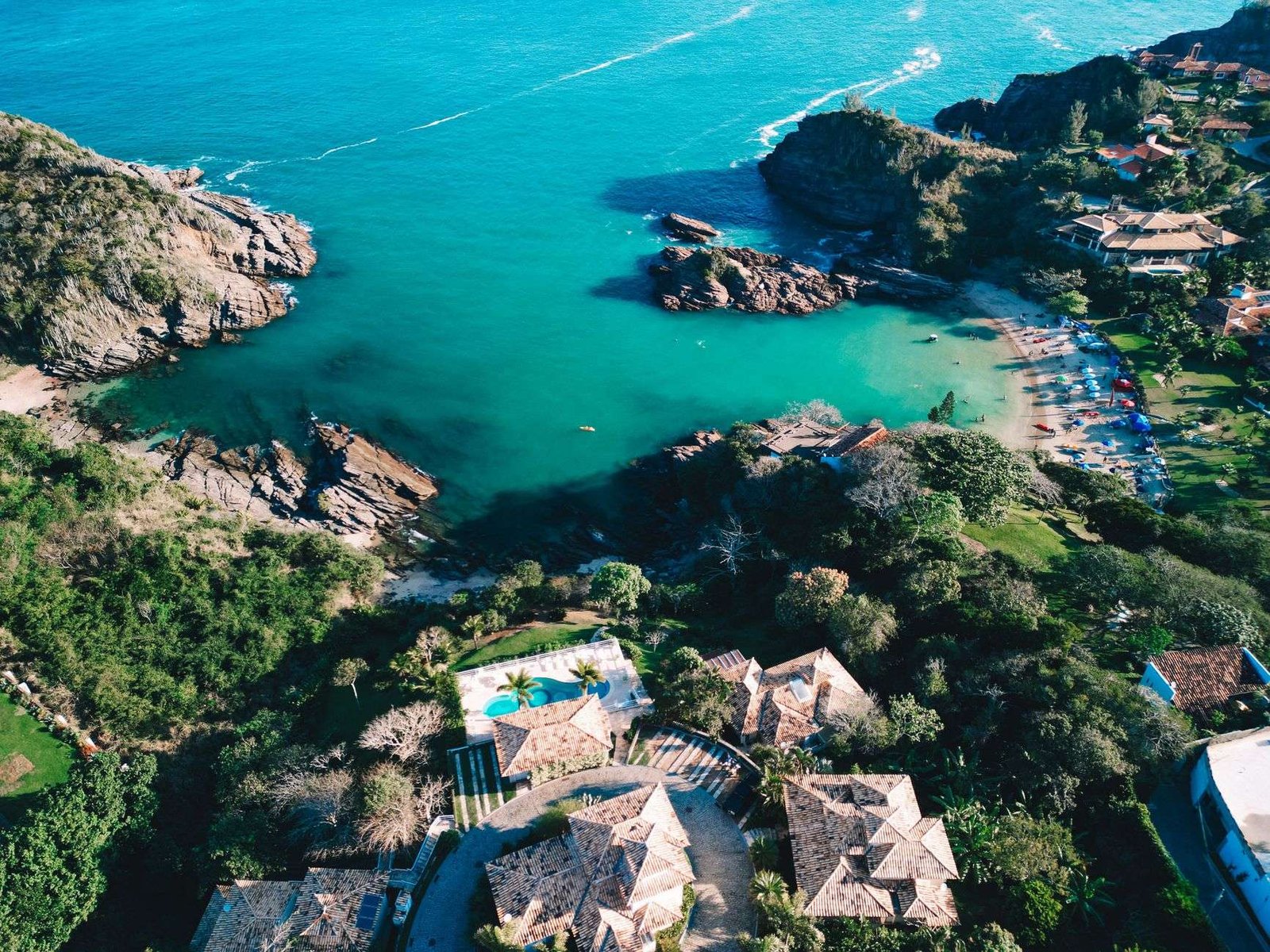
The beach’s own kiosks cover the basics for lunch: seafood, skewers, and drinks. For a fuller meal, the area near Ferradura has a few mid-to-upscale restaurants with fish and shellfish menus. Prices in this region tend to run slightly lower than on Rua das Pedras, but still reflect Búzios’ premium positioning.
If you’d rather eat in the center and then spend the afternoon at Tartaruga, you’re following the combo most used by visitors staying several days in Búzios: morning at the beach, lunch on Rua das Pedras, then back to the beach for the afternoon. The drive between the center and Tartaruga is short enough not to wear out that rhythm.
Practical Tips Before You Go
Bring cash. Tartaruga’s kiosks don’t always have a working card machine, especially on busy days. Around R$100 to R$150 in cash will cover your day without stress.
Snorkeling is worth it. If you have a mask and snorkel, bring them — renting on the beach costs more and the gear quality is hit or miss. The visibility makes the extra carry totally worth it.
Sunscreen is non-negotiable. The sun in Búzios is intense year-round. SPF 50+ sunscreen, a hat, and water are the three things nobody should leave behind. In the summer months, the UV index can top 10 in the middle of the day.
Arrive early on weekends. Tartaruga is smaller than Geribá — it can’t absorb big crowds as easily. Getting there before 9:30 a.m. on weekends from December through February makes a real difference in how comfortable your day feels.
Frequently Asked Questions About Tartaruga Beach
Does Tartaruga Beach have restrooms and showers?
The kiosks usually have restrooms for customers, and some have an outdoor shower. There’s no standalone public facility — the amenities depend on which kiosks are open that day.
Can you snorkel without your own gear?
Some kiosks rent out basic equipment, but availability varies. To be safe, bring your own. Visibility around the rocks on the sides is usually good when the sea is calm.
Can you walk there from Rua das Pedras?
On foot, it’s a long haul with beach gear — more than 3 km along roads with no sidewalks. A car or taxi is the practical option. Walking only makes sense if you’re staying near Ferradura.
Is the beach good for kids?
Yes. The water entry is gradual, the sea stays calm most days, and there’s no strong current in this part of the peninsula. It’s one of the most recommended beaches in Búzios for families with young children, right up there with Ferradura.
Can you actually see turtles at Tartaruga Beach?
Sporadic sightings do happen, but they’re rare and unpredictable. The name honors the historical presence of sea turtles in the area, not a guarantee you’ll spot one. Don’t plan your visit around that expectation.
Tartaruga Beach works great as the anchor of a laid-back day in Búzios — especially if you’ve already done the schooner tour and want a calm beach the next day. If you’re planning to explore more of the Lakes Region beyond Búzios, Arraial do Cabo and Cabo Frio are less than an hour’s drive away and round out the itinerary nicely.