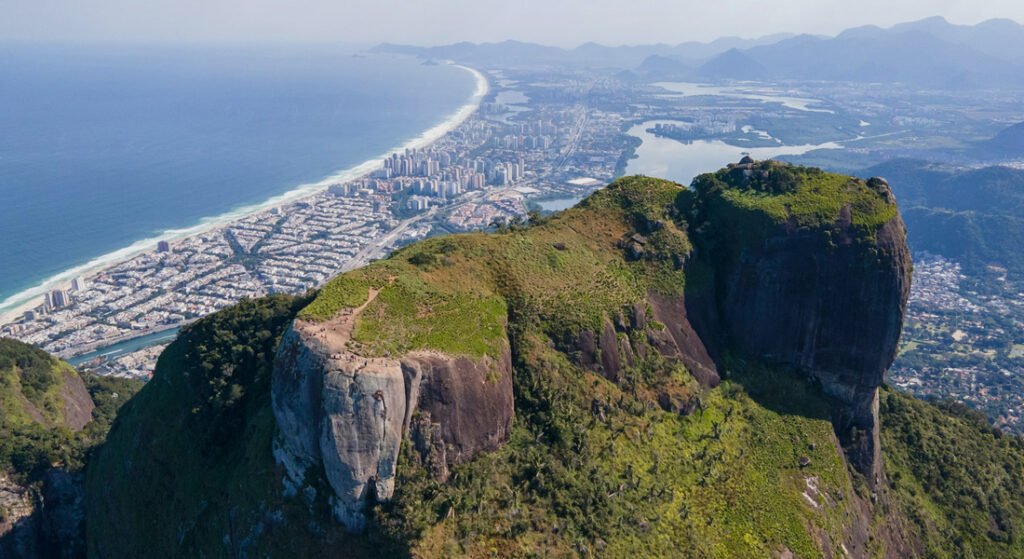
Pedra da Gávea is one of the most iconic and intriguing rock formations in Rio de Janeiro, a major draw for adventurers and nature lovers alike. Standing at an impressive 844 meters (2,769 feet) tall, this mountain, located within Tijuca National Park, offers one of the city’s most challenging trails—but with equally fascinating rewards: breathtaking views of the Rio coastline and complete immersion in the rich biodiversity of the Atlantic Forest.
Dica: Aproveite também para fazer estes passeios no Rio de Janeiro
Cristo Redentor de trem e tour pelo Rio de janeiro. Duração: 4 horas
Passeio grátis pelo centro histórico do Rio e Lapa. Duração: 3 horas
Free tour pelo bairro de Santa Teresa. Duração: 2h 30m
Amanhecer no mirante de Dona Marta + Cristo Redentor Duração: 4 horas
Veja todos os passeios e tranfers no Rio de Janeiro
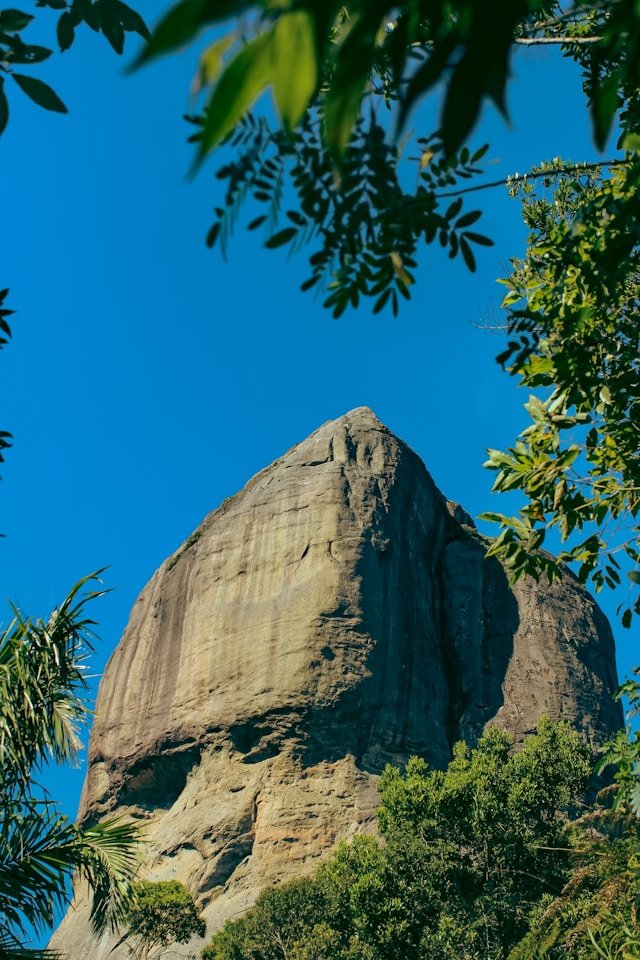
It is considered one of the largest seaside monoliths in the world.
Beyond being a must-visit destination for those seeking a unique experience, Pedra da Gávea also carries an aura of mystery, fueled by legends and stories surrounding its curious rock formation that resembles a carved face. Throughout this article, you’ll discover its main geographical features, legends, safety tips, and why this trail should be at the top of your adventure list when visiting Rio de Janeiro.
Location and Geographical Features of Pedra da Gávea
see here all attractions, tours, and transfers in Rio de Janeiro
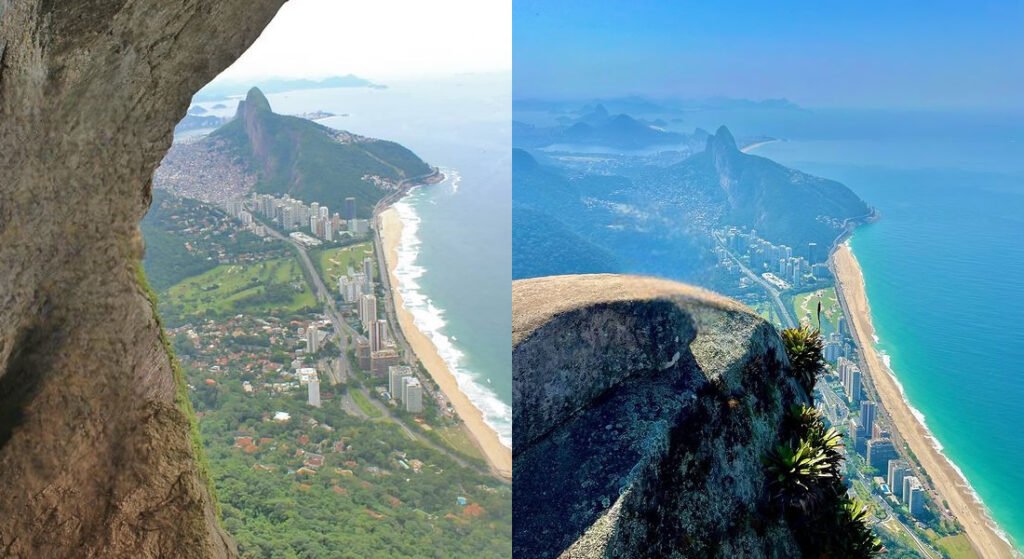
Located in the heart of Rio de Janeiro’s South Zone, Pedra da Gávea sits in the Barra da Tijuca region, near the São Conrado neighborhood. Its privileged position offers visitors a unique panoramic view of various parts of the city, including Ipanema beach, Sugarloaf Mountain, Guanabara Bay, and the Tijuca Forest. Composed of granite and gneiss, this rock formation is considered one of the largest seaside monoliths in the world, which only adds to its allure for geologists and tourists alike.
One of the trail’s most iconic and challenging points is the section known as “Carrasqueira“
The geography of Pedra da Gávea is complex, with steep sections and climbs that challenge even the most experienced adventurers. However, the trail’s difficulty is more than compensated by the lush scenery and stunning views that unfold along the way. It’s worth noting that this hike demands solid physical and mental preparation, making it best suited for those who already have some experience with long, steep treks.
Rio de Janeiro: History and Legends of Pedra da Gávea
Pedra da Gávea isn’t just famous for its natural beauty; it’s also shrouded in a series of myths and legends. One of the most popular stories revolves around the supposed existence of Phoenician inscriptions on the rock, suggesting the mountain may have been explored by ancient civilizations long before European colonizers arrived. Although this theory has never been scientifically proven, it continues to spark the curiosity of archaeology buffs and enthusiasts.
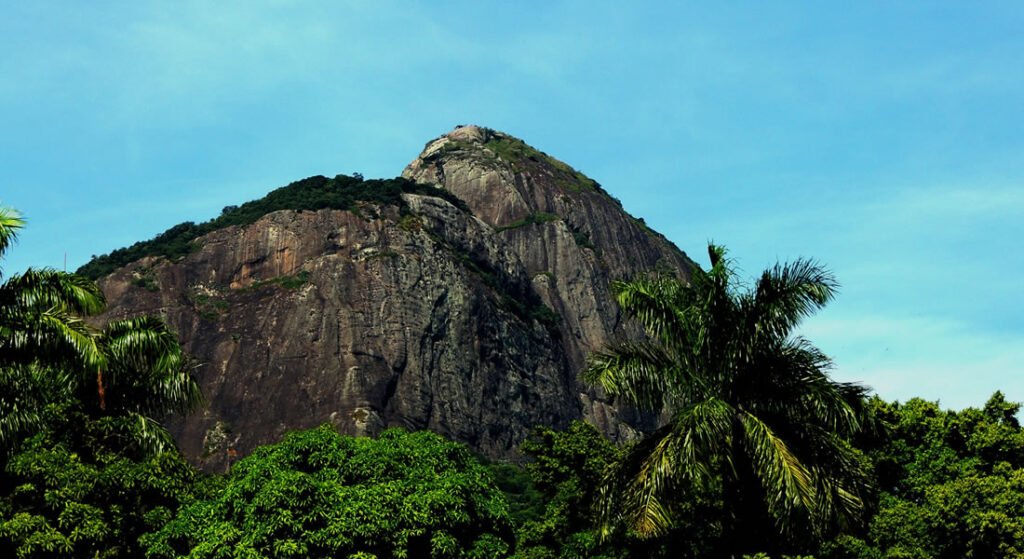
Another widely spread myth is that of the “giant’s head”, a natural formation on the mountain’s face that resembles a human visage. Many believe this face would be a sculpture carved by ancient peoples, but again, there is no concrete evidence to support that theory. These legends, however, add to the place’s mystique, making the experience of climbing Pedra da Gávea even more thrilling and full of curiosity.
Trail Difficulty and Duration
The Pedra da Gávea trail is considered one of the most challenging in Rio de Janeiro, with sections involving rock climbing and steep inclines. The total route is about 3 kilometers, and the ascent can take anywhere from 3 to 4 hours, depending on the pace and physical condition of the participants. However, the descent also requires attention and care, especially in areas with significant elevation changes.
One of the most iconic and challenging points on the trail is the section known as “Carrasqueira“, where adventurers must climb a vertical rock wall using their hands and feet. Although it may seem intimidating, this section can be safely tackled by those who follow the proper guidelines and use appropriate equipment.
Best Times to Visit Pedra da Gávea
Although Pedra da Gávea can be visited year-round, the best times to tackle the trail are during fall and winter, between April and August, when the weather is milder and there’s less chance of rain. During the summer, the heat can be an obstacle, also increasing the risks of dehydration and heatstroke. It’s always important to check the weather forecast before starting the trail, as reduced visibility from fog or rain can make the route more dangerous.
Safety and Preparation Tips for Gávea
Before embarking on the adventure to the top of Pedra da Gávea, it’s essential that visitors come well-prepared. Start by wearing light, comfortable clothing, along with proper hiking footwear with good grip. Always carry a backpack with essential items, such as water (at least 2 liters per person), light snacks, sunscreen, a cap, insect repellent, and a flashlight in case the trail extends into the late afternoon.

If you don’t have experience with trails that involve climbing, consider hiring a specialized guide. Several tourism companies offer this service, ensuring greater safety and knowledge of the route. Additionally, it’s recommended to avoid hiking alone, as in the event of an accident, rescue can be complicated in remote areas of the mountain.
Panoramic Views and Points of Interest
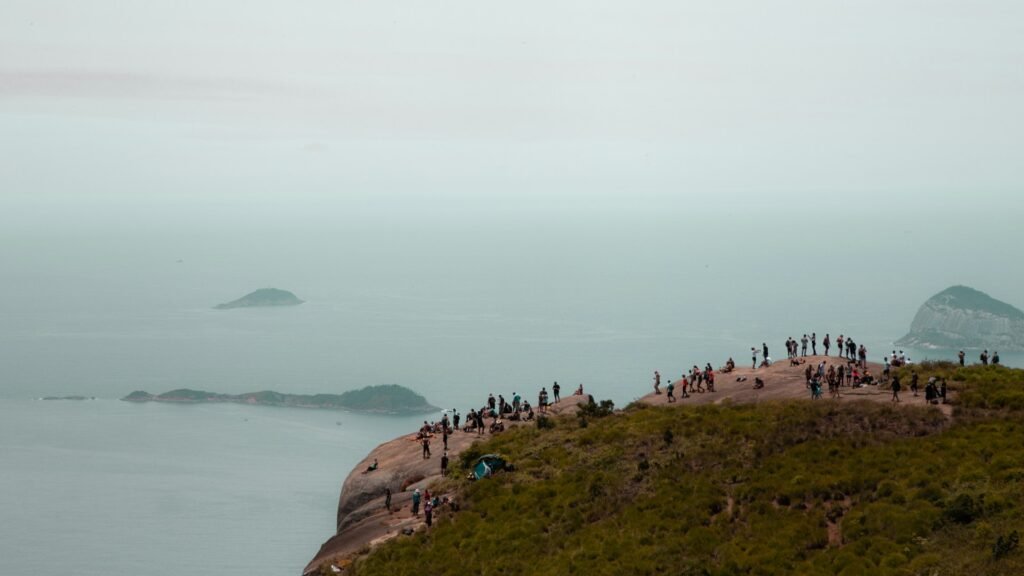
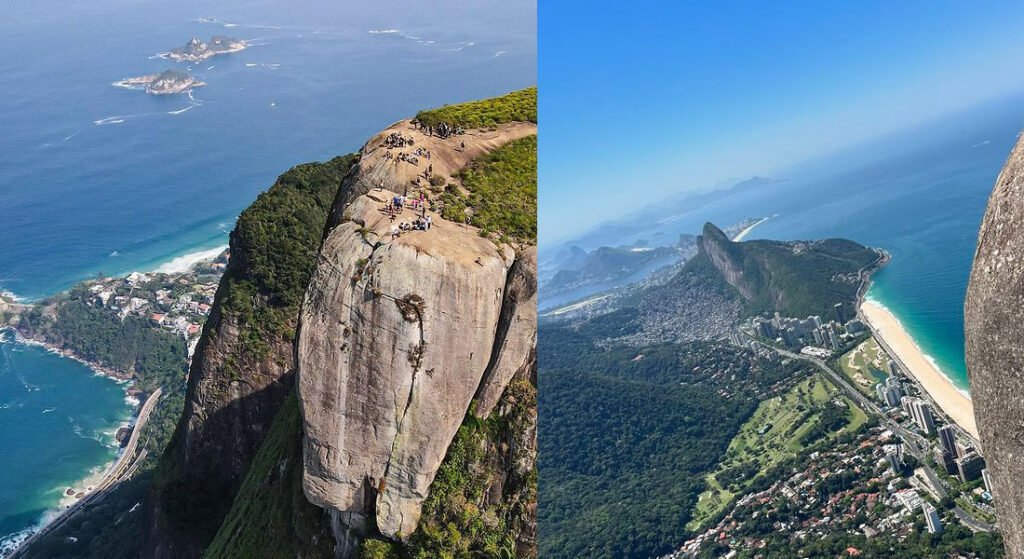
One of the great rewards of completing the Pedra da Gávea trail is the stunning views that unfold at the top. The feeling of being at the city’s highest point, with the horizon stretching in every direction, is truly incomparable. From the summit, you can spot São Conrado Beach, Pedra Bonita, the Cagarras Islands, and even the Serra dos Órgãos mountain range on clear days.
Beyond the panoramic view, the trail itself offers points of interest, such as small waterfalls, natural viewpoints, and intriguing rock formations. These moments along the way make the hike even more rewarding and help connect visitors with the surrounding nature.
Gávea and the Region’s Fauna and Flora
The Pedra da Gávea trail is set within the Atlantic Forest biome, one of the richest and most biodiverse ecosystems in Brazil. Along the route, you can observe a variety of native plants, such as bromeliads, ferns, and orchids, as well as centuries-old trees that make up the landscape.
The fauna is also quite diverse. With some luck, visitors can spot animals like marmosets, toucans, coatis, and even small snakes, which are part of the forest’s natural balance. It’s important to remember that we are just visitors in this habitat, so avoid making excessive noise and never feed the animals.
The Ecological and Cultural Importance of Pedra da Gávea
Beyond being a standout tourist attraction, Pedra da Gávea holds great ecological and cultural significance. It is part of the Tijuca National Park, a vital environmental preservation area for maintaining local biodiversity and the city’s climate balance. Visiting Pedra da Gávea is an opportunity to raise awareness about the importance of environmental conservation, promoting responsible and sustainable tourism.
Culturally, Pedra da Gávea also holds a special meaning for cariocas, representing the city’s connection to the lush nature that surrounds it. For many, climbing the mountain is a rite of passage, a way to challenge oneself both physically and spiritually.
Unique Experiences at Pedra da Gávea
Visiting Pedra da Gávea is more than just a hike; it’s an immersive experience that involves physical challenges, a deep connection with nature, and the chance to soak in unique views of the city. When you reach the top, you’re not only greeted by one of Rio de Janeiro’s most beautiful landscapes, but you also feel a profound sense of accomplishment.
Every trail, every obstacle overcome, and every new vista reached makes this one of the most unforgettable experiences you can have in Rio. Pedra da Gávea is, without a doubt, a destination that awakens the adventurous spirit and creates memories to last a lifetime.
A Natural and Cultural Heritage
Pedra da Gávea is much more than a tourist spot. It’s an important natural and cultural heritage site that needs to be preserved for future generations. Visiting the mountain should be done responsibly, avoiding the removal of any natural materials and respecting the local fauna and flora.
Pedra da Gávea: Practical Information
- Opening hours: Visiting Pedra da Gávea is allowed every day, from 8 am to 5 pm.
- How to get there: The trailhead for Pedra da Gávea is located inside the Tijuca National Park. You can reach the starting point by car or bus.
- Tour guide: Hiring a tour guide is highly recommended, especially for those without hiking experience.
- Gear: In addition to appropriate clothing and footwear, it’s important to bring water, sunscreen, insect repellent, snacks, and a first-aid kit.
- Safety: Always follow your guide’s instructions and don’t venture off on unmarked trails.
Rio Without Gávea Is Missing a Stone
Pedra da Gávea is much more than an imposing rock formation; it’s an icon of adventure tourism in Rio de Janeiro. Its natural beauty, combined with the legends and stories that surround the site, makes visiting and climbing the mountain a truly unique adventure. For those seeking a challenge that combines physical effort, incredible views, and a deep dive into the rich biodiversity of the Atlantic Forest, Pedra da Gávea is the ideal destination. When planning your next trip to Rio de Janeiro, be sure to add this trail to your list and get ready for an unforgettable adventure.
Frequently Asked Questions about Pedra da Gávea
How much does it cost to climb Pedra da Gávea?
The good news is that visiting Pedra da Gávea is free! There is no entrance fee to access the trail. However, it’s important to note that you’ll need to cover your own transportation and food costs, and, if you prefer, hire a tour guide.
How many hours does it take to climb Pedra da Gávea?
The duration of the hike can vary depending on your physical condition and walking pace. On average, the ascent takes about 3 hours and the descent, 2 hours. It’s important to consider that there are different routes with varying levels of difficulty.
Is it dangerous to climb Pedra da Gávea?
The Pedra da Gávea trail requires good physical preparation and attention, as it has steep and rocky sections. It’s essential to wear appropriate footwear, bring water, and follow your guide’s instructions. Despite the risks, the trail is considered safe when done with proper care.
Do you have to pay to go to Pedra da Gávea?
As mentioned earlier, there is no entrance fee to access the Pedra da Gávea trail. Access is free for everyone.
How to visit Pedra da Gávea?
- The trail entrance is at Barinha (Estrada Sorimã), between the São Conrado and Barra da Tijuca neighborhoods.
- By car: Access Estrada do Sorimã and park near the trailhead.
- By bus: Take a bus that passes through the Itanhangá neighborhood and continue to Praça Prof. Velho da Silva, where the trail begins.
- Remember to respect the visiting rules, finishing the trail by 5 pm and avoiding camping at the summit.
Visiting Rules: Preserving Paradise
When planning your visit to Pedra da Gávea, it’s essential to be aware of the rules established by the Tijuca National Park. These regulations aren’t just formalities; they are crucial measures for preserving this natural treasure and ensuring the safety of all visitors.
Visiting Hours: One of the most important rules to observe is the visiting hours. All adventurers must complete the trail by 5 pm, with the start time at 8 am. This means you need to pass through the park entrance by that time, as that’s when the area is closed. Plan your journey wisely, considering the time needed for the ascent, enjoying the summit, and a safe descent.
No Overnight Stays: While the idea of camping under the stars at the top of Pedra da Gávea might seem tempting, it is strictly forbidden to stay overnight. This rule exists for two main reasons:
- Safety: The risk of accidents increases significantly during the night.
- Environmental Preservation: The summit of Pedra da Gávea is home to several species of endangered plants. Camping can cause irreparable damage to this delicate ecosystem.
No Pets: As much as we love our pets, domestic animals are not allowed on the trail. This rule aims to protect the park’s rich biodiversity. Domestic animals can:
- Transmit diseases to local wildlife
- Hunt or scare away native species
- Cause damage to the flora
Respecting these rules is our responsibility as conscious visitors. By following these guidelines, you not only ensure your own safety but also contribute to the conservation of this unique environmental heritage for future generations.
Remember: Pedra da Gávea isn’t just a tourist destination; it’s a living, delicate ecosystem. Every respectful visit is a step towards ensuring this natural paradise continues to enchant and challenge adventurers for years to come.