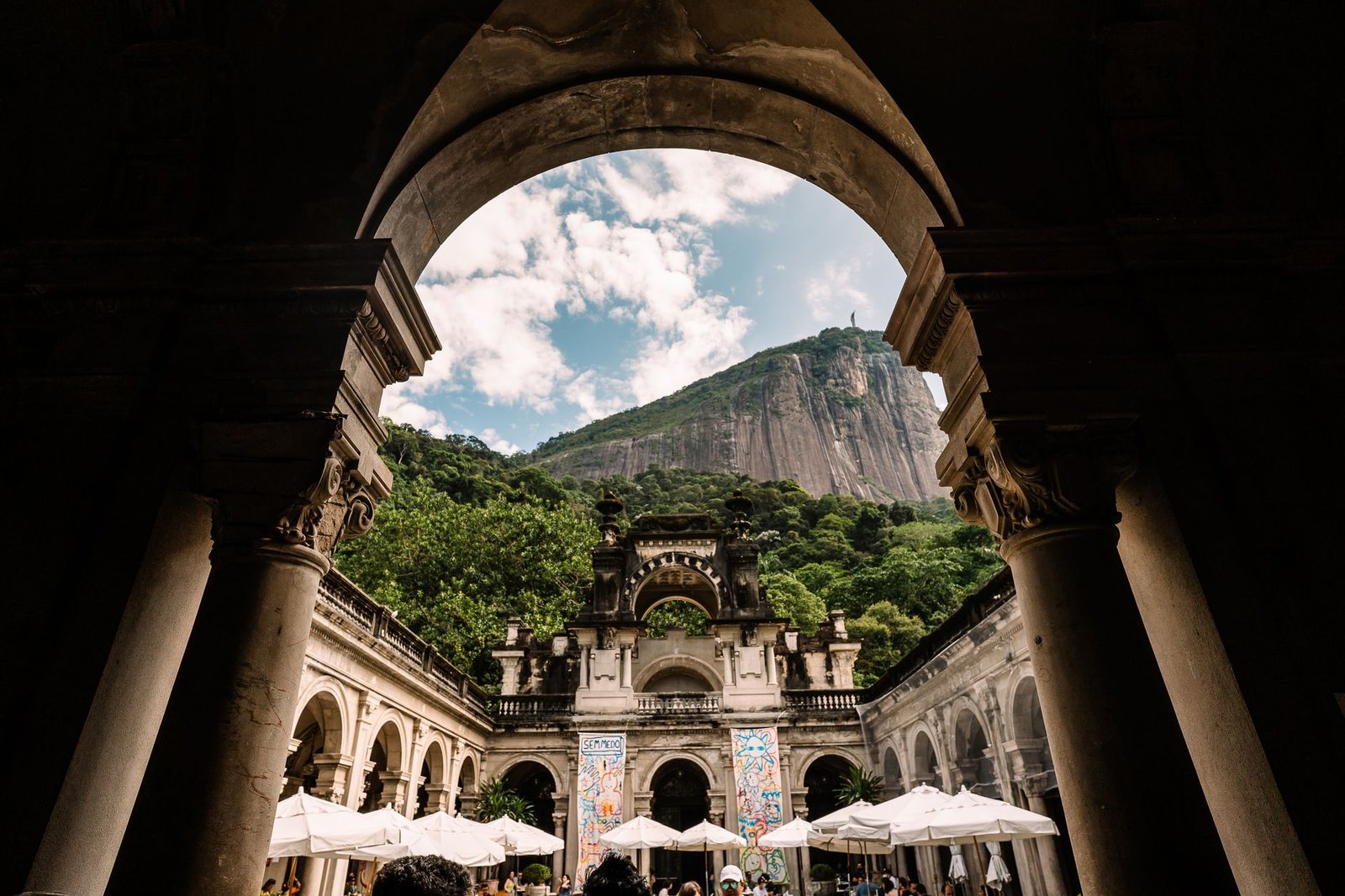
A Hidden Gem in Rio’s South Zone
If you think you’ve seen all the tourist attractions Rio de Janeiro has to offer, you haven’t visited Parque Lage yet. Tucked at the foot of Corcovado, between the forest and the modern city, this place is a perfect blend of history, nature, and art that few tourists know about—and that’s a stroke of luck for those who discover it. It’s not an iconic monument like Christ the Redeemer or Sugarloaf Mountain, but it has a magic all its own that can make any trip unforgettable.
In this guide, you’ll find out why Parque Lage is a treasure of Rio and how to make the most of your visit, whether you’re looking to relax at the café, explore the trails, or check out the local art school.
Dica: Aproveite também para fazer estes passeios no Rio de Janeiro
Cristo Redentor de trem e tour pelo Rio de janeiro. Duração: 4 horas
Passeio grátis pelo centro histórico do Rio e Lapa. Duração: 3 horas
Free tour pelo bairro de Santa Teresa. Duração: 2h 30m
Amanhecer no mirante de Dona Marta + Cristo Redentor Duração: 4 horas
Veja todos os passeios e tranfers no Rio de Janeiro
The History of Parque Lage: From Mansion to Tourist Attraction
Parque Lage started as the private dream of a millionaire. In the early 20th century, Henrique Lage, a coffee industry tycoon, commissioned a neoclassical mansion to be built on the slopes of Corcovado, with sweeping views over Rio’s South Zone. It was the home of a wealthy man, surrounded by carefully planned gardens and fed by a small dam that created artificial lakes.
But the story didn’t end there. Decades later, the space went through changes. Today, the original mansion is the centerpiece of a public park that uniquely blends history, nature, and art. It’s strange and beautiful at the same time: a space that preserves the elegance of the past while opening itself up to the present.
The property was divided between Parque Lage proper (the area open to the public) and the Escola de Artes Visuais (School of Visual Arts), an educational institution housed in the historic buildings. The two share the same grounds, creating an interesting coexistence between tourists, artists, and students.
The Historic Palace and the Café: Elegance in the Middle of the Forest
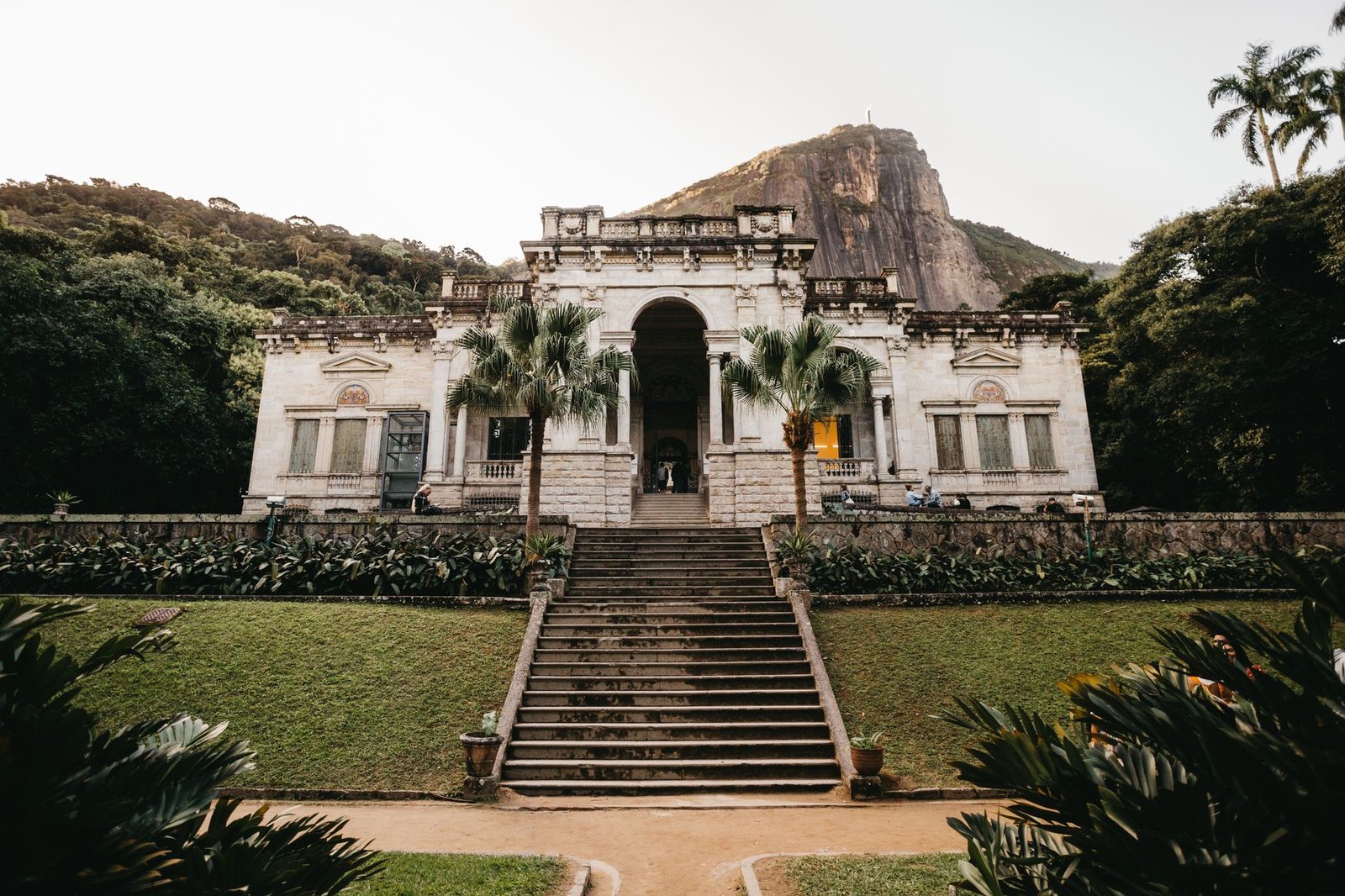
The mansion is the heart of Parque Lage. With its white columns, imposing staircases, and architecture that harkens back to the Belle Époque, the building looks like it’s from another time. When you arrive, you feel like you’ve stepped through a portal that takes you back to the early 20th century, even as the city hums below at Lagoa Rodrigo de Freitas.
Inside the palace, there’s a café that’s as much an attraction as it is a great reason to spend an entire afternoon in the park. This isn’t your average coffee shop: it’s an airy space with tables spread across the rooms of the old palace, surrounded by art exhibitions on the walls. You can sip a coffee or a juice, enjoy a slice of homemade cake, all with Guanabara Bay as your backdrop. There are often photography or visual arts exhibitions happening in the galleries.
What makes the café so special is the combination: you’re inside a historic building, in the middle of an urban forest, with art all around you and nature on every side. It’s not overly touristy, nor so hidden that it feels inaccessible. It’s balanced, authentic.
Trails and Nature: Paths Up Corcovado
Parque Lage covers an area of over 52 hectares, and most of it is covered by the Tijuca Forest. For those who want to stretch their legs, there are several well-marked trails. The most famous is the one that leaves the park and climbs towards Christ the Redeemer—yes, you can actually start your ascent of Corcovado from here.
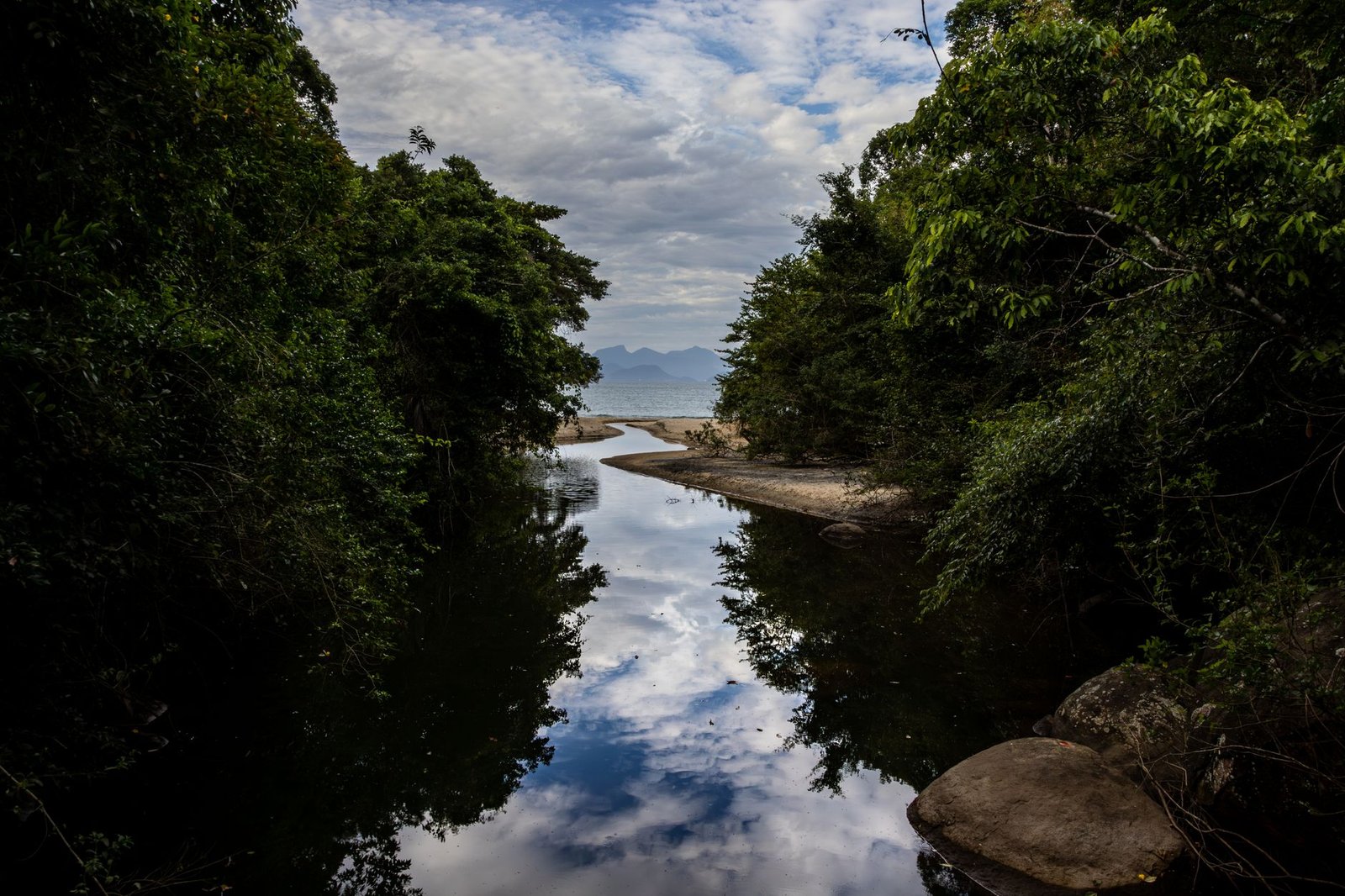
The main trail leaving Parque Lage is moderate, ideal for those who don’t want something too demanding but still want to get out of their comfort zone. It winds through lush Atlantic Forest vegetation, crosses small streams, and offers a few viewpoints with interesting vistas. If you keep climbing, you’ll end up at a place called Paineiras do Corcovado, where you can catch the train to reach the top of Christ the Redeemer.
But not everyone who comes to Parque Lage wants to hike all the way up. Many come just to stroll through the park, admire the forest around the café, take photos, and relax. That’s totally valid—the park is big enough to be explored in different ways, depending on your interests and energy levels.
The School of Visual Arts and the Art Scene
Inside the buildings of Parque Lage, you’ll find the Escola de Artes Visuais do Rio de Janeiro (Rio’s School of Visual Arts), a respected institution that attracts artists and students from all over. This means the place is always buzzing: there are frequent exhibitions, student work scattered throughout the spaces, and classes happening in the studios. For the tourist, this can be a real treat—you get to see art being created and exhibitions that change regularly.
Walking through the park while a class is in session or an exhibition is being set up gives you a special feeling of being in a living, breathing place, not just a historical one. It’s different from a static museum. You can feel the creative energy of the space.
Practical Tips for Visiting Parque Lage
How to Get There
Parque Lage is located on Rua Marquês de São Vicente, in the Gávea neighborhood. The most common way to get there is by car or taxi/Uber, as public transport access is a bit complicated. If you’re staying in the South Zone (Copacabana, Ipanema, Leblon), it’s not too far—expect a 15 to 25-minute ride depending on traffic.
If you prefer public transport, you can catch a bus heading to Gávea (there are several lines), but be aware that it might not drop you right at the main entrance. Many locals and tourists prefer Uber because it’s more predictable and drops you right at the door.
Hours and Admission
Parque Lage is open Tuesday through Sunday, generally from 8 AM until late afternoon (exact hours vary by season). It’s closed on Mondays. Admission is free, which makes it even more appealing. If you want to grab something at the café, prices are reasonable for such a special place—a coffee runs between R$5 and R$10, and pastries and cakes between R$10 and R$20.
Be sure to check the venue’s schedule beforehand, as there are sometimes special events, classes, or major exhibitions that might affect access to certain areas.
Best Time to Visit
The best times to visit are mid-morning, around 10 AM, or late afternoon, between 3 PM and 5 PM. The park closes early in the evening. Avoid the middle of the day during summer (December to February), as the heat can be intense and the trails are very exposed to the sun.
If you want to hike the trails, start early to give yourself enough time and daylight to finish. If you just want to relax at the café and enjoy the view, any time works, but the golden light of late afternoon makes for much prettier photos.
What to Bring and How to Prepare
Bring water—lots of water. If you plan on hiking the trails, wear comfortable sneakers and appropriate walking clothes. Sunscreen is essential, even on cloudy days. Also, pack some insect repellent if you’re visiting during a time when bugs are more active.
The forest at Parque Lage is humid, so trails can get slippery after rain. If the weather is bad, it’s not the best day for hiking, but the café and the main park area remain accessible and beautiful.
Photography and the Vibe of Parque Lage
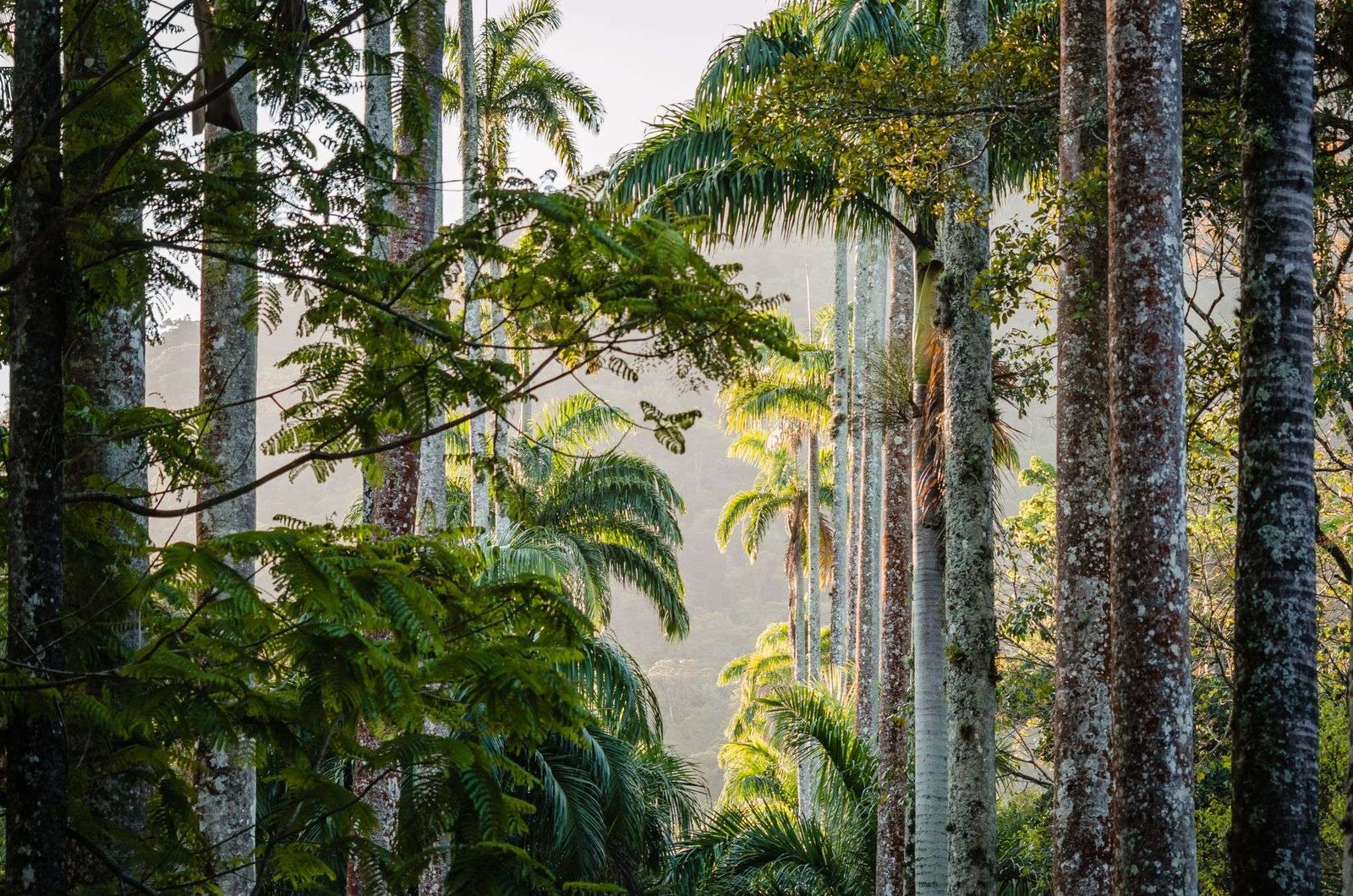
It’s true, Parque Lage has become a popular spot for photography. The palace staircases, the gardens, the view of the city below—everything is photogenic. If you’re the type who loves taking pictures, come prepared: the place offers dozens of interesting angles.
The best shots come during the quieter hours (early morning) and in the golden light of late afternoon. The palace looks especially beautiful photographed from the front, with its columns clearly defined. The internal trails also offer great shots of urban forest and small streams.
If you’re traveling with friends or a partner, it’s a fantastic place for those couple or group photos that look like they’re straight out of a magazine. Keep that in mind when planning your trip.
Frequently Asked Questions About Parque Lage
How much time should I spend at Parque Lage?
If you just want to explore the main park and grab something at the café, 1 to 2 hours is enough. If you want to hike the trails, set aside 2 to 4 hours, depending on your pace and how many trails you want to do. If you’re thinking about hiking up to Paineiras to catch the Corcovado train, you’ll need another 2 to 3 hours on top of that.
Can I bring my own food?
Officially, the park allows you to bring your own picnic. There are areas with benches and tables scattered throughout the park where you can sit and eat comfortably. It’s a great option if you want to save some money and enjoy a day outdoors with a view.
Is the Park Safe?
Yes, Parque Lage is a well-maintained and well-frequented space. During the day, there are no issues. At night, as anywhere in Rio, it’s good to stay alert. We don’t recommend walking alone on the trails at dusk.
Can I Go with Kids?
Yes, it’s a great place to bring children. The park is spacious, with room to run and explore, the light trails are safe, and the café has juice and snack options for kids. The palace staircases feel like a playground for little ones. Just keep an eye on them on the steeper trails.
Combining Parque Lage with Other Attractions
If you have a full day available, you can combine Parque Lage with a visit to Christ the Redeemer. Start early at the park, explore the trails up to a certain height, then hop on the Corcovado train to reach the top. This offers a more complete experience of the Tijuca Forest and Corcovado region.
You can also pair it with Paineiras (the viewpoint before reaching Christ the Redeemer), or visit Botafogo and the nearby Gávea neighborhood in the same afternoon.
If you’re staying in Copacabana or Ipanema, Parque Lage is an easy stop on a South Zone sightseeing itinerary.
Why Visit Parque Lage Even If You Already Know Rio
Parque Lage isn’t an attraction that shows up in every travel guide. It’s the kind of place locals know well — it’s a local refuge — but that many tourists pass by. That’s exactly what makes it special. You’re away from the chaos of Copacabana, you can breathe in fresh forest air, enjoy a specialty coffee with a view, and still be close to one of Brazil’s most famous landmarks.
If you’ve already visited Christ the Redeemer and Sugarloaf Mountain, Parque Lage offers a different perspective on Rio — one that blends nature, history, and art. It’s not just about snapping photos next to monuments; it’s about experiencing Rio in a more intimate way.
Conclusion: Your Next Stop in Rio
Parque Lage is one of the most underrated places in Rio de Janeiro. Combining history, nature, art, and that relaxing vibe we all look for on a trip, it’s a place that deserves a spot on every city itinerary.
If you’re in Rio with a few free hours, especially if you’re exploring the South Zone or thinking about visiting Corcovado, make a detour to Parque Lage. Climb the staircases of the historic palace, feel the forest breeze, enjoy a coffee with a view. Then tell me if it isn’t true that this place has a special charm that few others in Rio can match.