Picture yourself walking along trails surrounded by lush vegetation, listening to the birdsong and the gentle murmur of the water. Tijuca Forest (Parque Nacional da Tijuca) is not just a green space; it’s a true lesson in ecology. Established in 1961, the park is the result of the world’s first major reforestation project, initiated in 1861, when the devastation caused by coffee farms threatened the city’s water sources. Today, more than 230 species of fauna and flora call this space home, including capuchin monkeys, coatis, and a variety of colorful birds.
Dica: Aproveite também para fazer estes passeios no Rio de Janeiro
Cristo Redentor de trem e tour pelo Rio de janeiro. Duração: 4 horas
Passeio grátis pelo centro histórico do Rio e Lapa. Duração: 3 horas
Free tour pelo bairro de Santa Teresa. Duração: 2h 30m
Amanhecer no mirante de Dona Marta + Cristo Redentor Duração: 4 horas
Veja todos os passeios e tranfers no Rio de Janeiro
The park is one of the must-see destinations for anyone looking to experience the essence of Rio de Janeiro from a more natural and less explored perspective. With trails, waterfalls, viewpoints, and diverse wildlife, Tijuca National Park offers a complete immersion in nature, without ever leaving the city.
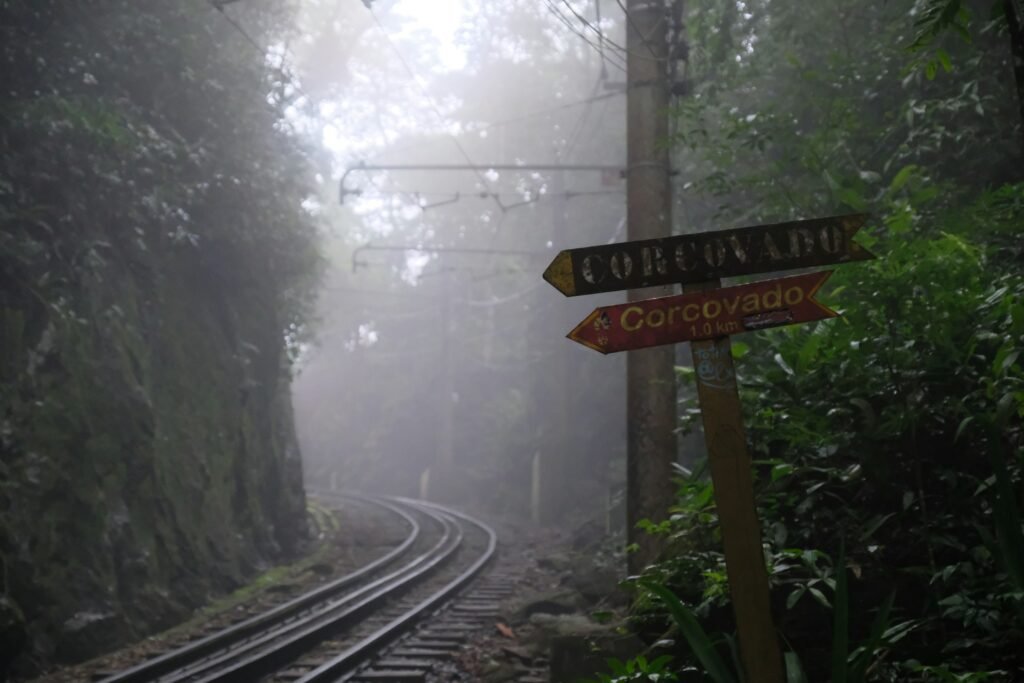
What is Tijuca National Park?
Tijuca National Park is an environmental preservation area covering approximately 3,953 hectares, divided into four sectors: Tijuca Forest, Serra da Carioca, Pedra Bonita and Pedra da Gávea, and the Pretos Forros and Covanca sector. Created in 1961, it protects a significant portion of the Atlantic Forest, one of the most threatened biomes in Brazil, while also providing a natural refuge for both visitors and Rio’s residents.
Tip: Also check out these tours in Rio de Janeiro
Christ the Redeemer by train and a Rio de Janeiro city tour. Duration: 4 hours
Free tour of Rio’s historic center and Lapa. Duration: 3 hours
Free tour of the Santa Teresa neighborhood. Duration: 2h 30m
Sunrise at Dona Marta viewpoint + Christ the Redeemer Duration: 4 hours
See all tours and transfers in Rio de Janeiro
The forest, which was replanted in the 19th century, is a unique example of ecological regeneration. In the past, the area was devastated for coffee cultivation, but thanks to reforestation efforts, Tijuca is now an oasis of biodiversity. Besides being essential to the city’s air quality, the park also shelters a wide variety of native animals and plants, creating the perfect setting for anyone looking to escape the urban hustle and connect with nature.
How to Get to Tijuca National Park?
Getting to Tijuca Forest is relatively easy, as it’s located right within the city. The park has several entrances, but the most well-known and visited one is in the Alto da Boa Vista neighborhood. If you prefer public transportation, you can take buses that leave from different parts of the city and drop you off near some of the most popular trails.
For those who prefer a bit more comfort, the best option is to go by car or taxi to Alto da Boa Vista, where the main entrance to the Tijuca Forest sector is located. There are some parking options near the main trails, making it easy to access for those planning to spend the day exploring the forest paths. Another alternative is to hire local guides, who can take you to lesser-known trails and attractions, offering an even more immersive experience.
Main Attractions in Tijuca Forest
Tijuca National Park has attractions for all tastes and fitness levels. For trail lovers, the park offers options ranging from short, easy walks to more challenging hikes that lead to spectacular viewpoints over the city.
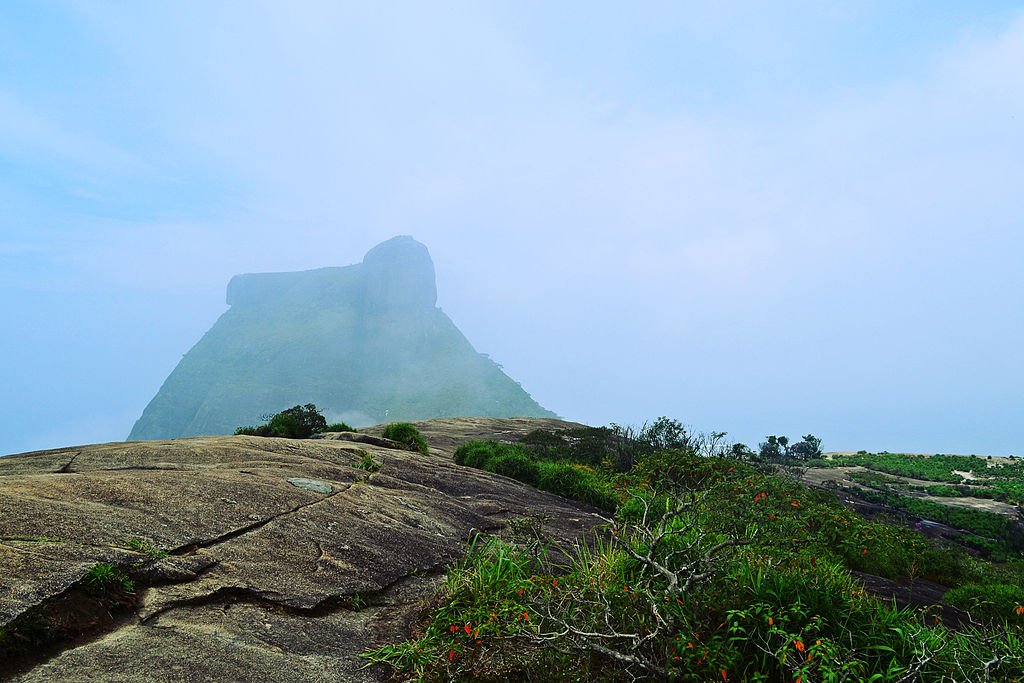
One of the most famous trails is the one to Tijuca Peak, the park’s highest point at 1,022 meters above sea level. This moderate hike rewards visitors with a panoramic view of Rio de Janeiro, stretching from Guanabara Bay to the city’s west zone. Another famous trail is the one to Pedra Bonita, known mainly for hang gliding and paragliding. Beyond the thrill of the heights, Pedra Bonita also offers one of the most impressive views of Rio, with Morro Dois Irmãos and Pedra da Gávea in the background.
For those seeking something more laid-back, Cascatinha Taunay is one of the park’s most iconic attractions. This is the largest waterfall in Tijuca National Park and offers a perfect setting to relax and snap some photos. The 30-meter (98-foot) cascade creates a spectacular scene, especially on sunny days when the sunlight dances on the water, casting tiny, beautiful rainbows.
The Park’s History and the Reforestation of Tijuca
The history of Tijuca National Park is just as fascinating as its landscapes. During the 19th century, the area was devastated by coffee plantations, which caused a severe water shortage in the city of Rio de Janeiro. In an unprecedented move for the time, the government ordered the reforestation of the area, and the work was led by Major Manoel Gomes Archer. This replanting effort was crucial to restoring the vegetation, and today the park stands as a symbol of environmental preservation and sustainability.
This reforestation process also boosted local biodiversity, creating a safe habitat for native species that returned to the forest. Today, visitors can spot animals like marmosets, capuchin monkeys, toucans, and even some species of snakes and lizards that call the park home. This direct contact with nature is one of Tijuca National Park’s biggest draws, offering a rich and educational experience.
Breathtaking Viewpoints and Scenery
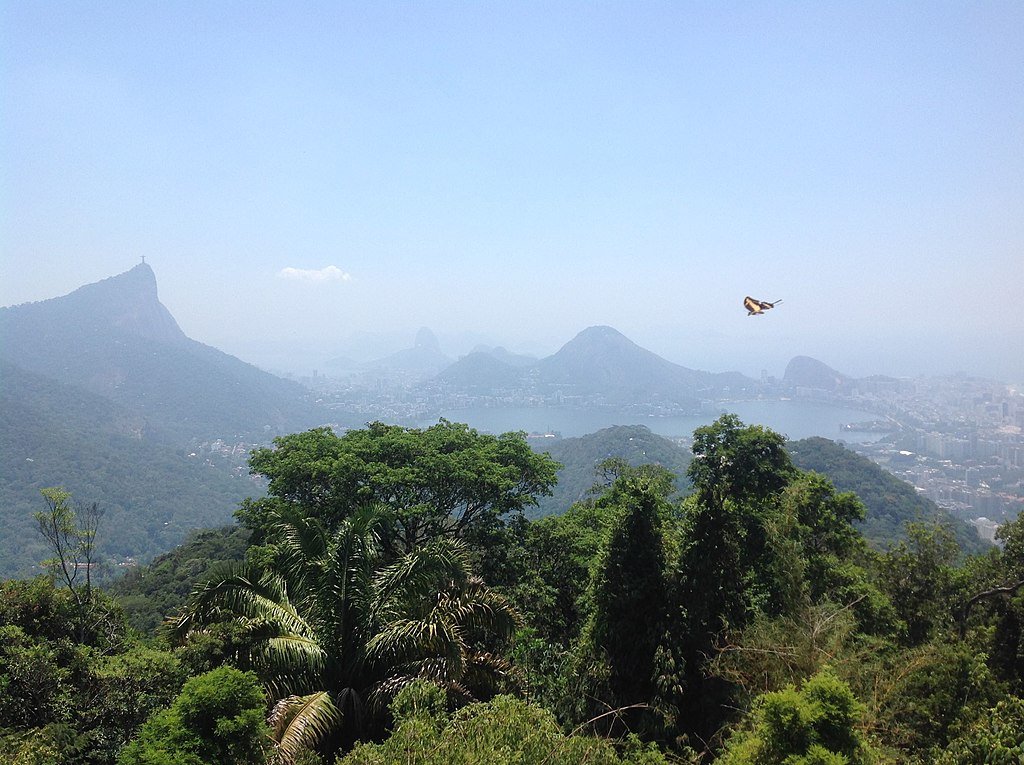
One of the highlights of visiting Tijuca National Park is the viewpoints that offer stunning vistas of the city. The most famous is Mirante Dona Marta, where you can see Sugarloaf Mountain, Guanabara Bay, and Christ the Redeemer. It’s one of the best spots to take photos and capture the grandeur of the city against the backdrop of nature.

Another viewpoint worth the visit is Vista Chinesa, a structure inspired by Eastern architecture and built in the 19th century. Located in the Serra da Carioca, the viewpoint offers a spectacular panorama of Rio de Janeiro, and on clear days, you can see the beaches of Ipanema, Leblon, and Rodrigo de Freitas Lagoon. Vista Chinesa is one of the most sought-after spots for tourists and photographers, especially at sunrise and sunset.
Ecotourism and Sustainable Travel Practices
Tijuca National Park is a prime example of ecotourism and sustainable travel in Brazil. When visiting the park, it’s important to adopt a respectful and caring attitude toward the environment. Small actions, like avoiding single-use plastics, not feeding the animals, and carrying your trash back out, make a big difference in preserving the local ecosystem.
Additionally, the park encourages visitors to use local guides when exploring lesser-known trails. These guides are trained to provide a safe and informative experience while also helping to protect the environment and support the local economy.
What to Bring to Tijuca National Park?
To make the most of your visit to Tijuca National Park, it’s essential to come prepared. We recommend wearing comfortable clothes and proper hiking shoes. Bring water and some light snacks, as the trek can be long, especially if you opt for trails like the one to Pico da Tijuca.
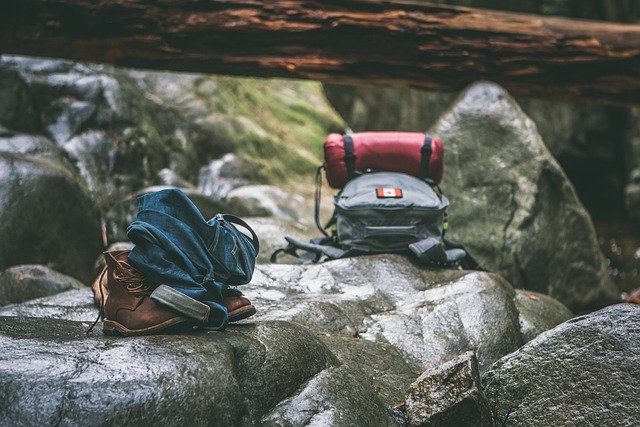
Insect repellent and sunscreen are also must-haves, as the park is a dense forest area with plenty of mosquitoes. And of course, it’s always a good idea to bring a camera or your phone to capture the incredible moments and landscapes you’ll encounter along the way.
Safety and Final Tips for an Unforgettable Experience
While Tijuca National Park is safe, it’s always wise to take some precautions. Avoid hiking alone, especially in more remote areas. Always let someone know your route and expected return time, and keep the park’s emergency contact number handy.
Tijuca National Park is a natural treasure that offers a unique experience for anyone visiting Rio de Janeiro. Whether you’re up for a leisurely stroll or an adventure on more challenging trails, the park provides a special connection with nature that you rarely find in a metropolis. Get ready for unforgettable moments, breathe in the fresh air of the Atlantic Forest, and savor every second of this hidden paradise in the heart of Rio.
Frequently Asked Questions about Tijuca National Park
Where is Tijuca National Park located?
Tijuca National Park is located in the heart of Rio de Janeiro, Brazil. It spans areas of the neighborhoods of Alto da Boa Vista, Jardim Botânico, Tijuca, Gávea, and others. The park’s main entrance is in the Alto da Boa Vista neighborhood.
How much does it cost to visit Tijuca Forest?
Entry to Tijuca National Park is free, including access to most trails and viewpoints. However, some specific activities, such as visits to Corcovado, may have separate entrance fees. It’s a good idea to check in advance if you plan to visit specific attractions that might charge a fee.
How do I get into Tijuca National Park?
The main access to Tijuca National Park is via Praça Afonso Viseu in Alto da Boa Vista. You can get there by car or by public transportation, such as buses that serve the area. Lines 301, 333, and 345 are some of the options available for those using public transit.
Can you drive up to Vista Chinesa?
Yes, you can drive to Vista Chinesa. However, there’s a parking lot at Paineiras where visitors must leave their vehicles and then continue to the viewpoint on a short walking trail.
How much does it cost to enter Vista Chinesa?
Entry to Vista Chinesa is free. Just like everywhere else in Tijuca National Park, visitors can enjoy this attraction without paying any fees.
What is the largest urban forest in the world?
Tijuca Forest is often considered one of the largest urban forests in the world. It’s part of Tijuca National Park, which covers approximately 39.5 km² and is one of the largest areas of replanted forest within a city.
How many kilometers is Tijuca National Park?
Tijuca National Park covers a total area of about 39.51 km² (or 3,958 hectares), making it one of the largest green spaces within Rio’s urban landscape.
What should I pack for Tijuca National Park?
When visiting Tijuca National Park, it’s recommended to bring essentials like water, light snacks, sunscreen, insect repellent, and a hat or cap for sun protection. Comfortable footwear is key to making the most of the trails and outdoor activities.
What animals can you see in Tijuca National Park?
Tijuca National Park is home to a rich variety of wildlife, including species like marmosets, capuchin monkeys, toucans, thrushes, saracuras, coatis, lizards, and even sloths. You might also spot some snakes, like the jararaca, though they’re rarer to come across.
Can you have a barbecue in Tijuca Forest?
No, barbecues are not allowed in Tijuca Forest. The park enforces strict environmental preservation rules to protect nature and prevent fires, so lighting campfires or using grills anywhere on the premises is prohibited.