Rio de Janeiro is known for its iconic beaches, Christ the Redeemer, Sugarloaf Mountain, and, of course, its vibrant Carnival. But there’s another must-see destination in the Marvelous City that draws visitors from around the world: the Museum of Tomorrow. Located in the revitalized Port Zone, this space is not just an ordinary museum. It’s an invitation to reflect on the future, science, and the impact of our actions on the planet. In this post, we’ll dive into everything you need to know to plan your visit to the Museum of Tomorrow and understand why it’s one of Brazil’s most impressive attractions.
Dica: Aproveite também para fazer estes passeios no Rio de Janeiro
Cristo Redentor de trem e tour pelo Rio de janeiro. Duração: 4 horas
Passeio grátis pelo centro histórico do Rio e Lapa. Duração: 3 horas
Free tour pelo bairro de Santa Teresa. Duração: 2h 30m
Amanhecer no mirante de Dona Marta + Cristo Redentor Duração: 4 horas
Veja todos os passeios e tranfers no Rio de Janeiro
“It explores urgent issues like climate change, technological advances, and social transformations“.
The Concept of the Museum of Tomorrow: Innovation and Reflection
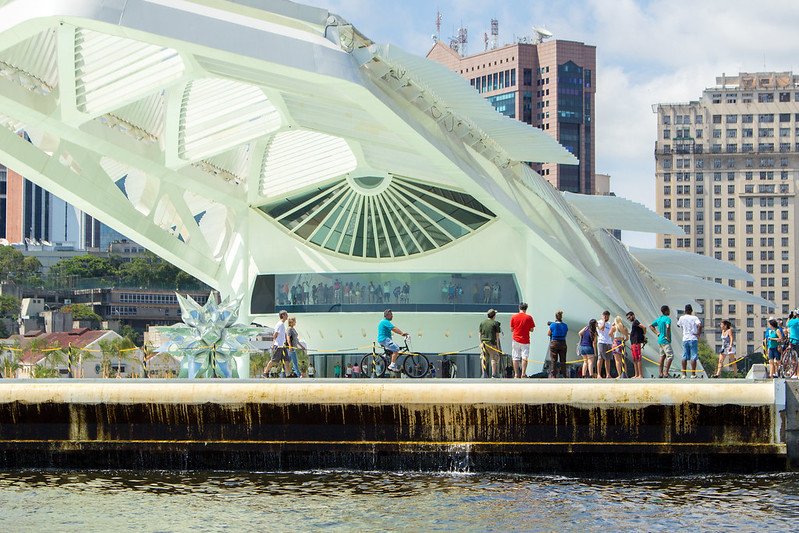
The Museum of Tomorrow is not just a futuristic building, with architecture that catches your eye from afar. It’s a science museum unlike any other. While many museums display artifacts from the past, the Museum of Tomorrow invites visitors to think about the future of humanity and the planet. Based on principles of sustainability and coexistence, it explores urgent issues like climate change, technological advances, and social transformations.
The main goal of the Museum of Tomorrow is to provoke reflection
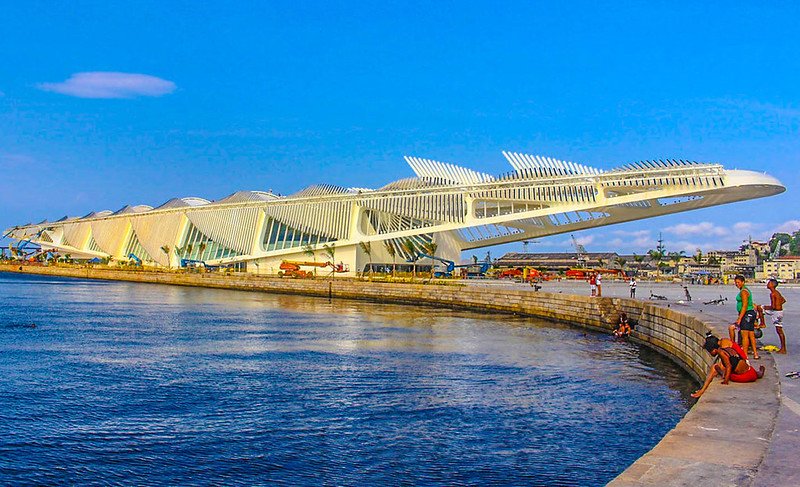
Inaugurated in December 2015, the museum was designed by the renowned Spanish architect Santiago Calatrava and quickly became an architectural icon of Rio de Janeiro. The building’s futuristic design, inspired by natural forms, resembles a spaceship, standing out in the city’s urban landscape. Furthermore, the structure was designed to be environmentally sustainable, using solar energy and water from Guanabara Bay to regulate its internal temperature.
Note: Get to know the Museum of Tomorrow and take the chance to tour the Olympic Boulevard, all with free cancellation!
The main goal of the Museum of Tomorrow is to provoke reflection. Its interactive exhibits are designed to make visitors question their daily choices and how they impact the planet’s future. Every detail of the museum was carefully planned to encourage a critical look at the future, while also offering an educational and engaging experience.
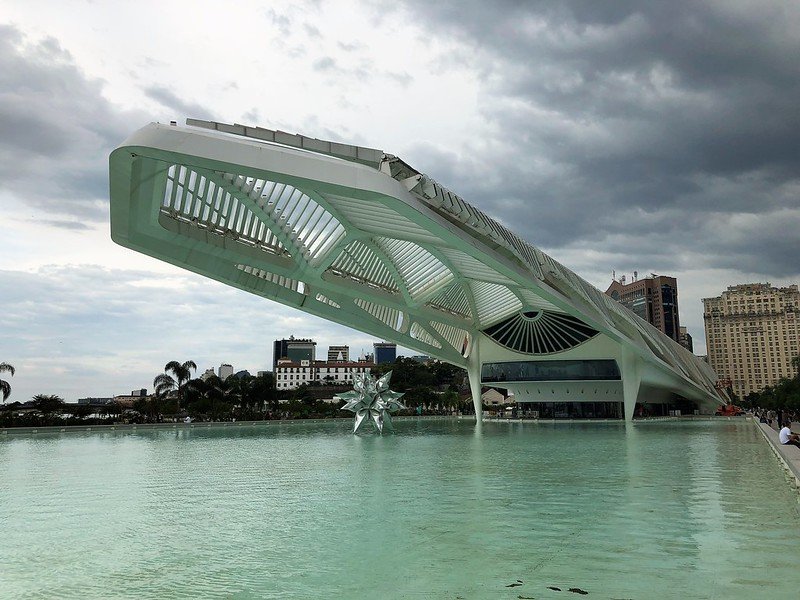
The Museum of Tomorrow Experience: What You’ll Find
Upon entering the Museum of Tomorrow, visitors are immediately immersed in an atmosphere of innovation and curiosity. The space is divided into different thematic areas, covering everything from the birth of the universe to predictions for humanity’s future. The main exhibition is called “Cosmos” and takes visitors on a journey through time and space, using cutting-edge technology to create a unique sensory experience.
- Cosmos: The first part of the exhibition is an audiovisual experience that places visitors at the center of the universe. With a 360-degree screen, the film covers the creation of the universe, the emergence of life on Earth, and the evolution of the human species. It’s a spectacular start that prepares visitors for the deeper reflections to come.
- Earth: Next, visitors pass through a section that explores planet Earth and its biodiversity. Here, the emphasis is on the interconnection between all living beings and the impacts of human activities on the environment. With up-to-date scientific data and interactive exhibits, this section challenges visitors to think about ways to minimize their ecological footprint.
- Anthropocene: This part of the exhibition addresses the concept of the “Anthropocene,” the geological era marked by significant human influence on the planet. It’s a reflection on how human activity has altered the climate, ecosystems, and even Earth’s geology. Here, visitors are confronted with issues like pollution, deforestation, and global warming, as well as innovative solutions to mitigate these problems.
- Tomorrows: In the final section, visitors are invited to explore future scenarios and think about the choices that can shape tomorrow. What challenges and opportunities does the future hold for us? How will technological innovations and social changes impact our lives? This section is particularly interactive, allowing visitors to “play” with possible futures through simulations and quizzes.
In addition to the permanent exhibitions, the Museum of Tomorrow also hosts temporary shows that address contemporary and relevant themes, always with an eye toward the future. These shows are updated regularly, so it’s always a good idea to check the museum’s website before your visit to see what will be on display.
Technology and Sustainability: Two Pillars of the Museum of Tomorrow
One of the most impressive aspects of the Museum of Tomorrow is the way it integrates cutting-edge technology and sustainable practices into its design and operation. From solar energy use to the water collection system from Guanabara Bay, the museum was designed to be an example of eco-friendly construction.
The museum’s roof features a movable structure equipped with solar panels that capture sunlight and convert it into energy for the building. Additionally, an innovative cooling system uses bay water to help maintain a pleasant internal temperature, reducing the need for air conditioning. These solutions not only make the museum more energy-efficient but also serve as a practical demonstration of how technology can be used to minimize environmental impact.
Inside the museum, technology also plays a crucial role in the visitor experience. Interactive exhibits, augmented reality, and digital projections are just a few of the tools used to engage the public and convey complex messages in an accessible way. The idea is that, by interacting with these technologies, visitors can gain a deeper understanding of the challenges we face as a society and the solutions within our reach.
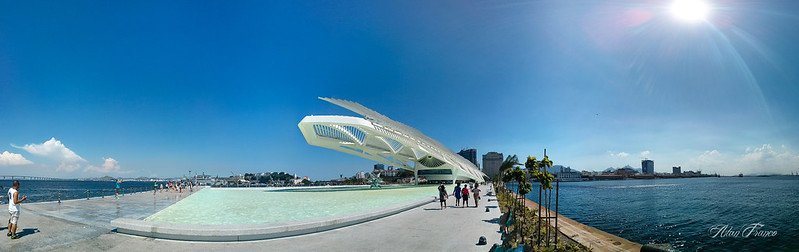
The Revitalization of the Port Zone: The Museum of Tomorrow’s Impact
The Museum of Tomorrow is part of a larger project to revitalize Rio de Janeiro’s Port Zone, an area that was abandoned and degraded for many years. The Porto Maravilha project, of which the museum is a part, aimed to transform this region into a cultural and tourist hub, attracting both locals and tourists from other parts of Brazil and the world.
Since the museum’s opening, the Port Zone has undergone a major transformation. New public spaces were created, such as Praça Mauá, which is now a meeting point for residents and visitors. The economic and social impact of the revitalization is undeniable: the region has become one of the city’s main tourist destinations, attracting millions of visitors since the museum opened its doors.
Furthermore, the museum also plays an important role in educating the local population. Several educational programs are offered by the Museum of Tomorrow, focusing on sustainability, science, and global citizenship. Public and private schools can schedule guided tours, and the museum also offers workshops and special activities for children and young people, encouraging learning in a fun and interactive way.
Plan Your Visit: Practical Information
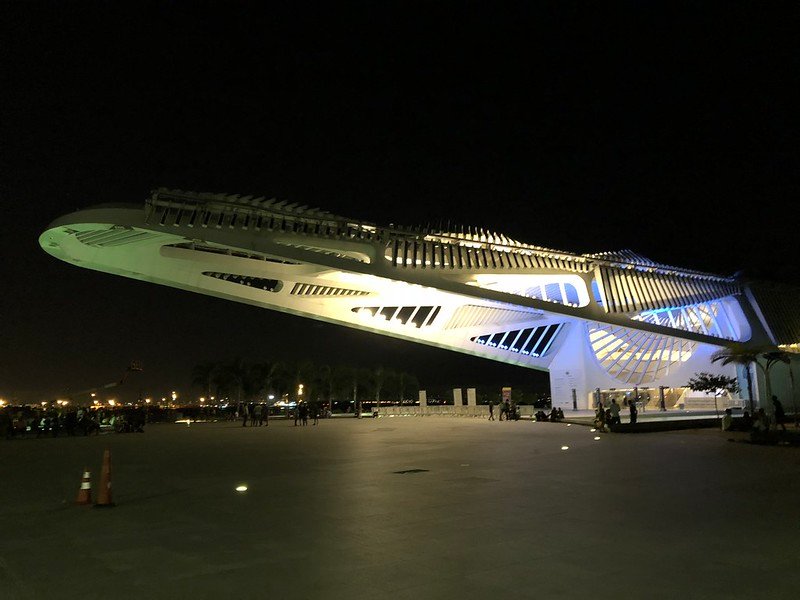
If you’re feeling inspired to visit the Museum of Tomorrow, here’s some practical information to help you plan your trip:
- Hours: The museum is open Tuesday through Sunday, from 10 AM to 6 PM, with last entry at 5 PM.
- Tickets: Tickets can be purchased online or at the museum’s box office. It’s recommended to buy your ticket in advance, especially on holidays and weekends, to avoid lines.
- Location: The museum is located at Praça Mauá, in downtown Rio de Janeiro, and is easily accessible by public transportation. The nearest metro station is Uruguaiana Station, and several bus lines pass through the area.
- Tips: To make the most of your visit, set aside at least 2 hours to explore all the exhibits at a relaxed pace. And don’t forget to snap a photo of the museum’s iconic facade with Guanabara Bay in the background!
What’s Near the Museum of Tomorrow?
The Museum of Tomorrow is located in a really cool area of Rio, packed with other attractions. Take the chance to plan an itinerary and discover more amazing places:
1. AquaRio
Just a 5-minute walk from the Museum of Tomorrow, AquaRio is the largest marine aquarium in South America. With over 8,000 animals from 350 different species, it’s a must-see attraction for anyone who loves marine life.
2. Rio Art Museum (MAR)
Right across from the Museum of Tomorrow, the MAR is a cultural complex that combines art and education. With exhibits exploring the history and culture of Rio de Janeiro, it’s a great complement to your visit.
3. Boulevard Olímpico
This revitalized area of the port zone is perfect for a stroll. With graffiti murals, food trucks, and a beautiful view of the bay, it’s ideal for relaxing after your museum visits.
4. Morro da Conceição
A historic neighborhood just a few minutes’ walk away. With its cobblestone streets and colonial mansions, it’s like stepping back in time to old Rio.
5. Pedra do Sal
Considered the birthplace of Rio’s samba, this historic site is about a 15-minute walk from the Museum of Tomorrow. On Monday and Friday nights, there’s an unmissable samba circle!
How to Get to the Museum of Tomorrow
The museum is right in the heart of Rio, so it’s easy to get there:
- By metro: Get off at Uruguaiana station and take the VLT light rail to Praça Mauá.
- By VLT light rail: Get off at Parada dos Museus station, right in front of the museum.
- By bus: Several lines stop nearby, such as 201, 207, and 220.
- By car: There’s on-site parking, but beware: it can be pricey on busy days.
Hours and Tickets
The Museum of Tomorrow is open Tuesday through Sunday, from 10 AM to 6 PM (the ticket office closes at 5 PM). Tickets cost R$ 30 (full price) and R$ 15 (half price). On Tuesdays, admission is free for everyone!
Pro tip: buy your ticket online to skip the lines and guarantee your entry, especially on holidays and weekends.
A must-see journey into tomorrow
The Museum of Tomorrow is, without a doubt, one of the most impressive attractions in Rio de Janeiro. It manages to be educational without being boring, futuristic without being intimidating, and profound without being heavy. It’s the kind of place that appeals to everyone: kids, adults, science buffs, and art lovers alike.
So, on your next trip to Rio, set aside some time for this journey into the future. I guarantee you’ll walk out with that “wow, what an incredible place!” feeling. And who knows—maybe this experience will inspire you to think about how you can contribute to a better tomorrow?
Oh, and don’t forget: after exploring the future at the Museum of Tomorrow, make sure to enjoy the present at the other attractions in the area. After all, Rio de Janeiro is a city that knows how to blend history, culture, and innovation like no other!
So, what are you waiting for? Come to Rio, come to the Museum of Tomorrow, and come discover that the future is now!
Image credits:
Featured photo: juannomore on Flickr | Licensed under CC BY-SA 2.0 | No alterations made to the image.