Have you ever wondered what it’s like to stand on top of the world, gazing at one of Rio de Janeiro’s most breathtaking views? Morro da Urca, one of the city’s most iconic landmarks, offers this unique experience. In this post, we’ll explore everything you need to know about this must-visit destination, from safety to the best ways to get there. Get ready to uncover one of Rio’s best-kept secrets!
Dica: Aproveite também para fazer estes passeios no Rio de Janeiro
Cristo Redentor de trem e tour pelo Rio de janeiro. Duração: 4 horas
Passeio grátis pelo centro histórico do Rio e Lapa. Duração: 3 horas
Free tour pelo bairro de Santa Teresa. Duração: 2h 30m
Amanhecer no mirante de Dona Marta + Cristo Redentor Duração: 4 horas
Veja todos os passeios e tranfers no Rio de Janeiro
What is Morro da Urca?
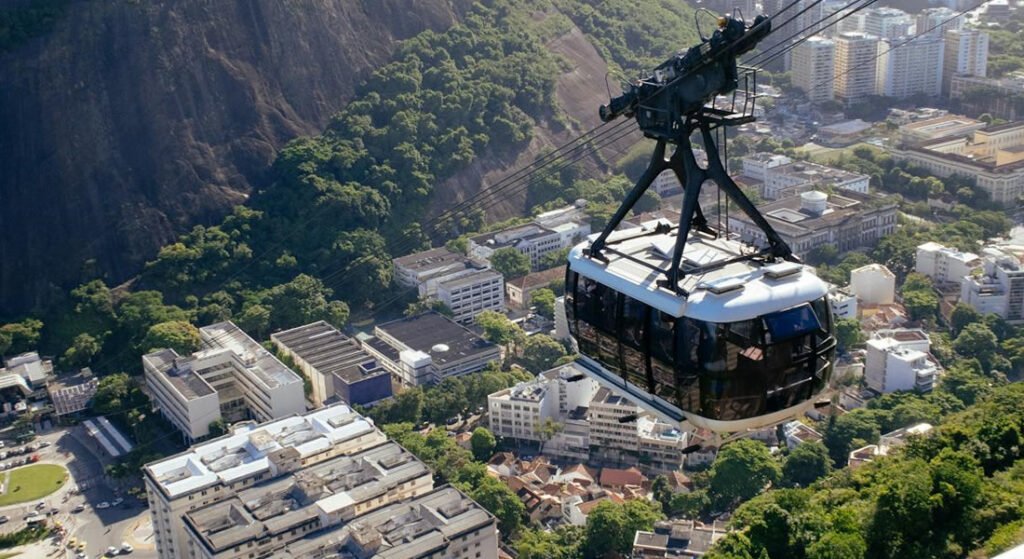
Morro da Urca is a granite rock formation that rises 220 meters (720 feet) above sea level, serving as the first stop on the famous Sugarloaf Cable Car (Bondinho do Pão de Açúcar). This spot isn’t just a passing point; it’s a true invitation to adventure and nature contemplation. With panoramic views that include Guanabara Bay, Christ the Redeemer, and Rio’s beaches, the hill is a visual spectacle that delights tourists and locals alike.

Location and Access
Located in the Urca neighborhood, getting to Morro da Urca is quite easy. The trail leading to the top starts at Praia Vermelha (Red Beach), specifically on Pista Cláudio Coutinho. This path is a great place to warm up before starting the hike and offers a wonderful view of the sea and local vegetation. For those who prefer a more relaxed option, the cable car is also available and provides a unique experience along the way.
Safety and Transportation
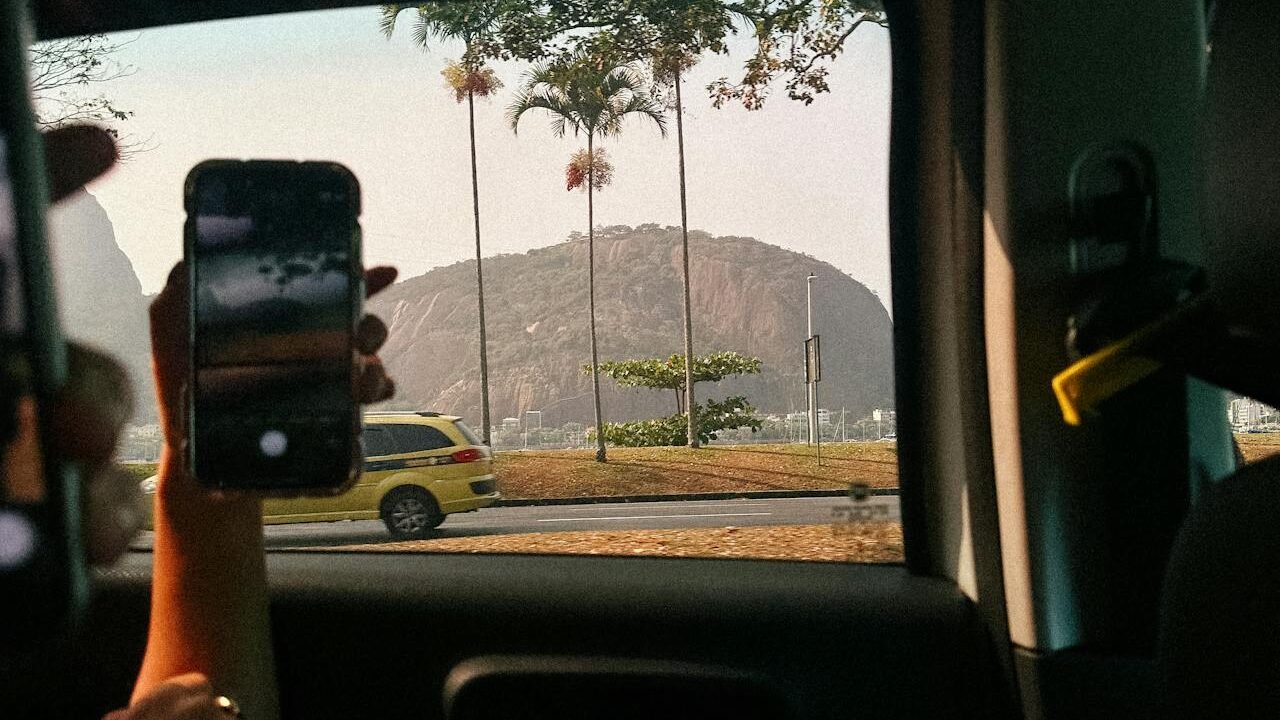
Safety at Morro da Urca is a valid concern for any tourist. The area is generally safe, especially during the day when there are many visitors. It’s advisable to avoid the trail after dark and always keep an eye on your belongings. To get to Praia Vermelha, you can use public transportation, such as buses or the metro, which are affordable and safe options.
Transportation Tips
- Bus: Several lines pass by Praia Vermelha.
- Metro: The nearest station is Botafogo; from there, you can grab a taxi or bus.
- Car: There is parking in the area, but it can be limited during peak hours.
The Morro da Urca Trail
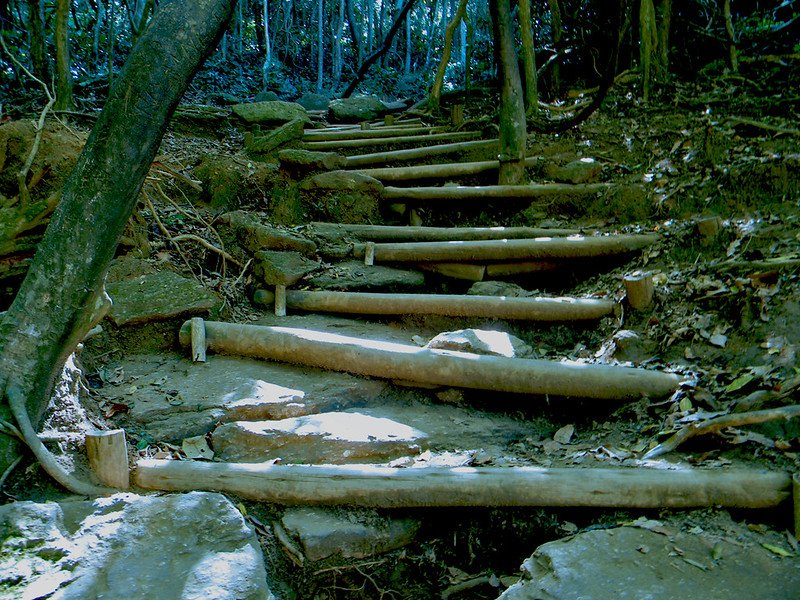
The trail to Morro da Urca is one of the most popular among locals and tourists alike. With an average duration of 30 to 40 minutes, it’s considered moderately difficult. The path winds through a dense Atlantic Forest and offers several areas to rest and appreciate nature.
What to Bring on the Trail?
Before heading out on the trail, make sure to bring:
- Water: Hydration is essential.
- Light snacks: Fruits or energy bars are ideal.
- Sunscreen: Protection against the sun’s rays is crucial.
- Proper footwear: Opt for comfortable sneakers with good grip.
What to Do at Morro da Urca?
Once you reach the top of Morro da Urca, you’ll find several attractions beyond the stunning views. The tourist complex features restaurants, shops, and viewpoints that offer different angles of the city.

Dining and Leisure
The restaurants at Morro da Urca offer traditional Rio dishes and international options. Enjoying a meal while taking in the view is an unmissable experience. Additionally, there are often cultural events and live shows on the weekends.
Nearby Attractions
Beyond the hill itself, the surrounding area has other attractions worth exploring. The Sugarloaf Museum (Museu do Pão de Açúcar) tells the story of the cable car and its curiosities. For nature lovers, there are also several trails nearby to explore.
Special Events
Keep an eye on Morro da Urca’s cultural calendar! Throughout the year, events like June festivals (Festa Junina), New Year’s celebrations, and art exhibitions are held at the site. These activities not only enrich your visit but also provide an immersion into Rio’s vibrant culture.
Final Thoughts
Visiting Morro da Urca is more than just a tour; it’s an opportunity to connect with nature and the vibrant culture of Rio de Janeiro. Whether you hike up or take the cable car, the experience promises to be unforgettable. Get ready to snap incredible photos, make new friends, and create lasting memories in this charming corner of Brazil.
Extra Tips
- Best time to visit: The dry months (May to September) are ideal for avoiding rain.
- Hours: Check the cable car and attraction schedules before you go.
- Local guide: Hiring a guide can enrich your experience with insights into the local flora and fauna.
Now that you know everything about Morro da Urca, are you ready to explore this natural wonder? Don’t forget your camera and enjoy every moment!
Morro da Urca is one of Rio de Janeiro’s most iconic destinations, and there’s so much more to explore beyond what we’ve already covered. Let’s dive into some relevant details that can make your visit to this incredible place even better.
Attractions and Facilities at Morro da Urca
Beyond the spectacular views and the trail, Morro da Urca is home to a range of attractions that make the visit even more special. At the top, you’ll find the Espaço de Memória (Memory Space), which tells the story of the cable car and the hill itself, enriching your experience with a bit of local culture and history.
Helipad and Helicopter Tours
For those seeking an even more thrilling experience, Morro da Urca has a helipad where you can book helicopter tours. It’s a unique way to appreciate Rio de Janeiro’s beauty from a completely different perspective, though the cost can be on the higher side.
Dining and Entertainment
The restaurants at Morro da Urca don’t just serve up local dishes—many of them also host live shows, especially on weekends. It’s a fantastic opportunity to enjoy Carioca cuisine while being entertained by live music. The New Year’s Eve parties on the hill are especially popular among locals, offering a vibrant and energetic atmosphere.
Special Events
Morro da Urca frequently hosts cultural events and exhibitions, making your visit even richer in experiences. Keep an eye on the local schedule so you don’t miss out on these opportunities.
Safety and Practical Tips
While Morro da Urca is considered safe during the day, it’s always good to follow a few tips to ensure a smooth visit:
- Avoid nighttime hours: The trail should preferably be hiked during daylight.
- Stay on the marked trail: The path is well-signposted, making navigation easy.
- Wear light clothing: The heat can be intense, so opt for comfortable clothes.
More Trail Info
The Morro da Urca trail is about 1.5 km long and takes roughly 30 to 40 minutes to complete. It’s considered easy to moderate, perfect for those who want an adventure without major physical challenges. Along the way, you’ll find several spots to rest and take in the scenery.
Frequently Asked Questions about Morro da Urca
With all this info in mind, you’re ready to explore Morro da Urca and make the most of everything this wonderful destination has to offer!
Of course, I’ll answer all your questions about Morro da Urca with enthusiasm and reliable info! 😊
How many meters is the Morro da Urca trail? The Morro da Urca trail is approximately 1.5 km long. It’s a steep and exciting hike that leads to the top of Morro da Urca, offering stunning views of Rio de Janeiro.
Where is Morro da Urca located? Morro da Urca is located in the Urca neighborhood of Rio de Janeiro. It’s right next to Morro do Pão de Açúcar and is part of the Sugarloaf Cable Car complex. Its prime location offers incredible views of the city and Guanabara Bay.
Are there restrooms at Morro da Urca? Yes! At Morro da Urca, you’ll find restrooms, shops, restaurants, and full facilities to enjoy the spectacular view.
Which hill is connected by the cable car? Morro da Urca is connected to Morro do Pão de Açúcar by the cable car. The route starts at Praia Vermelha and first goes up to Morro da Urca before continuing to Pão de Açúcar.
How do I access the Morro da Urca trail? To access the Morro da Urca trail, head to Pista Cláudio Coutinho in the Urca neighborhood. Access is free and it’s located on the left side of Praia Vermelha2.
Who owns the cable car? The Sugarloaf Cable Car is managed by Parque Bondinho Pão de Açúcar, an environmental reserve area in the Atlantic Forest. It’s the first cable car in Brazil and the third in the world
How much does it cost to go to Morro da Urca? The Morro da Urca trail is free! You can enjoy all the facilities at Morro da Urca without paying a thing. Plus, there are exclusive tickets for those who hiked the trail, if you want to round out the experience with the cable car.
What’s the difference between Morro da Urca and Pão de Açúcar? Morro da Urca is the cable car’s first stop and offers incredible views of the city. Morro do Pão de Açúcar, on the other hand, is the highest point and provides an even more spectacular panoramic view. Both are part of the Sugarloaf Cable Car complex.
How do I visit Morro da Urca? You can visit Morro da Urca via the free trail or by cable car. Enjoy the facilities, the viewpoints, and the stunning view of Rio de Janeiro.
How much is the Sugarloaf cable car in 2024? In 2024, the Sugarloaf Cable Car ticket costs R$160 for tourists (with discounts for Rio de Janeiro residents).
How many minutes does the Morro da Urca trail take? The Morro da Urca trail takes about 40 minutes to complete. It’s an easy to moderate hike, ideal for families and groups of friends.
What can you do in Urca for free? Besides enjoying the Morro da Urca trail, you can explore Pista Cláudio Coutinho, which runs along the sea and offers incredible scenery. Praia Vermelha is also a great spot to relax and take in the view.
What time does Morro da Urca close? The operating hours of the cable car and the attractions at Morro da Urca may vary. Check the official website for the most up-to-date information.
What is there to do at Morro da Urca at night? The cable car does not run at night, but you can enjoy the city’s nighttime view from other spots in the area.
What’s the best day to go to the Urca wall (mureta da Urca)? There’s no single “best” day, but weekdays and off-peak times, like early morning or late afternoon, tend to be less crowded.