Ah, Rio de Janeiro… The Marvelous City has so many spectacular angles that it’s hard to pick just one favorite. But if you’re chasing that postcard-perfect shot, that one image that sums up Rio’s beauty—with Sugarloaf Mountain on one side and Christ the Redeemer almost within arm’s reach on the other—then you absolutely need to check out the Dona Marta Viewpoint. Seriously, it takes your breath away! More than just a simple lookout point, it’s an experience that connects you with the very soul of the city. Come along, and I’ll tell you everything you need to know to make the most of this magical place!
Dona Marta Viewpoint: Why You Need to See This Rio Postcard
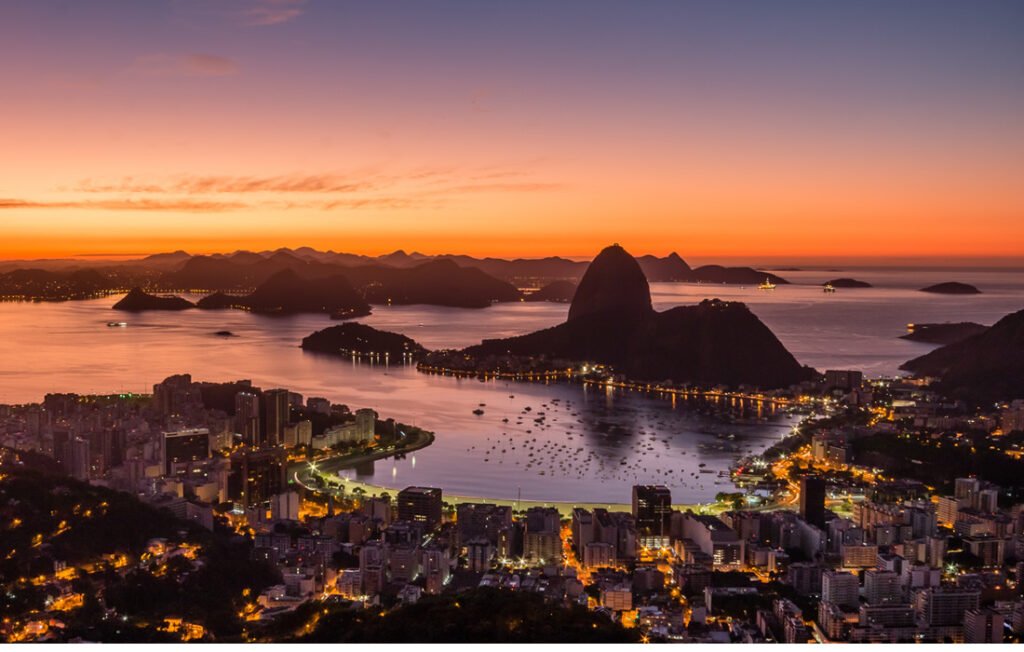
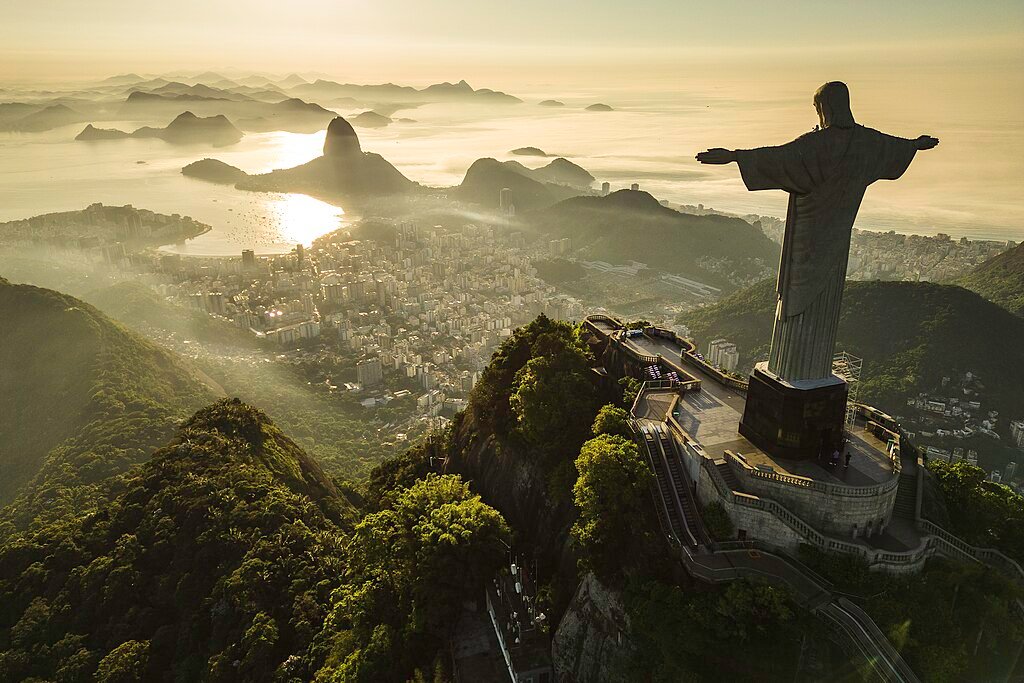
Picture this: you arrive at a high plateau, the wind blows gently, and a landscape that looks like a painting unfolds before you. On one side, the imposing Sugarloaf Mountain, guarding the entrance to Guanabara Bay. On the other, almost like a neighbor, Christ the Redeemer blesses you from atop Corcovado. Below, you’ll see Rodrigo de Freitas Lagoon, the beaches of Botafogo and Flamengo, and downtown Rio… It’s simply a 360-degree spectacle! The Dona Marta Viewpoint offers this unique perspective, different from the more traditional angles, and the best part: a sense of tranquility you don’t always find at the most famous tourist spots. It’s the perfect place to understand the city’s layout, snap incredible photos, and, of course, fall even more in love with Rio.
Dica: Aproveite também para fazer estes passeios no Rio de Janeiro
Cristo Redentor de trem e tour pelo Rio de janeiro. Duração: 4 horas
Passeio grátis pelo centro histórico do Rio e Lapa. Duração: 3 horas
Free tour pelo bairro de Santa Teresa. Duração: 2h 30m
Amanhecer no mirante de Dona Marta + Cristo Redentor Duração: 4 horas
Veja todos os passeios e tranfers no Rio de Janeiro
Getting to Paradise: How to Access the Dona Marta Viewpoint
Getting to the Dona Marta Viewpoint is part of the adventure, and understanding your options is key to a stress-free trip. It’s located in the Santa Teresa neighborhood, but the main access is via the road that also leads to Corcovado, inside the Tijuca National Park.
By Private or Rental Car: The Scenic Route
If you have a car, this is probably the most comfortable way to go. The drive up Estrada das Paineiras (via Cosme Velho) or Estrada Mirante Dona Marta (via Santa Teresa/Silvestre) is a sightseeing tour in itself, with glimpses of the forest and the city. The road is winding but well-paved. The big issue here is parking. There’s a designated area at the viewpoint itself, but it’s small and fills up fast, especially on weekends, holidays, or peak times like sunset. Arriving early is essential if you choose this option. A friendly tip: use a GPS app, as the signs can be a bit confusing in some spots. Your cost here would be gas and, potentially, the car rental.
Taxi or Ride-Sharing Apps: Convenience with Caution
Opting for a taxi or ride-sharing apps like Uber or 99 is an excellent alternative to avoid the parking headache. Most drivers know the way well. The cost will vary quite a bit depending on your starting point, traffic, and surge pricing (for apps). An estimate from the South Zone (Copacabana, Ipanema) could be between R$ 30 and R$ 60, but remember, that’s just a rough idea—check the app when you’re ready! One thing to note: cell service can be spotty up there, so arranging your return trip with the driver or having a little patience to request a ride back might be necessary. Some drivers might even offer to wait for an agreed-upon price, which could be worth it.
Public Transportation: The Budget Option (But Challenging)
Taking public transport is the cheapest option, but it requires energy and planning. There’s no bus line that drops you off right at the door of the Dona Marta Viewpoint. The most common strategy is to take a bus to Cosme Velho (where the Corcovado Train station is) and then try to grab a taxi or ride-share for the final leg of the climb. Another option would be to take the famous Santa Teresa Tram, get off at a higher stop, and then either walk (which can be long and steep) or take a taxi. Honestly? For those short on time or who prefer more comfort, it might not be the best choice.
Guided Tours: Convenience and Information
Many tour agencies in Rio include the Dona Marta Viewpoint on their itineraries, often combining it with Christ the Redeemer and other spots in the Tijuca National Park. This is a great option if you want total convenience (round-trip transport included) and the benefit of a guide who can share local info and fun facts. Prices vary quite a bit depending on what’s included in the package, but it offers the peace of mind of not worrying about logistics. Do your research on agencies and what each tour offers.
Perfect Timing: When to Visit the Dona Marta Viewpoint?
Choosing the right day and time can completely transform your experience at Dona Marta. The view depends a lot on the weather conditions.
The Magic of Sunrise and Sunset
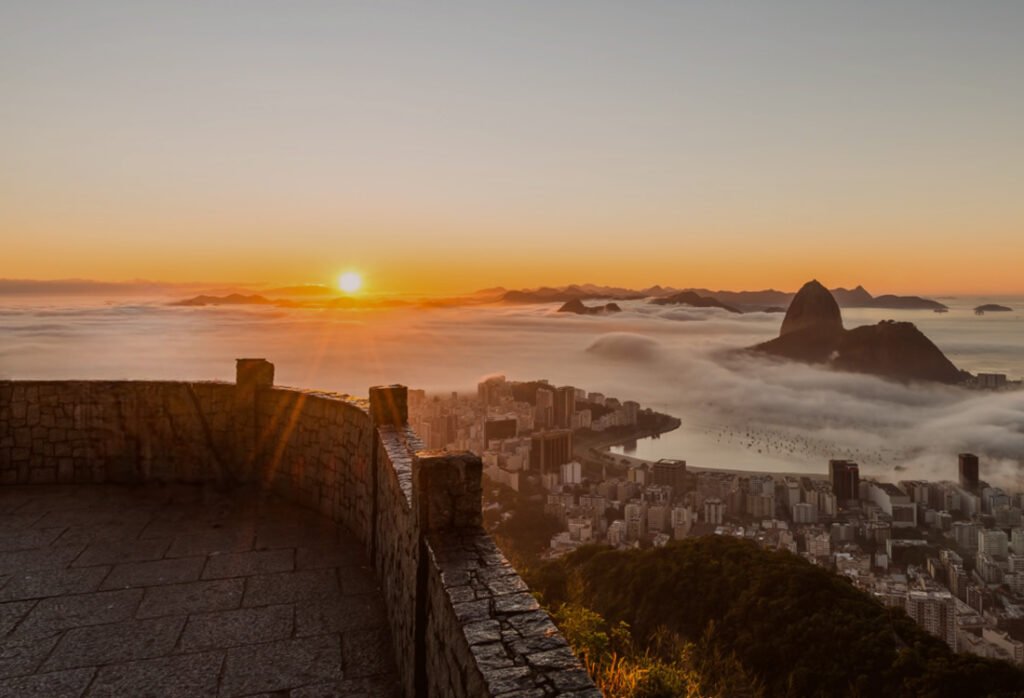
Without a doubt, the most popular and magical times are sunrise and sunset. Watching the sun rise behind Sugarloaf Mountain or set behind the mountains, painting the sky with vibrant colors over the city, is unforgettable. If you’re tackling the sunrise, be prepared to wake up very early and dress warmly—even in summer, it can get a bit chilly up there before the sun warms things up. For sunset, arrive early to secure a good spot, as it tends to get more crowded.
Clear Mornings vs. Golden Afternoons
Outside of those peak times, mornings—especially after the sun has risen a bit and burned off the morning mist (common in Rio)—usually offer clearer skies and great visibility, ideal for crisp photos. Afternoons provide a warmer, golden light that also makes for beautiful shots, but they can have a bit more haze depending on the day. Avoid the middle of the day, especially in summer, when the sun is directly overhead and can create a lot of glare and make the experience less pleasant due to the heat.
Weather and Crowds: Decisive Factors
The most crucial factor is the weather. On cloudy or rainy days, the view can be completely obscured. Always check the forecast before you head out! As for crowds, weekdays outside of holidays are always calmer. Weekends and high season (summer, July, long holiday weekends) mean more people and more difficulty parking or finding that perfect little spot for your photo. If you can choose, go during the week and in the morning.
A Feast for the Eyes: What to Do at the Viewpoint
The Dona Marta Viewpoint isn’t a place with multiple activities; the view is the main star here. But there are different ways to enjoy your time there.
Photography: Capturing Unforgettable Angles
Get your camera or phone ready! Dona Marta is a paradise for photographers, amateur or professional. The main platform offers the classic angle with Sugarloaf Mountain and Guanabara Bay. There’s also a helipad a bit further down (access can sometimes be restricted, check on-site) that provides a slightly different and equally incredible perspective, often with Christ the Redeemer appearing more prominently. Explore the different corners, play with the zoom, capture panoramas. It’s the place to let your creativity run wild!
Simply Contemplate: Soaking in the Landscape
Sometimes, the best thing to do is put your phone away for a moment and just… look. Take a deep breath, feel the breeze, observe the details of the city down below: the little boats in the bay, the movement of cars, the vastness of the forest around you. It’s a moment of connection with Rio’s natural and urban beauty, perfect for relaxing and recharging your batteries.
Special Events: Keep an Eye Out!
Occasionally, the Dona Marta Viewpoint hosts small events, like sunrise yoga classes, fashion photo shoots, or even filmings (who doesn’t remember Michael Jackson’s “They Don’t Care About Us” video, which had scenes shot with the Dona Marta view as a backdrop, although most of it was filmed in the Santa Marta community nearby?). Keep an eye on social media or local news—you might get lucky and catch something different happening there.
Tickets and Costs: Planning Your Budget
Here’s some great news: access to the Dona Marta Viewpoint itself is free! As it’s a public space within the Tijuca National Park, you don’t pay an entrance fee to admire the view. The costs involved in your visit will be related to transportation (gas, parking if there’s a fee that day, taxi/app, tour) and any snacks or water you decide to bring or buy along the way. Parking on-site, when available and operational, may have a symbolic fee charged by attendants or park management at certain times—it’s good to have some change on hand just in case, but entry to see the scenery is free.
How Much Time to Dedicate to This Marvel?
Since it’s essentially a spot for contemplation and photography, most people don’t spend a whole day at the Dona Marta Viewpoint. A visit of 45 minutes to 1.5 hours is usually enough to soak in the landscape, take tons of photos, and enjoy the moment without rushing. If you’re going specifically for sunrise or sunset, you might want to stay a bit longer to watch the whole light show. Consider travel time when planning your day’s itinerary.
Curbing Hunger with a View: Where to Eat Near the Viewpoint
Right at the Dona Marta Viewpoint, food options are practically nonexistent. It’s rare to find street vendors there, so the golden tip is: bring your own water bottle and maybe a snack, especially if you’re staying longer or during peak sun hours. For a more complete meal, it’s best to plan on eating before or after your visit. Heading down towards Cosme Velho or up to Santa Teresa, you’ll find several charming restaurants, bars, and snack spots that vary widely in style and price, from simpler, traditional places to more upscale ones. Exploring Santa Teresa after the viewpoint can be a great plan!
Where to Stay to Make Your Visit Easier
You won’t be staying at the Viewpoint, of course! But choosing a good base in Rio can make your access easier. Neighborhoods like Santa Teresa and Cosme Velho are the closest geographically, offering charming guesthouses and a more artistic, tranquil atmosphere. If you prefer the hustle and bustle and proximity to the beaches, staying in the South Zone (Botafogo, Flamengo, Copacabana, Ipanema, Leblon) is also a great option, as access via taxi/app or car is relatively quick outside of peak traffic hours. Botafogo and Flamengo, being closer to the entrance for Corcovado/Dona Marta, can be strategically interesting.
Getting Around the Area
As we’ve mentioned, getting to the Viewpoint is the main part of the journey. Once you’re up there, you get around on foot across the platform and the helipad (if accessible). The area isn’t extensive. To explore the surroundings, like Santa Teresa or Christ the Redeemer (which is further up the same road), you’ll need your car, a taxi/app, or tour transportation again, if you’re on one. Walking between these points isn’t very practical due to the distances and the steep terrain of the region.
Friend’s Tips: Safety and Well-Being at Dona Marta
Rio de Janeiro requires attention to safety, and the Dona Marta Viewpoint, despite being generally peaceful and policed (especially during the day), is no exception. Avoid flaunting valuables like jewelry, flashy cameras, or large amounts of cash. Keep an eye on your belongings, especially during busier times. If you’re visiting during quieter hours, like very early morning or later in the day, going with someone else can bring more security. Trust your instincts: if a situation seems strange, walk away. Besides safety, take care of your well-being: wear sunscreen (the sun up there can be strong!), bring water, wear comfortable clothes, and appropriate footwear for a bit of walking. And of course, don’t forget your sunglasses!
Accessibility at the Viewpoint: Important Information
Accessibility at the Dona Marta Viewpoint is partial. The main viewing area, where the parking lot and the first observation platform are, is relatively flat and paved, allowing wheelchair access with some ease. However, access to the helipad, which offers other angles, usually involves some steps or slightly uneven terrain. It’s important to check conditions on the day of your visit, but people with reduced mobility will be able to enjoy the main view without major issues, arriving by car or taxi/app to the drop-off area.
Avoiding Common Hassles at Dona Marta
Every tourist spot has its little challenges, and Dona Marta is no exception. The main hassle is limited parking. Arriving very early or choosing not to go in your own car solves this. Another point is the dependence on the weather: going on a cloudy day can be frustrating, so check the forecast and, if possible, have a plan B. Crowds at sunset can also bother those seeking tranquility; in those cases, prefer weekday mornings. Finally, unstable cell phone signal can make it difficult to call a ride-sharing car for the way back; having a little patience or already arranging with your driver on the way up can help.
A Bit of History and Fun Facts
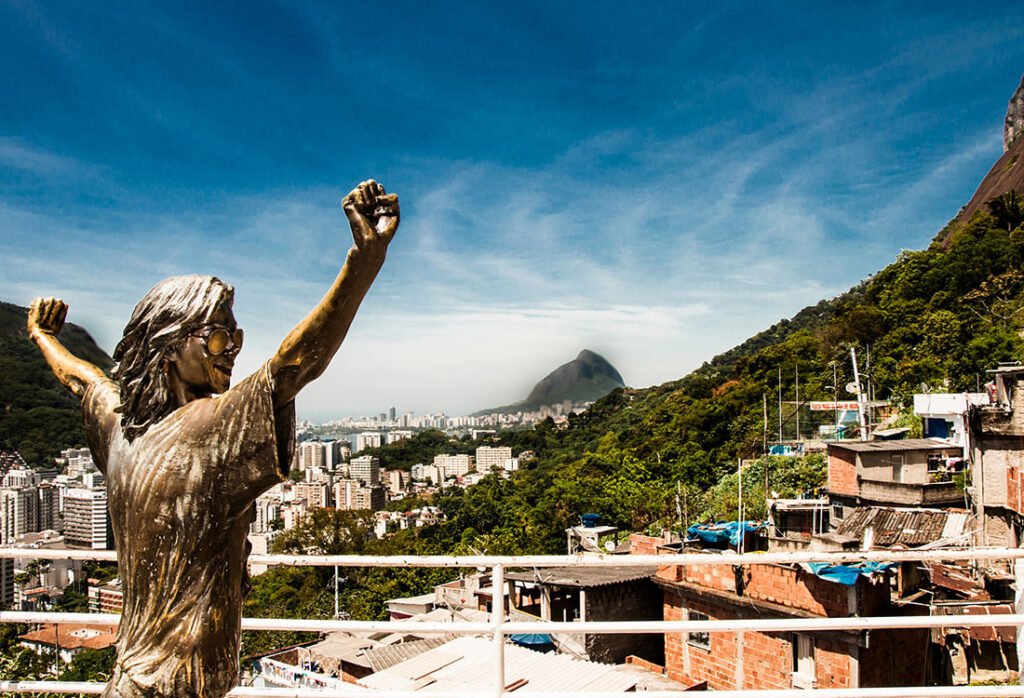
The name “Dona Marta” honors the mother of the owner of the old São Silvestre Farm, which occupied the area in the 17th century. But the place’s modern fame got an international boost with the aforementioned Michael Jackson music video in 1996. Although the most iconic scenes were filmed in the Santa Marta Favela, located on the slope below, the viewpoint served as a base and offers a panoramic view that includes the community, immortalizing the connection. Additionally, the helipad has been the setting for various productions and events, solidifying Dona Marta as one of Rio’s most cinematic backdrops.
Beyond Dona Marta: Views That Complement Each Other
It’s natural to compare Dona Marta Viewpoint with the other two giants of Rio’s skyline: Sugarloaf Mountain and Christ the Redeemer. But the truth is, they complement each other beautifully! From Sugarloaf, you get a spectacular view of Guanabara Bay, Copacabana, and even Christ himself in the distance. From Christ, you’re at the highest point, with a 360-degree view that includes the North Zone, the Lagoon, and the beaches. Dona Marta sits in a unique spot, almost “between” the two icons, allowing for that classic photo with both in the frame, plus a privileged view of Botafogo and Flamengo Park. Visiting all three offers different, equally captivating perspectives of the city. Don’t think of it as “which is best,” but rather how each one adds a piece to the puzzle of Rio’s beauty.
Before You Go: Don’t Forget to Check!
As with any trip, practical info can change. Access hours to Tijuca National Park, potential parking fees, or temporary restrictions can pop up. So, before you leave your hotel, it’s worth a quick check of official sources, like the Tijuca National Park website or traffic and transit apps, to confirm access conditions and avoid any surprises.
Is It Worth It? Our Passionate Verdict on Dona Marta Viewpoint
Is visiting Dona Marta Viewpoint worth it? Absolutely, without a doubt! It’s one of those places that stays etched in your memory and on your camera roll. The combination of the spectacular view, the feeling of being immersed in the lush nature of Tijuca Park, and the relative tranquility (if you pick your timing right) make it an unmissable experience in Rio de Janeiro. It’s your chance to see the Marvelous City from a privileged angle, feel its energy, and understand why it captivates so many. Get ready for gasps, tons of photos, and the urge to come back again and again. Dona Marta isn’t just a viewpoint—it’s a love letter to Rio. I hope this guide helps you plan an unforgettable visit. Safe travels, and soak up every second!