Inaugurated in 1950 for the FIFA World Cup, Maracanã Stadium is more than just a soccer arena—it’s a monument to Brazilian sports culture. Over the decades, it has cemented its place as one of the most important stadiums in the world, hosting legendary matches and unforgettable events that have left their mark on sports history.
Dica: Aproveite também para fazer estes passeios no Rio de Janeiro
Cristo Redentor de trem e tour pelo Rio de janeiro. Duração: 4 horas
Passeio grátis pelo centro histórico do Rio e Lapa. Duração: 3 horas
Free tour pelo bairro de Santa Teresa. Duração: 2h 30m
Amanhecer no mirante de Dona Marta + Cristo Redentor Duração: 4 horas
Veja todos os passeios e tranfers no Rio de Janeiro
A Monument of Brazilian Soccer
Located in the heart of Rio de Janeiro, the Maracanã Stadium, officially named Estádio Jornalista Mário Filho, was given this name in honor of the sports journalist who strongly supported its construction. However, its popular name “Maracanã” comes from the river of the same name that runs nearby.
Today, it has a capacity of around 78,000 people.
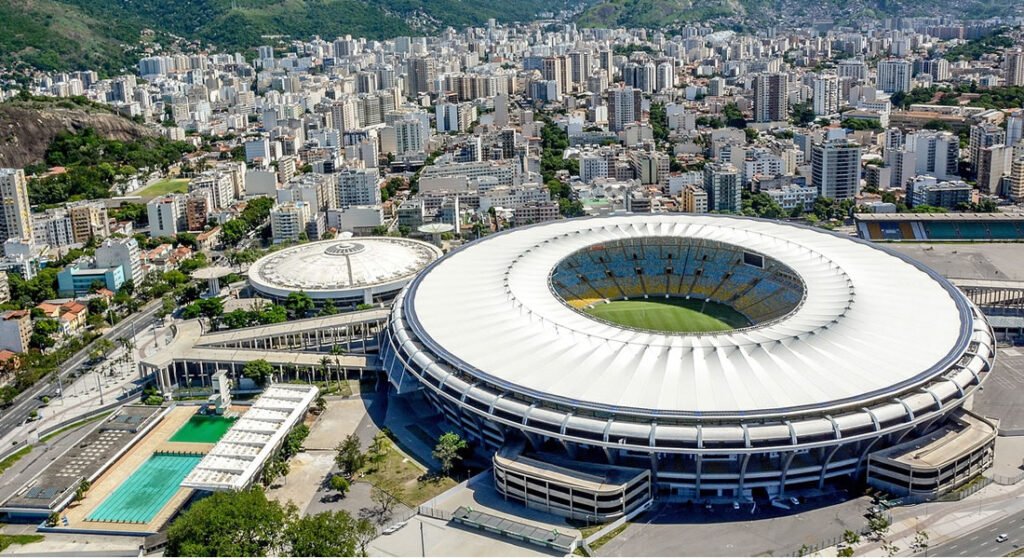
With an impressive capacity that once reached 200,000 people, Maracanã was built for the 1950 World Cup, an event that symbolized Brazil’s rise on the international soccer scene. Although Brazil suffered a devastating defeat to Uruguay in that tournament’s final—the famous “Maracanazo”—the stadium became a symbol of Brazilian soccer’s resilience and passion, continuing to be revered by fans and players alike.
Architecture and Renovations of Maracanã
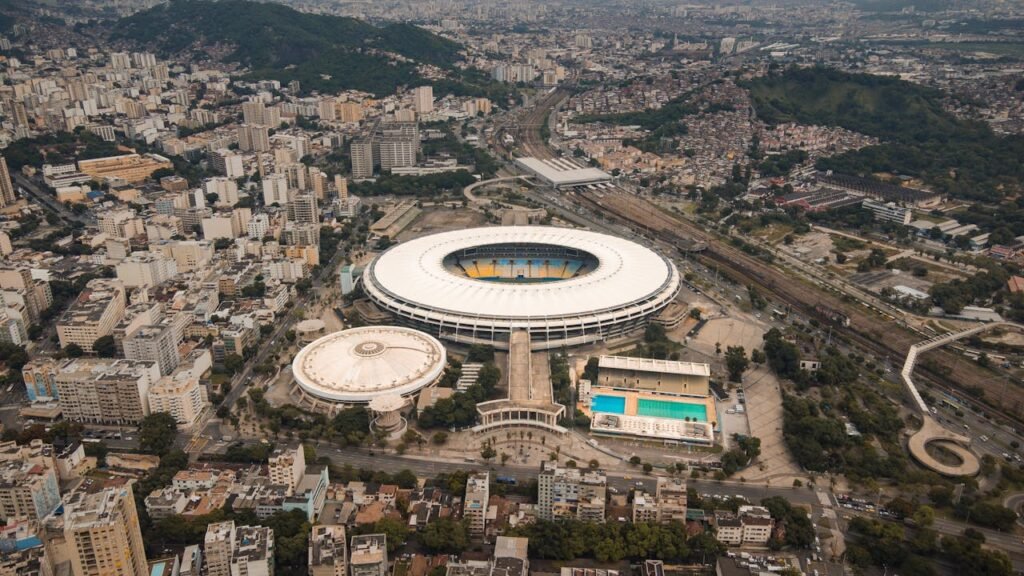
Since its construction, Maracanã’s architecture has impressed with its grandeur and functionality. Its circular design ensures a clear view of the field from any point in the stadium, which was a major advancement in spectator experience. The roof, which initially covered only part of the stands, was expanded in the most recent renovations, providing greater comfort for the public.
Tip: Discover Christ the Redeemer: its history, tips, and tickets
The stadium has undergone several renovations over the years, especially in 2014, to host the FIFA World Cup once again. These upgrades modernized the venue’s infrastructure, improving safety and services without losing its historic character. Today, with a capacity of around 78,000 people, Maracanã remains a landmark in sports and architecture, masterfully blending the old and the modern.

Historic Moments at Maracanã Stadium
Maracanã has been the stage for some of the most iconic moments in world soccer. The “Maracanazo” in 1950 is undoubtedly the most famous episode, when Brazil, playing at home, lost the final to Uruguay in a dramatic match. The silence of over 200,000 fans who expected a Brazilian victory marked sports history. However, the stadium has also witnessed great triumphs of the Brazilian national team, such as winning the 2013 Confederations Cup and the 2014 World Cup final.
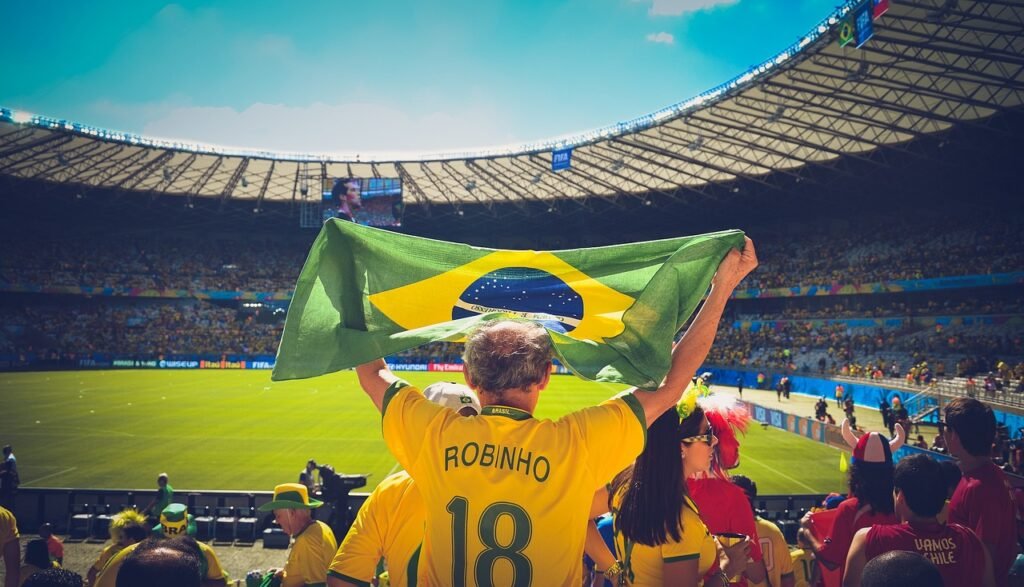
Beyond soccer events, the stadium has been used for many other major occasions. It hosted the opening and closing ceremonies of the 2016 Olympic Games, as well as concerts by international superstars like Paul McCartney and Madonna. These events showcase Maracanã’s versatility and importance on the global cultural and sports stage.
Maracanã Stadium: A Space of Culture and Entertainment
Maracanã is not just a symbol of soccer, but also of Brazilian culture. Many consider it the beating heart of sports in the country, and visiting it is an experience that goes beyond watching a match. For those visiting Rio de Janeiro, a guided tour of Maracanã is a chance to feel up close the atmosphere of one of the world’s most iconic arenas.
Walking across the pitch, visiting the locker rooms, and exploring the stadium’s museum is an unforgettable experience, especially for football lovers. The stadium offers guided tours that immerse visitors in the rich history of the sport and the venue itself, showcasing trophies, historic jerseys, and videos of the greatest moments ever played at Maracanã.
Cultural and Social Impact
More than just a venue for sporting events, Maracanã holds enormous cultural and social significance for Brazil. Over the decades, it has served as a meeting point for fans, families, and friends who share a love for football. Even those who aren’t die-hard sports fans recognize Maracanã as an icon of national identity.
Furthermore, the stadium is also frequently used as a stage for charity events and social initiatives, reinforcing its role in the community. From charity matches featuring football stars to programs aimed at helping underprivileged communities, Maracanã has played an active role in promoting social well-being, showing that its impact goes far beyond the four lines of the pitch.
The Future of Maracanã Stadium
With its rich history and prominent position on the global sports stage, the future of Maracanã looks just as bright as its past. The stadium will continue to be an essential venue for Brazilian football and the world of sports. International events, decisive matches, and a wide range of cultural spectacles will keep taking place there, ensuring Maracanã remains a vibrant and relevant landmark.
In the coming years, the stadium is likely to keep modernizing, always seeking to improve the experience for fans and event attendees. However, regardless of the changes, one thing is certain: Maracanã will continue to be one of the greatest symbols of world football and a source of pride for Brazil.
Practical Tips for an Unforgettable Visit
To make the most of your visit to Maracanã, it’s important to be well-informed. The guided stadium tour runs daily from 9 AM to 5 PM, except on game days or special events. It’s recommended to check the stadium’s official calendar before planning your visit, as hours may vary.
Tickets for the tour can be purchased directly at the stadium box office or through the official website. For those looking to catch a match, buying tickets in advance is highly recommended, especially for important games or classic derbies.
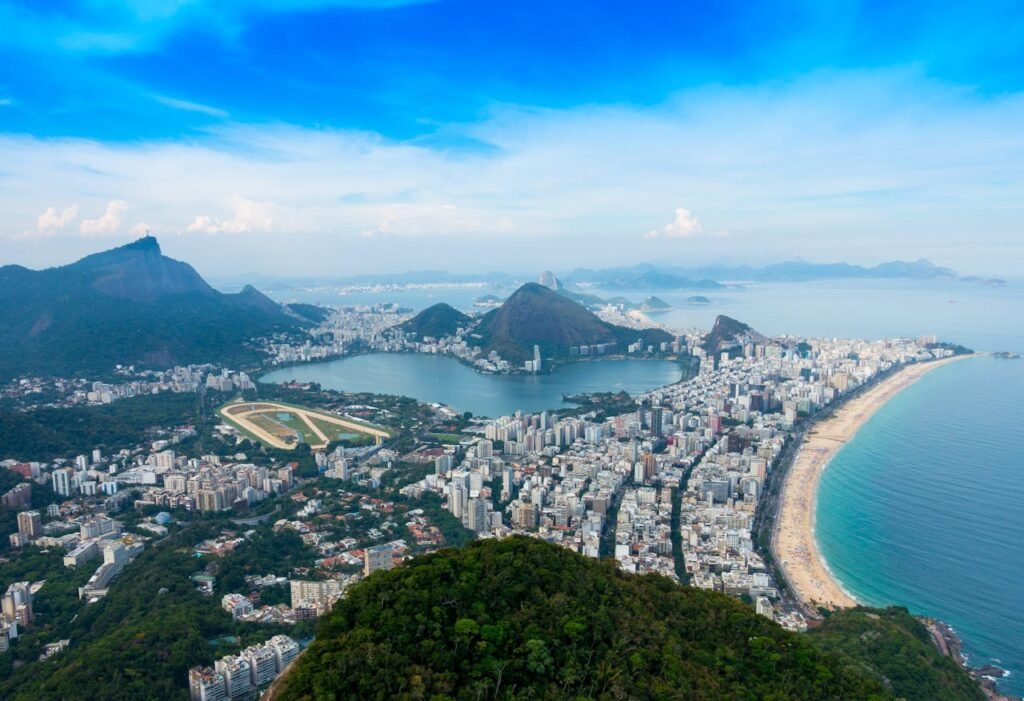
Keep in mind that on game days, the area around the stadium gets quite busy. Arrive early to soak up the pre-match atmosphere, which includes food stalls serving local treats and the contagious energy of the fans.
Maracanã on Your Itinerary
So, on your next trip to Rio de Janeiro, make sure to include Maracanã in your itinerary. Come discover why this stadium is so much more than concrete and grass. It’s a living monument to the passion, history, and unyielding spirit of the Brazilian people. Who knows? You might even find yourself shouting “Goal!” alongside thousands of passionate fans, living a moment that will stay with you forever.
Frequently Asked Questions
Who is the true owner of Maracanã?
There isn’t a single “true owner.” Maracanã is public property, and ownership belongs to the State of Rio de Janeiro. However, management and commercial operations are carried out through concessions, which change over time.
Who owns Maracanã now?
Currently, the management of Maracanã is shared between the Rio de Janeiro State Government and the private sector, through concessions. This arrangement ensures the stadium is well-maintained and continues to be an important events hub.
Why is the stadium called Maracanã?
The name “Maracanã” comes from the river that flows near the stadium. Officially, it’s called “Estádio Jornalista Mário Filho,” in honor of the journalist who championed its construction.
What is the current capacity of Maracanã Stadium?
After the renovations for the 2014 World Cup, the stadium has a current capacity of approximately 78,000 people.
What major events have taken place at Maracanã?
In addition to hosting two World Cup finals (1950 and 2014), Maracanã has hosted the 2016 Olympic Games ceremonies, Copa Libertadores finals, and concerts by international artists like Paul McCartney and Madonna.
Is Maracanã still used for football matches?
Yes, Maracanã is regularly used for football matches, especially for Rio clubs like Flamengo and Fluminense, as well as Brazilian national team games.
What was the largest crowd ever recorded at Maracanã?
The largest crowd in Maracanã’s history was in 1950, during the World Cup final, with over 200,000 people in attendance.
How can I visit Maracanã?
The stadium offers guided tours, allowing visitors to explore exclusive areas like the locker rooms, the pitch, and the museum that celebrates the site’s rich history.
What’s at Maracanã today?
Maracanã is a multifunctional space. In addition to football matches, the stadium hosts concerts, corporate events, and other sporting events. The venue also features a museum that tells the story of Brazilian football and of Maracanã itself.
Is it true that Maracanã belongs to Flamengo?
No, Maracanã doesn’t belong to any particular football club. It’s public heritage and is open to all teams and events.
Who’s in charge of Maracanã today?
The management of Maracanã is shared between different agencies and companies, such as the Rio de Janeiro State Government and the concessionaire company. There’s no single person or entity that “runs” the stadium.
What’s the best arena in Brazil?
The definition of “best arena” is subjective and can vary based on criteria like structure, location, accessibility, and fan experience. Besides Maracanã, other Brazilian arenas like Neo Química Arena (Corinthians) and Allianz Parque (Palmeiras) are often cited as the best in the country.
How to get to Maracanã? A complete guide for you to enjoy the game!
How about a complete guide so you don’t miss a single detail on how to get to Maracanã? Whether by subway, train, or even by car, we’ll help you plan your journey and enjoy the game with peace of mind.
By subway — the most practical and fastest option?
The best way to get to Maracanã is by subway. The Maracanã station is located right next to the stadium, making access super easy.
- Lines: The Maracanã station is served by Line 2 (green) of the metro.
- How to get there: Just board at any Line 2 station and ride to Maracanã station.
- Map: To view the line map and plan your route, visit the Metrô Rio website.
What’s the Maracanã address?
Avenida Presidente Castelo Branco, s/n – Maracanã, Rio de Janeiro – RJ
How to get to Maracanã on game day?
On game days, the Maracanã area tends to get pretty busy. That’s why it’s important to plan ahead and leave home early. Besides the metro, you can also take buses or use ride-hailing apps.
From Copacabana to Maracanã, how do you get there?
If you’re staying in Copacabana, your best bet is to hop on the metro at General Osório station and transfer to Line 2 toward Maracanã station.
By train:
Although it’s not the most common option, you can reach Maracanã by train. The closest station is Central do Brasil. From Central, you can grab a bus or taxi to the stadium.
Where to park at Maracanã:
Finding a parking spot at Maracanã can be a challenge, especially on game days. There are a few private parking lots near the stadium, but prices tend to be steep.
Is there a metro at Maracanã?
Yes! The easiest and fastest way to get to Maracanã is by metro. The Maracanã station is located right next to the stadium and is served by Line 2 (green).
How do I get to the Maracanã entrance?
When you get off at Maracanã station, you’ll find several exits that lead you straight to the stadium gates. Just follow the signs and you’ll reach your destination in no time.
Which train should I take to Maracanã?
There’s no train line that takes you directly to Maracanã. The most common option is the metro, which offers more convenience and speed.
Which metro should I take from Copacabana to Maracanã?
To get from Copacabana to Maracanã by metro, take Line 1 (red) to Glória station and transfer to Line 2 (green) toward Maracanã station.
What’s the train station before Maracanã?
There’s no train station right before Maracanã. The closest one is Central do Brasil, but to get to Maracanã from there, you’ll need to use another mode of transport like a bus or taxi.
Is there a metro to Flamengo?
Yes, the Flamengo neighborhood is well served by the metro. The closest station is Glória, which is on Line 1 (red).
Where do I catch an Uber at Maracanã?
You can request an Uber from just about anywhere near Maracanã. Ride-hailing apps usually have well-defined pickup and drop-off points, making it easy for users to get around.
What neighborhood is Maracanã Stadium in?
Maracanã Stadium is located in the Maracanã neighborhood, in the North Zone of Rio de Janeiro.
How do I access Maracanã?
There are several ways to get to Maracanã:
- Metro: The fastest and most practical option.
- Bus: Several bus lines pass near the stadium.
- Car: You can drive, but you’ll need to worry about parking, which can be hard to find on game days.
- Ride-hailing apps: Uber, 99, and other apps are great options if you’d rather not deal with driving.