Nestled between the greenery of Aterro do Flamengo and the waters of Guanabara Bay, a concrete building with V-shaped pillars and enormous glass panels catches the eye of anyone passing through Rio’s South Zone. This is MAM — the Museum of Modern Art of Rio de Janeiro, a landmark of Brazilian modernist architecture and, at the same time, one of the country’s most important art spaces.
In this guide, I’ll explain why MAM deserves a spot on your itinerary, what to expect from the building and the garden designed by Burle Marx, how visits work, and why this spot pairs so perfectly with a stroll through Aterro do Flamengo.
Dica: Aproveite também para fazer estes passeios no Rio de Janeiro
Cristo Redentor de trem e tour pelo Rio de janeiro. Duração: 4 horas
Passeio grátis pelo centro histórico do Rio e Lapa. Duração: 3 horas
Free tour pelo bairro de Santa Teresa. Duração: 2h 30m
Amanhecer no mirante de Dona Marta + Cristo Redentor Duração: 4 horas
Veja todos os passeios e tranfers no Rio de Janeiro
Where MAM Rio is located and how to get there
The museum sits at Avenida Infante Dom Henrique, 85, within Parque do Flamengo (the Aterro), between Centro and Glória — right near the Museum of Tomorrow and Praça Mauá.
- Metro: Glória station (Line 1) is a short, few-minute walk from the museum’s entrance.
- Bus: several lines running along Avenida Infante Dom Henrique and through the Glória/Centro area stop close to the museum.
- On foot: if you’re walking through Aterro do Flamengo (coming from Botafogo or Centro), MAM is one of the park’s first visual landmarks, with its unmistakable silhouette.
- Car or ride-hailing app: there’s parking on the museum grounds, but on busy days (events, weekends) you might face a wait for a spot.
The architecture: Affonso Eduardo Reidy’s modernist project
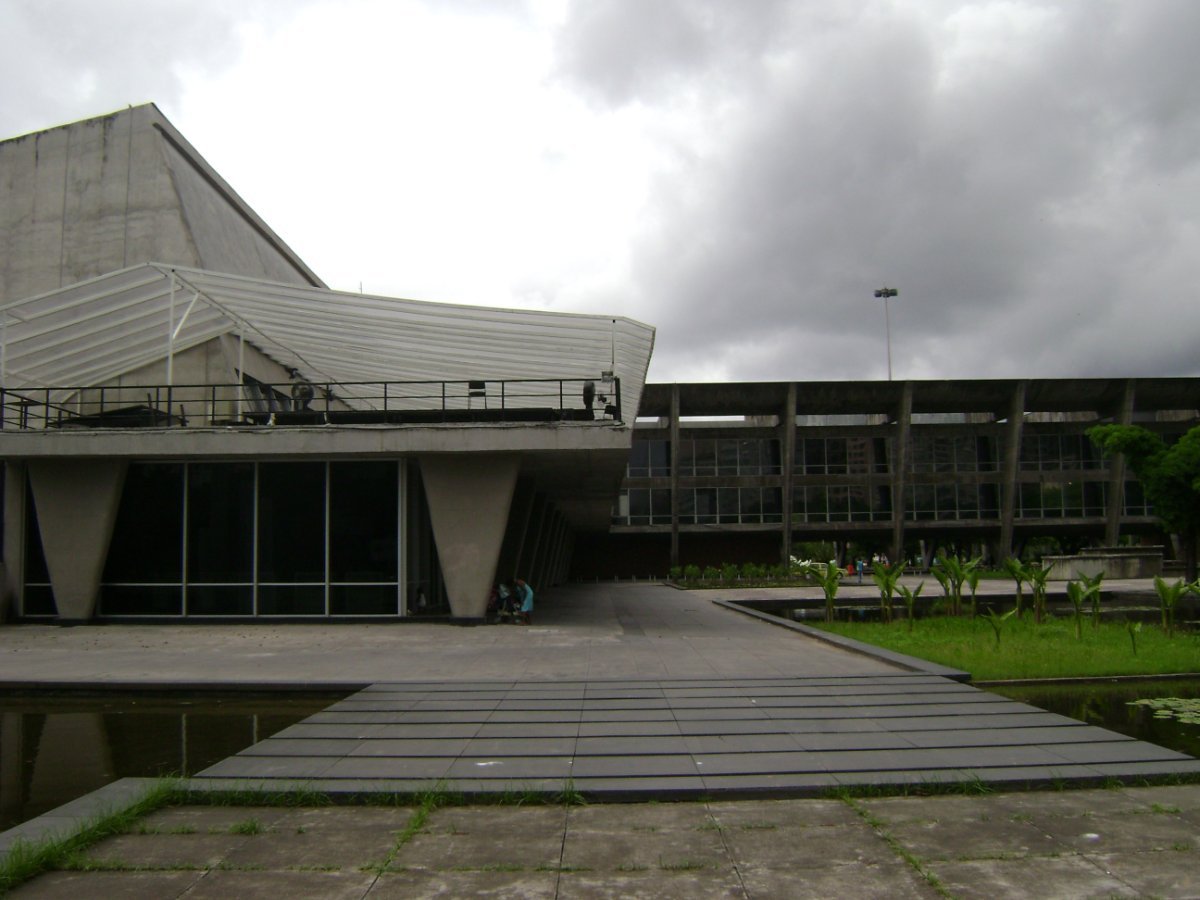
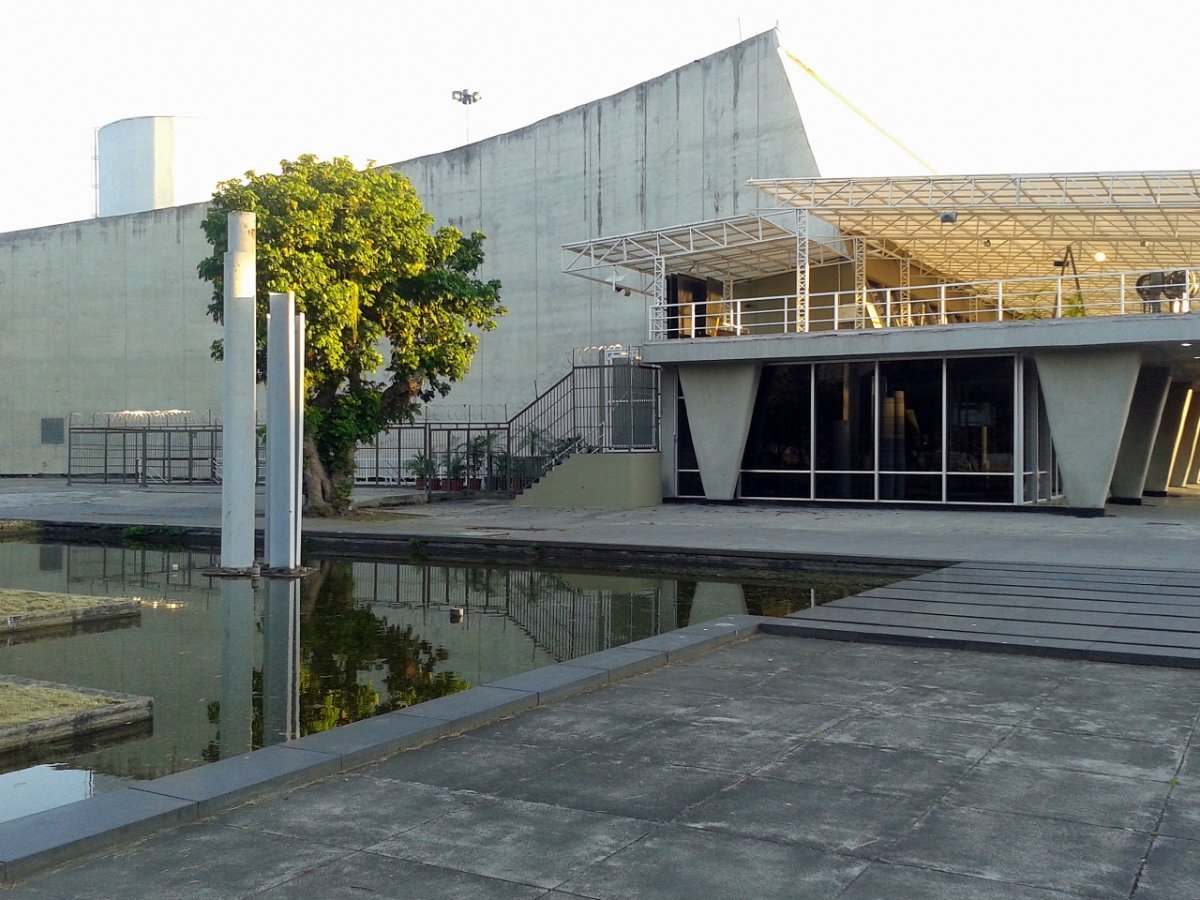
The MAM building is considered one of the great landmarks of modern architecture worldwide. Designed by architect Affonso Eduardo Reidy, with construction starting in the 1950s and the main building in operation since 1958, the museum is especially known for its V-shaped concrete pillars that support the structure, creating a huge open span beneath the main body of the building — a remarkable engineering feat for its time.
The glass facades let natural light flood the exhibition spaces and create a sense of continuity between the museum’s interior and the surrounding landscape: the Aterro, the bay, and Sugarloaf Mountain in the background. For architecture lovers, it’s worth walking around the building just to observe the angles, the spans, and how the structure seems to “float” above the ground floor.
The garden designed by Burle Marx
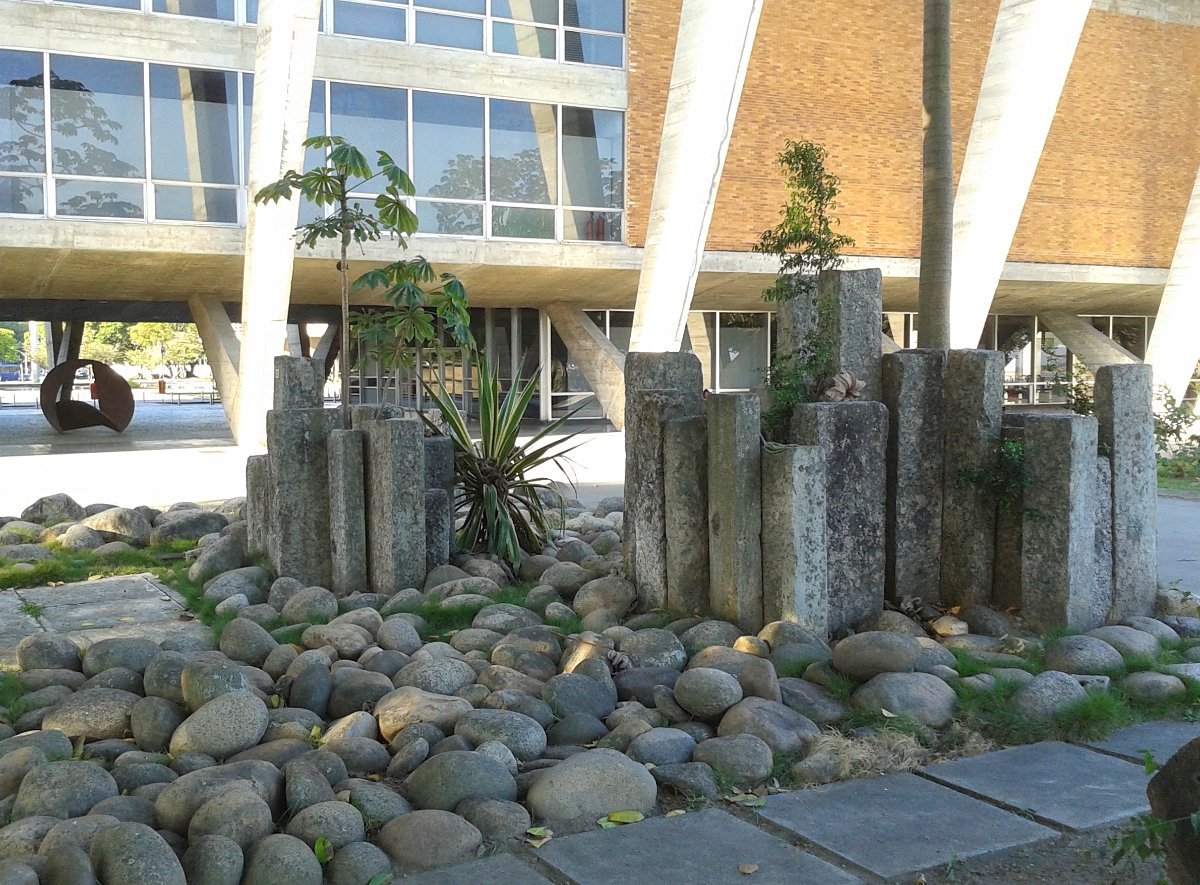
Surrounding the building is one of the most important gardens by landscape architect Roberto Burle Marx, completed back in the 1950s. Unlike more traditional geometric and formal gardens, Burle Marx worked with organic shapes, native Brazilian species, and compositions that deliberately contrast with the geometric rigidity of Reidy’s concrete pillars.
The result is a space that works both as a work of art in itself — many people visit MAM just to walk through the garden and admire the arrangement of plants and pathways — and as a smooth transition between the building and the rest of Aterro do Flamengo. On sunny days, it’s one of the most pleasant spots in the area to sit, rest your feet after a walk, and take in the view of the bay.
The collection and temporary exhibitions
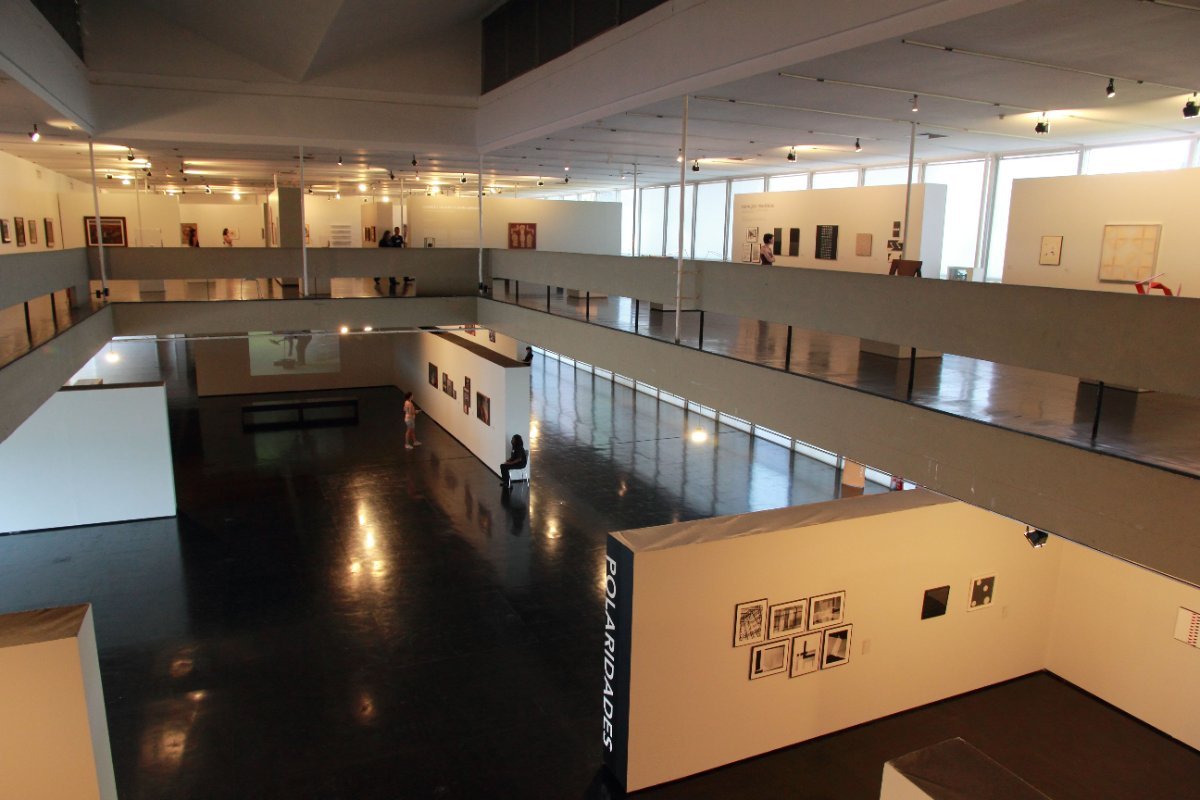
MAM houses a collection that covers a large portion of Brazilian artistic production from modernism onward, with works in painting, sculpture, photography, design, and contemporary art. Beyond the permanent collection, the museum typically maintains an active schedule of temporary exhibitions that change throughout the year, often featuring both established names in Brazilian art and emerging contemporary artists.
Since the programming changes frequently, it’s worth checking the museum’s official website (mam.rio) before your visit to see which shows are currently on — sometimes there are also free activities, like workshops and themed guided tours, aimed at both adults and children and families.
In addition to the main galleries, MAM also houses spaces for cinema and educational activities, reclaiming — albeit on a different scale — the museum’s long-standing vocation of being not just a place to see art, but also a center for learning and debate about contemporary art. Schools and groups often schedule guided visits, where museum educators lead conversations about the works on display.
The 1978 fire: a scar in the museum’s history
You can’t talk about MAM’s history without mentioning one of the saddest episodes in Brazilian culture: in July 1978, a fire destroyed a large portion of the collection stored in the building, including hundreds of works by Brazilian and international artists and virtually the entire MAM Cinematheque collection, with thousands of film reels.
The museum recovered over the following decades, rebuilding its collection through donations, acquisitions, and partnerships — and the building itself, restored, remains a symbol of resilience as much as of architecture. For those interested in the history of Brazilian art and culture, it’s worth asking the museum’s educators about this chapter during a guided tour.
Hours, tickets, and guided tours
MAM Rio typically operates Wednesday through Sunday (including holidays), from 10 AM to 6 PM. On Sundays, there’s a special reserved hour from 10 AM to 11 AM for visitors with intellectual disabilities.
Admission is free, but some spaces or special exhibitions may have specific ticket prices, sold through the museum’s own website. Since both the programming and any potential fees can change, the best approach is to check the official website (mam.rio/ingressos) or the museum’s official channels shortly before your visit, especially if you want to join a guided tour or a special activity.
MAM, Museum of Tomorrow, and Praça Mauá: a cultural hub to explore
One of the advantages of visiting MAM is its proximity to another major cultural hub in Rio: the Praça Mauá area and the Museum of Tomorrow, with its futuristic architecture designed by Santiago Calatrava. The distance between the two museums can be covered on foot in just a few minutes, along a route that follows the waterfront and showcases two very different moments in Rio’s architecture — Reidy’s modernism from the 1950s and the contemporary design of the Museum of Tomorrow, inaugurated in the 21st century.
For anyone planning a day of culture in Centro and along the waterfront, a smart approach is to start at MAM (in the morning, when the museum is quieter), enjoy Burle Marx’s garden for a break, and then walk to Praça Mauá and the Museum of Tomorrow, ending the outing with a view of the bay at sunset — one of the most beautiful postcards in the city.
Safety: what to know before you visit
The MAM and Aterro do Flamengo area tends to be quite lively during the day, especially during exercise hours (morning and late afternoon) and on weekends, when families and cyclists take over the paths. This helps with the overall sense of safety, but some precautions are still worth taking:
- Avoid walking through isolated stretches of the park outside peak hours, especially after dark.
- Keep an eye on your personal belongings — phones and cameras — especially in busier areas like the museum entrance and photo stops.
- If you’re walking between MAM and other Centro attractions (Museum of Tomorrow, Praça Mauá), prefer doing so during daylight hours, since part of the route goes along wide avenues with less pedestrian traffic.
- Use the museum’s parking lot or ride-hailing apps if you’re carrying valuable equipment, like professional cameras.
Best day and time to visit
Since MAM is closed on Mondays and Tuesdays, your planning starts there. Within the operating week (Wednesday to Sunday):
- Wednesday to Friday mornings: these tend to be the quietest periods, with fewer visitors and more space to appreciate the collection and the garden at your own pace.
- Weekends: the museum tends to draw bigger crowds, especially when there’s special programming or free family activities — great if you want to soak up a livelier vibe, but expect more people around.
- Late afternoon: the golden light streaming through the glass facades creates a beautiful effect both inside the museum and in the garden — worth considering this time if you enjoy photography.
It’s also worth noting that, since MAM sits inside Aterro do Flamengo, pairing your visit with a stroll through the park (before or after) feels almost natural—and it works well on both weekdays and weekends, depending on what you’re after.
Fun Facts About MAM Rio
- The building and garden project began back in the 1950s, at a time when Rio de Janeiro was in the middle of a modernist architecture boom—the same era that produced other landmarks like Aterro do Flamengo and, later, Brasília.
- MAM’s “V”-shaped pillars are frequently cited in architecture books and studies as an example of structural reinforced concrete paired with striking aesthetics.
- The Burle Marx garden surrounding MAM is itself considered a landscape design work of historical significance, not just a “sidekick” to the building.
- Even after the 1978 fire, MAM became one of Brazil’s most active contemporary art hubs, hosting exhibitions featuring major names in Brazilian and international art.
- The MAM complex, designed to house not only galleries but also an art school and auditorium, was conceived as a “cultural complex”—a pretty forward-thinking idea for 1950s Brazil.
- The view from MAM’s garden toward Sugarloaf Mountain is one of the favorite angles for photographers and visitors looking to capture Guanabara Bay’s landscape without the chaos of more touristy spots.
Frequently Asked Questions About MAM Rio
Is MAM Rio free?
General admission is usually free, but special exhibitions may have their own ticket. It’s worth checking the official website (mam.rio) before you go.
Which days is MAM closed?
The museum is typically closed on Mondays and Tuesdays, open Wednesday through Sunday, including holidays.
How long does it take to visit MAM?
To see the main collection, a temporary exhibition, and walk through the garden, set aside 1.5 to 2.5 hours, depending on your interest in art and architecture.
Is MAM close to other downtown attractions?
Yes—the Museum of Tomorrow and Praça Mauá are a short walk away, and Aterro do Flamengo stretches along the nearby waterfront, connecting the museum to other leisure areas in the South Zone.
Is MAM worth visiting even without a specific interest in contemporary art?
Yes. Even if you’re more into architecture and landscaping, MAM offers one of the most important examples of Brazilian modernism, with the Burle Marx garden working as an attraction in its own right.
Wrapping Up
MAM Rio is one of those stops that brings together art, architecture, landscaping, and history in a single place—all facing one of the city’s most beautiful views. Fit it into a day exploring Aterro do Flamengo, set aside an afternoon from Wednesday to Sunday, and soak up both the exhibitions and the garden designed by Burle Marx.