Praça XV Antiques Fair: What to Find and How to Make the Most of It
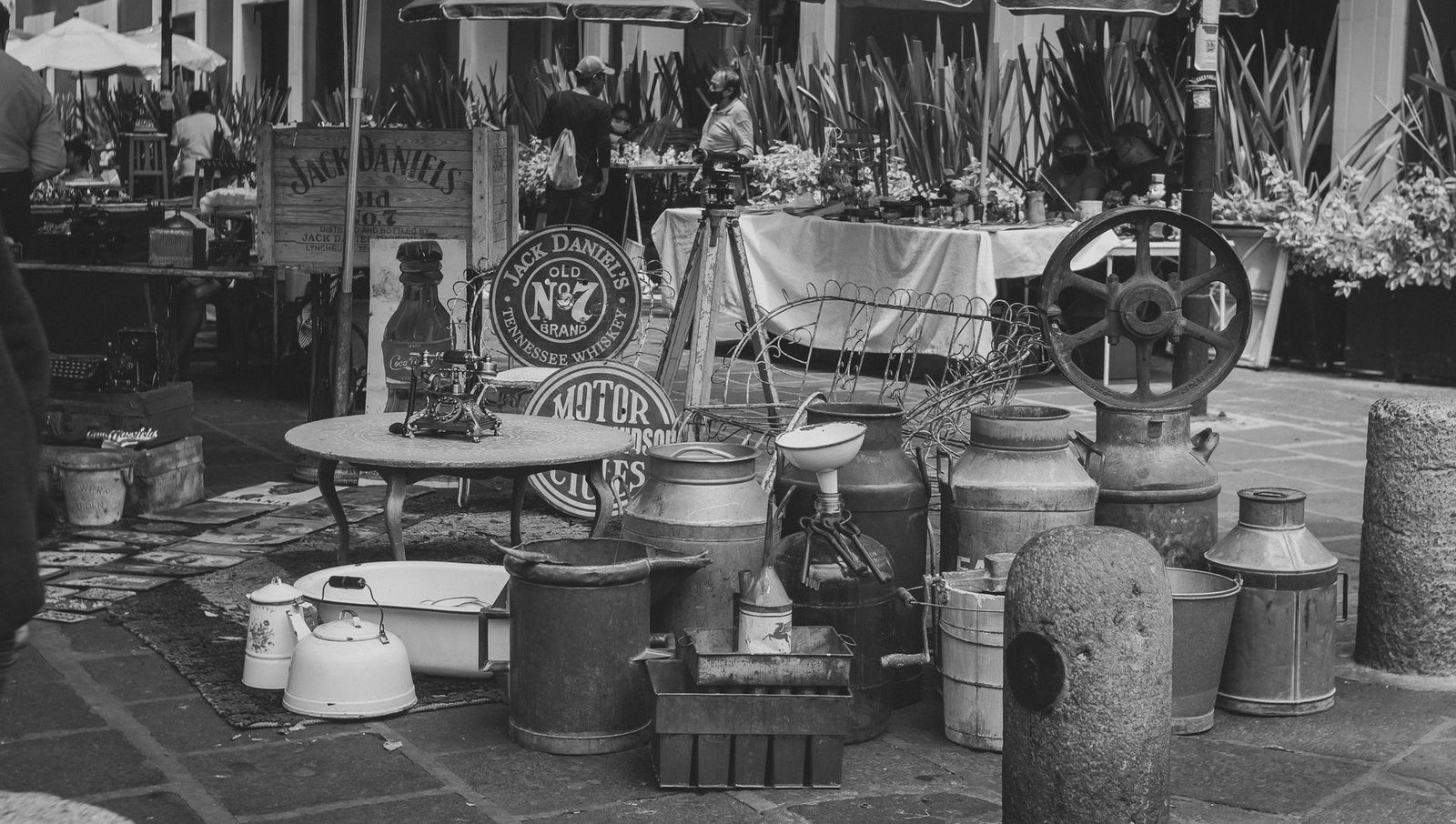
Every Saturday morning, Praça XV de Novembro, in the historic heart of Rio de Janeiro, transforms into a maze of stalls and stands where a 1970s turntable, a stack of old magazines with worn covers, and a pile of paintings in gilded frames all wait for a new owner. The Praça XV Antiques Fair has been around for decades, drawing a curious mix of professional collectors, tourists with cameras slung around their necks, and downtown locals who spend their Saturday treasure-hunting over a cup of coffee.
The fair is free — no one pays to get in — and it takes place in an open-air space, making it easy to fit into any itinerary around Rio’s city center. If you have no intention of buying anything and just want to wander and see what turns up, that’s fine too: almost no one walks into an antiques fair knowing exactly what they’ll leave with.
Dica: Aproveite também para fazer estes passeios no Rio de Janeiro
Cristo Redentor de trem e tour pelo Rio de janeiro. Duração: 4 horas
Passeio grátis pelo centro histórico do Rio e Lapa. Duração: 3 horas
Free tour pelo bairro de Santa Teresa. Duração: 2h 30m
Amanhecer no mirante de Dona Marta + Cristo Redentor Duração: 4 horas
Veja todos os passeios e tranfers no Rio de Janeiro
Where it is and when it happens
Praça XV de Novembro sits in the Saúde neighborhood, in Rio’s Port Zone, near the Novo Rio bus terminal and the Museum of Tomorrow. By metro, the Uruguaiana station (Line 1) is about a ten-minute walk away. By bus, several lines run along Av. Rio Branco and stop nearby.
The fair happens on Saturdays, usually from 8 AM to 5 PM. The best time to go is between 9 AM and 11 AM, when the crowds are still manageable, all the stalls are set up, and the morning temperature is more pleasant — especially during the summer months. After noon, the heat picks up, some vendors start packing away, and the sellers’ willingness to negotiate tends to drop.
Double-check that it’s happening before you go, since holidays and heavy rain can change the schedule. A quick search for “Feira de Antiguidades Praça XV Rio” close to your visit date will give you an up-to-date idea of any cancellations.
What you’ll find
Variety is the fair’s main draw. In a single Saturday, you might come across old coins from the Brazilian imperial period, samba and bossa nova vinyl records in good shape, mechanical film cameras, china bearing the crests of long-gone hotels, miniature cars and planes, magazines from decades past, hand-carved wooden saints, topographic maps, pocket watches, and countless knick-knacks that defy any categorization.

There’s also a strong showing of décor items: oil paintings of landscapes and portraits, mirrors with ornate frames, lamps with porcelain bases, leather trunks, and chairs with woven cane seats. Those with a trained eye can find quality pieces for far less than they’d pay at a formal antiques shop. Those just starting out will likely leave with a curious keepsake and the feeling of having rummaged through a giant trunk.
Books and magazines deserve a special mention. Several vendors specialize in old publications — hardcover encyclopedias, niche magazines from past decades, first editions of Brazilian authors, and an improbable number of travel guides from the 1980s and 1990s featuring cities that look completely different in the photos today. For anyone interested in history, they’re a goldmine.
Tips for hunting well
Give yourself plenty of time. An hour rushing through the fair will yield far less than two hours of slow circling, stopping at each stall, asking about the objects, and going back to that painting you spotted at the first table. Treasure hunting takes patience, and Praça XV has enough space to fill an entire morning without repeating yourself.
Bring cash. Most vendors accept cash as their primary form of payment, and some only take cash. A few have card machines, but having bills on hand makes negotiating easier and avoids the awkwardness of losing a purchase for lack of change.
Look carefully before asking prices. One of the unwritten rules of antiques fairs is that showing too much interest drives the price up. Circulate, observe, hold the object, and only ask the price when you’re genuinely interested. You don’t need any special tactics — just being natural helps a lot.

If you’re interested in a specific category — coins, stamps, vinyl, cameras, porcelain — it’s worth asking a more experienced vendor at the entrance where the specialized stalls for that type of item are. Fairs with many years of history tend to have a loose, informal organization by category, and the vendors themselves know each other and point customers to one another.
How much it costs and how to negotiate
Prices vary widely. A vinyl record in good condition can go for R$ 20 or R$ 150, depending on the artist, rarity, and condition. A working mechanical camera might be R$ 80 or R$ 500. More decorative items — trinkets, picture frames, vases — tend to be more affordable, usually between R$ 15 and R$ 80 at most stalls.
Negotiating is expected and welcome. Rarely is the first price quoted the final price, especially if you’re buying more than one item from the same vendor. The most effective approach is simple: ask the price, show genuine interest, and offer a reasonably lower amount. A reduction of fifteen to twenty percent is common and accepted without much fuss in most cases. Offers far below the asking price embarrass the vendor and rarely result in a discount — it has the opposite effect.
Pairing it with a stroll through the historic center
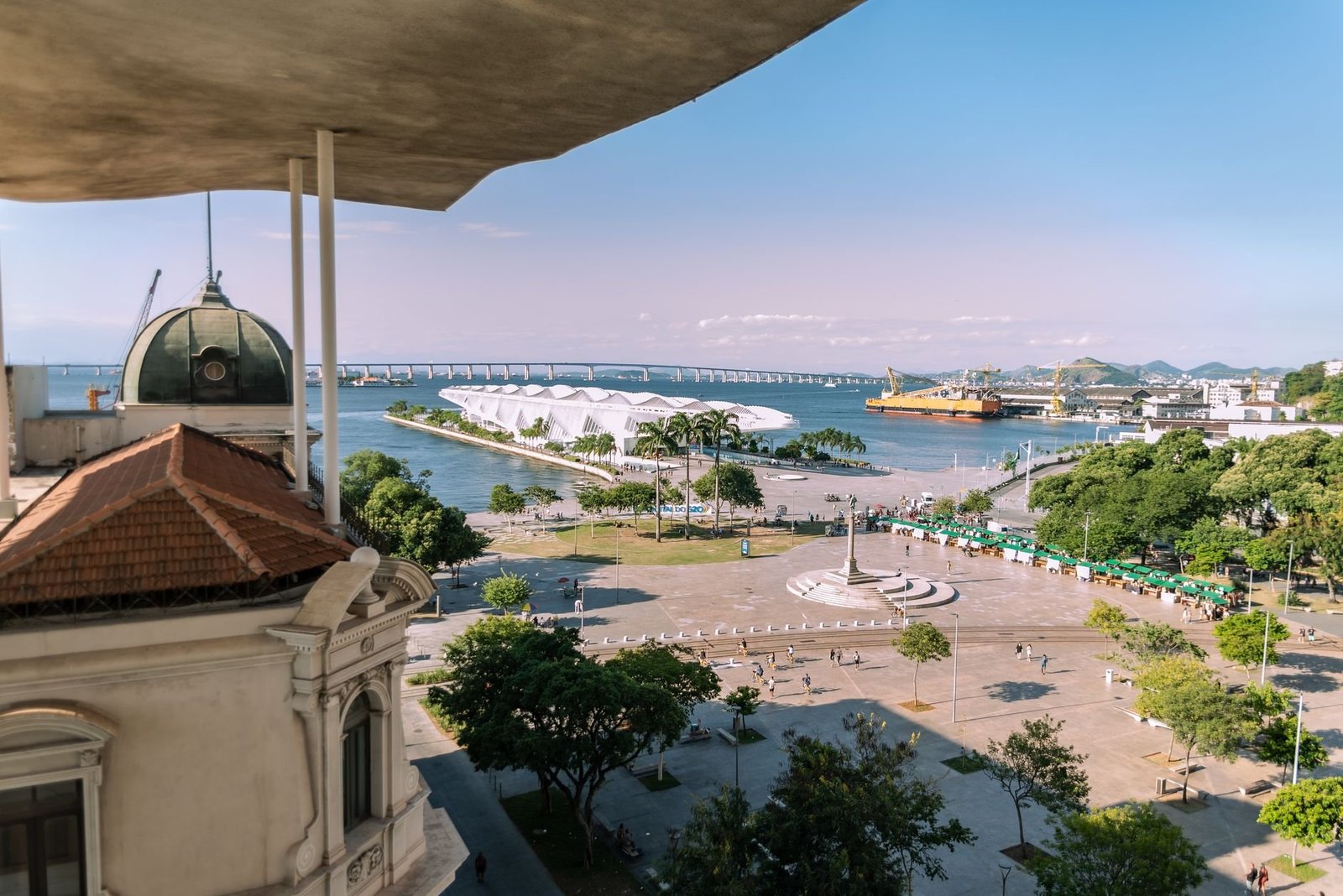
The fair’s location is excellent for anyone looking to explore Rio’s center in a single Saturday. Praça XV is a fifteen-minute walk from the Real Gabinete de Leitura (Royal Reading Room), one of Brazil’s most beautiful libraries, with its collection of over 350,000 volumes and the Neo-Manueline hall that impresses anyone who steps inside. Praça Mauá, with the Museum of Tomorrow and the MAR (Rio Art Museum), is a ten-minute walk toward the port waterfront.
If you want to have lunch in the area, there are good options nearby: Travessa do Comércio has traditional restaurants that are open during the week and also on Saturdays. For breakfast or a snack after the fair, there are bakeries and cafés right on Praça XV and on the surrounding streets.
Praça XV: a stage for centuries of Rio’s history
Praça XV de Novembro isn’t just the fair’s address — it’s one of the most history-laden squares in Brazil. It was here that Dom Pedro II boarded a ship into exile in 1889, when the Proclamation of the Republic brought an end to the Brazilian monarchy. The Paço Imperial, the majestic building that dominates one side of the square, served as the residence of the Portuguese royal family and later as the seat of the imperial government. Today it hosts art exhibitions and can be visited for free at certain times.
The square’s connection to the sea — literally, Guanabara Bay sits just a few feet away — has been central to Rio’s history for centuries: enslaved people, goods, travelers, and kings all passed through here. The current landscape, with the Museu do Amanhã (Museum of Tomorrow) in the background and the ferry to Niterói departing right from here, layers different eras of time in a way few places in Brazil can match. Visiting the fair on a Saturday with that history in mind shifts the experience a bit: every old object on the stalls could have been part of some piece of it all.
Who Runs the Fair
The vendors at Praça XV are a world of their own. There are the specialists — collectors turned sellers who can rattle off the manufacturing year of a camera from memory or identify the origin of a porcelain piece by the mark on its base. There are the professional pickers who scour estate auctions, homes, and other fairs during the week and resell their finds on Saturdays. And there are the occasional ones, who set up a stall with the contents of a relative’s cleaned-out attic and never come back.
Talking to the vendors is one of the most interesting parts of the visit. Many have stories about where objects came from — “this came from a mansion in Santa Teresa,” “this vinyl belonged to a radio host at Rádio Nacional” — and those stories, true or embellished, are part of the charm of the hunt. Nobody expects you to buy anything to have a good conversation at a stall.
What to Do Before and After the Fair
If you arrive early, it’s worth grabbing breakfast before browsing the stalls. There are bakeries on the surrounding streets that open early and serve pão de queijo (cheese bread), tapioca, and filtered coffee with zero fuss. A full stomach makes a difference on a stroll that can easily last two or three hours on your feet.
After the fair, the Paço Imperial (Imperial Palace) is right there on the same square — entry to some exhibitions is free, and the interior of the colonial building is worth a quick visit even if you have no particular interest in contemporary art. Travessa do Comércio, a narrow, charming street a two-minute walk away, has bars and restaurants that are already open by noon and serve a simple lunch at fair prices for the downtown area.
For those looking to explore more of the historic center, the historic center and Cinelândia itinerary covers several spots just a few minutes’ walk from Praça XV — and Saturday is precisely the day the center is least crowded with workers and buses, making the walk far more pleasant.
Frequently Asked Questions About the Praça XV Antiques Fair
Does the fair run on rainy days? It depends on the intensity. Light rain usually doesn’t cancel it, since many vendors have tarps and umbrellas. Heavy rain thins the fair out considerably, and some vendors choose not to set up. If the forecast looks bad, it’s worth confirming before heading out.
Can I photograph the items without buying? At most stalls, yes — the vendors are used to it. Ask permission before photographing, especially rarer items or when the stall is busy. Most of the time, nobody will say no.
Is there parking nearby? There are parking lots on the streets around the center, but on Saturdays traffic flows considerably better and streets have more open spots than on weekdays. Coming by metro or Uber is the most practical option.
Is it worth going without intending to buy? Absolutely. The fair is an outing in itself — a physical inventory of decades of Rio’s history in a single square. Even those who leave empty-handed walk away with stories to tell.
Is it safe to carry cash? Yes, as long as you take the usual precautions: don’t walk with your wallet on display, bring only what you need, and keep the rest in an inner pocket or travel belt. The area around Praça XV on Saturdays has decent foot traffic and a vendor presence, which makes for a calmer environment than certain downtown streets on weekdays.
The Praça XV Antiques Fair is one of those free experiences Rio offers that most tourists discover too late. If your itinerary includes a Saturday in the city, it’s worth adding this stop early in the morning — before the heat sets in, with a full stomach and plenty of time to comb through every stall without rushing.