Where to Stay in Rio de Janeiro: A Neighborhood Guide for Tourists
Choosing the right neighborhood in Rio de Janeiro completely changes your travel experience. Those who stay in Copacabana wake up ten minutes from the beach with easy access to everything. Those who opt for Santa Teresa spend their mornings gazing at the city from above, among colorful houses and bistros with a view. And those who head to Barra trade Rio’s vibrant energy for gated communities, shopping malls, and wide, uncrowded beaches. There’s no right or wrong neighborhood—there’s just the right one for your travel style.
This guide covers the main neighborhoods in Rio for tourists, with the pros and cons of each, approximate price ranges, and who each option suits best. The prices mentioned are a reference and vary significantly depending on the time of year—Rio’s high season (summer and Carnival) can double the rates.
Dica: Aproveite também para fazer estes passeios no Rio de Janeiro
Cristo Redentor de trem e tour pelo Rio de janeiro. Duração: 4 horas
Passeio grátis pelo centro histórico do Rio e Lapa. Duração: 3 horas
Free tour pelo bairro de Santa Teresa. Duração: 2h 30m
Amanhecer no mirante de Dona Marta + Cristo Redentor Duração: 4 horas
Veja todos os passeios e tranfers no Rio de Janeiro

Copacabana: The Classic That Never Disappoints
Copacabana is the neighborhood most tourists think of first when imagining where to stay in Rio. And it makes sense: the four-kilometer stretch of sand, the iconic black-and-white wave-patterned boardwalk, hotels for every budget, and easy transportation make the neighborhood a solid base for any kind of trip.
Copacabana’s hotel infrastructure is the most varied in Rio. Within a fifteen-minute walk, you’ll find everything from the Copacabana Palace—a luxury benchmark since 1923, with rates easily exceeding R$ 2,000 in high season—to simple, well-reviewed hostels for R$ 80 a night. Comfortable three-star hotels typically run between R$ 300 and R$ 600 during the shoulder season.
From a logistical standpoint, Copacabana is nearly unbeatable. The metro has two stations in the neighborhood (Siqueira Campos and Cardeal Arcoverde), and from there you can reach the Centro, Lapa, and the Central Station in under thirty minutes. Buses to Ipanema, Leblon, and the North Zone run frequently. The only point of caution is safety: as with any busy tourist area, it’s wise to avoid quieter streets at night, especially closer to the tunnel, and to keep a close eye on your belongings at the beach.
Who Copacabana is for: first-time visitors to Rio, families needing a variety of accommodation options, and anyone who values metro proximity and doesn’t want to rely on ride-hailing apps for everything.
Ipanema and Leblon: Charm at a Premium Price
If Copacabana is popular and democratic, Ipanema is the neighborhood Rio uses to show off its sophisticated side. The streets are greener, the restaurants have more elaborate menus, and the bars stay open later. Leblon—which is Ipanema’s continuation, separated by the Jardim de Alah canal—is even quieter and more residential, with more exclusive shops and a higher concentration of affluent residents.

Ipanema Beach has a well-deserved reputation—the view of the Dois Irmãos Hill, the sunset behind Pedra do Arpoador, and the lively Posto 9 (a popular LGBTQIA+ meeting point) make it one of the most photogenic stretches of coastline in Brazil. Ipanema Beach is worth a visit no matter where you stay, but staying in the neighborhood means having it right at your doorstep.
The cost is the main hurdle. Mid-range hotels in Ipanema rarely go below R$ 500 per night outside of high season. In Leblon, the average climbs even higher. Vacation rental apartments often offer better value in this group of neighborhoods, especially for stays longer than three days.
Who Ipanema/Leblon is for: travelers who prioritize a lively atmosphere, diverse dining, and have no budget constraints. Great for honeymoons, special occasions, or anyone exploring Rio at a relaxed pace who wants the best location in the South Zone.
Santa Teresa: For Those Seeking Rio’s Bohemian Side
Santa Teresa sits atop a hill between the Centro and the South Zone, accessible by a historic tram (when it’s running) or by van/Uber. The neighborhood has a very distinct identity: 19th-century mansions converted into inns and restaurants, artists’ studios, the Chácara do Céu Museum, and a 180-degree view that captures the Centro, Guanabara Bay, and, on clear days, even Sugarloaf Mountain in the distance.
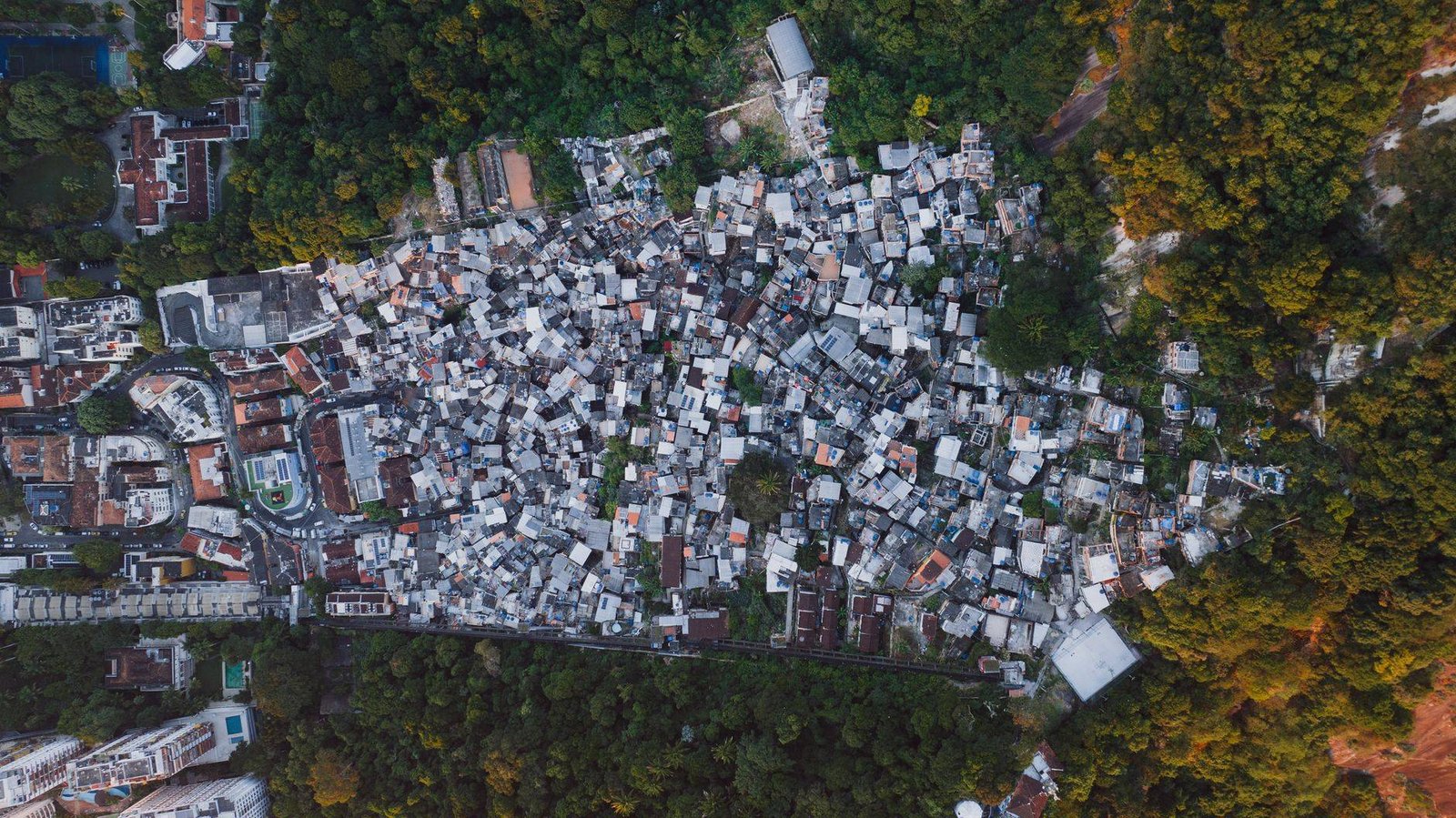
Accommodation in Santa Teresa typically means boutique guesthouses, some with pools and hanging gardens, with rates between R$ 350 and R$ 900. There are no large hotel chains here—the appeal is precisely the smaller scale and more personalized atmosphere. The Selarón Steps are just a few minutes’ walk downhill towards Lapa, making it easy to combine both neighborhoods in one outing.
The downside is mobility. Santa Teresa has no metro and the streets are steep. For those planning many outings throughout the day, especially with young children or reduced mobility, this can be tiring. Uber works well in the neighborhood, but wait times increase during peak hours.
Who Santa Teresa is for: travelers seeking an artistic atmosphere, a more local experience, photos that go beyond the tourist clichés, and accommodation with personality. Not recommended for those who prefer large hotels with full amenities.
Centro and Lapa: History and More Affordable Prices
Staying in Rio’s Centro makes sense for those traveling for work or wanting to dive into the city’s history—Praça XV, the Royal Portuguese Reading Room, the National Historical Museum, and even AquaRio are all in this area. During the week, the neighborhood is bustling and full of life. On weekends, activity drops significantly, which can be a plus (empty streets, museums without lines) or a minus (fewer open shops, a feeling of an urban desert).
Accommodation prices in the Centro are lower than in the South Zone. You can find comfortable business hotels for R$ 200 to R$ 350 a night. Lapa, adjacent to the Centro, has even cheaper guesthouses, with the bonus of being in the heart of Rio’s nightlife—great for those planning to enjoy live music and bars at night, but it demands extra caution with safety on the streets.
Who Centro/Lapa is for: business travelers, backpackers, those visiting Rio mainly for historical and cultural tourism, or anyone wanting a central, budget-friendly base who doesn’t mind the reduced weekend energy.
Barra da Tijuca: Modern, Spacious, and Far from the Center

Barra da Tijuca is Rio’s most modern neighborhood—gated communities, massive shopping malls, a BRT connecting to the Centro and Recreio, and an expansive beach stretching over eighteen kilometers with better waves for surfing and far fewer crowds than Copacabana or Ipanema. Major hotel chains (Hilton, Windsor, Sheraton) have properties in Barra, and the value for money is often better than comparable options in the more traditional South Zone.
The main issue is distance. Getting to Christ the Redeemer, Sugarloaf Mountain, or Lapa from Barra takes at least forty minutes by car without traffic—and Rio has heavy traffic for a good part of the day. Anyone staying in Barra needs to be comfortable with car or BRT rides and can’t rely on the subway (Barra’s stations were a legacy of the 2016 Olympics and have limited availability).
Who Barra is for: large families that need spacious apartments, those who want a calm beach without crowds, travelers who already know Rio and prefer a less touristy experience, and visitors coming for events at the Olympic Park (like Rock in Rio).
Flamengo and Catete: great value off the tourist radar
Flamengo and Catete sit between downtown and Copacabana, with easy subway access to both sides. They’re quiet, residential neighborhoods with fewer hotels and fewer tourists than the waterfront. The Aterro do Flamengo, a sprawling park along Guanabara Bay, makes up for the lack of a sandy beach with bike paths, sports courts, and a different view of the city—facing Sugarloaf Mountain and Niterói.
Accommodation here typically runs twenty to thirty percent cheaper than in Copacabana with equivalent quality. Many small guesthouses and boutique hotels are set in heritage-listed mansions, giving the neighborhood a charm that big chain hotels rarely have. The Palácio do Catete—the former seat of the federal government, where Getúlio Vargas spent his final days—is an interesting museum just a short walk away.
Who Flamengo/Catete is for: travelers who want a great location on a tighter budget, those who enjoy strolling through a neighborhood without feeling like they’re in a heavy tourist zone, and anyone visiting Rio to explore downtown’s museums and historic sites.
Which neighborhood to choose based on your profile
First time in Rio and want everything within easy reach: Copacabana. Best subway infrastructure, the widest range of prices, and the beach right at your doorstep.
Want the best beach and have no budget constraints: Ipanema. A more sophisticated waterfront, quality bars and restaurants, and easy access to Arpoador and Leblon.
Looking for an artistic vibe and a different experience: Santa Teresa. Characterful guesthouses, privileged views, and close proximity to Lapa.
Business trip or focused on historic sightseeing: Centro or Catete. Lower costs and direct access to the city’s museums and historic landmarks.
Large family or prefer modern comfort away from the chaos: Barra da Tijuca. More space, less crowded beaches, and full-service chain hotels.
Frequently asked questions about staying in Rio
What’s the best time to book? The sooner, the better—especially for Carnival (February/March) and summer (December/January), when prices skyrocket. Outside those periods, booking three to four weeks in advance is enough to secure great options.
Is it safe to stay in downtown Rio? The central neighborhoods (Cinelândia, Lapa, Catete) are busy during the day and reasonably safe in the commercial areas. At night, especially on darker side streets, it’s best to use a ride-hailing app rather than walking alone.
Is it worth renting an apartment through a platform instead of a hotel? It depends on your profile. For stays of four days or more, full apartments often come out cheaper and offer a kitchen and laundry. For short stays, hotels with breakfast included tend to be more practical.
Which neighborhood is best for Rock in Rio? Barra da Tijuca, since it’s the closest neighborhood to the Olympic Park where the festival takes place. On festival days, traffic from Copacabana or Ipanema can be chaotic.
Does the hotel floor make a difference for the view? Yes, especially at Copacabana hotels. Floors above the tenth usually have ocean views; below that, you’re often looking at the building next door. When booking, it’s worth asking—some hotels charge extra for an ocean-view room, and the difference can be worth it.
With this reference in hand, it’s easier to make the decision without relying on generic reviews. Rio’s neighborhoods are distinct enough that where you sleep can really change the impression you take away from the city—so it’s worth the time invested in choosing carefully.