Few towns on the Brazilian coast pack crystal-clear waters, a buzzing nightlife, and a rich history into less than two square kilometers. Armação dos Búzios — or simply Búzios — does just that, sitting about 180 km from Rio de Janeiro, which means less than a two-hour drive in normal traffic. What was once a humble fishing village in the Região dos Lagos gained international fame when Brigitte Bardot spent a season there in 1964. Since then, the destination has grown and refined itself, and today it boasts over 23 beaches spread across a peninsula that’s just over 8 km from tip to tip.
This guide covers the essentials for first-timers: how to get there, how long to stay, which beaches should make your list, and what to do beyond the sea. The goal isn’t to turn your trip into a race to see it all — it’s to give you enough info to build a plan that fits your own pace.
Dica: Aproveite também para fazer estes passeios no Rio de Janeiro
Cristo Redentor de trem e tour pelo Rio de janeiro. Duração: 4 horas
Passeio grátis pelo centro histórico do Rio e Lapa. Duração: 3 horas
Free tour pelo bairro de Santa Teresa. Duração: 2h 30m
Amanhecer no mirante de Dona Marta + Cristo Redentor Duração: 4 horas
Veja todos os passeios e tranfers no Rio de Janeiro
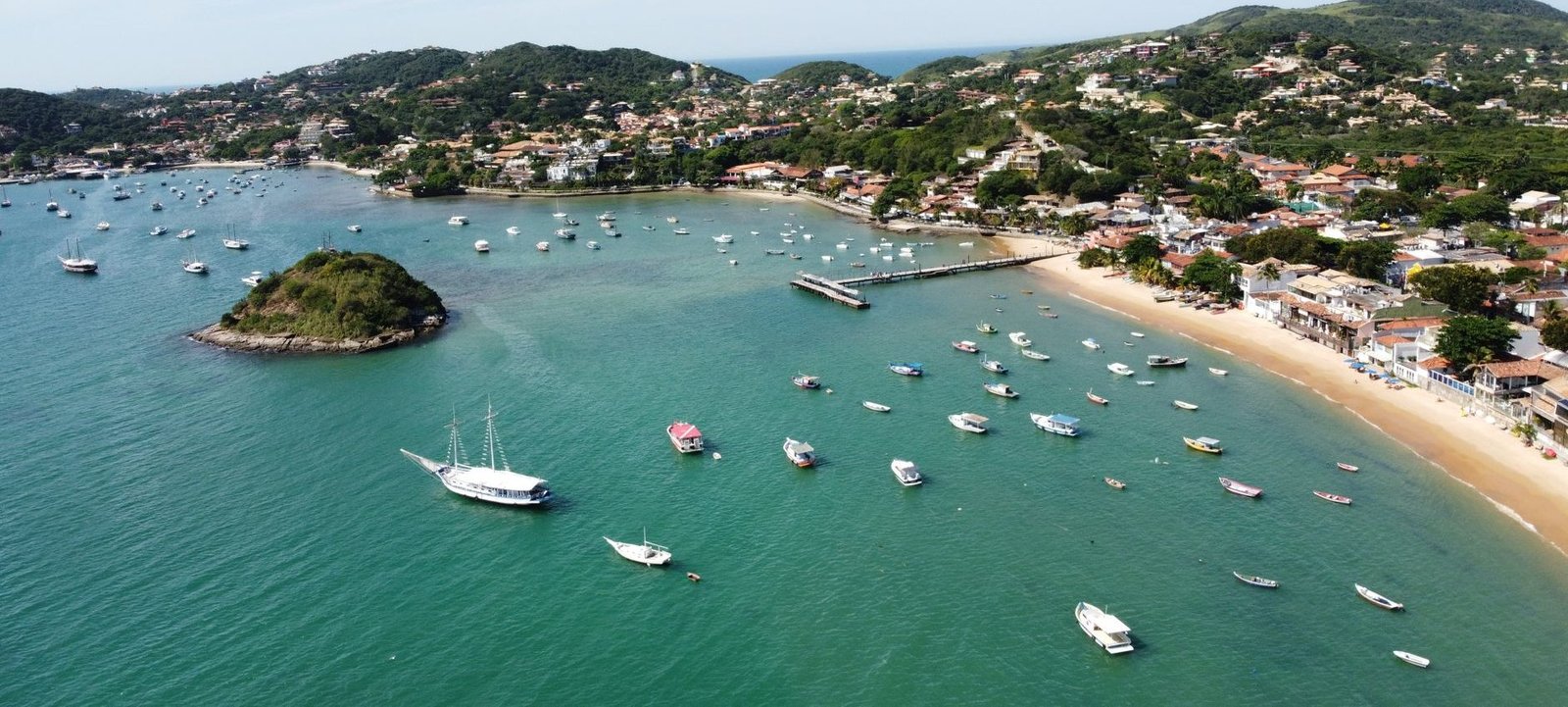
What You’ll Find in Búzios
Búzios has no airport or train station. You arrive by bus or car. This creates its own rhythm: the streets on the peninsula are narrow, traffic in the center is slow, and walking between a beach and a restaurant is all part of the experience. Rua das Pedras — paved with cobblestones and closed to cars for much of its length — is the heart of the village. By day, it’s beachwear and craft shops. By night, bars and restaurants stay packed until well past midnight.
Outside this central hub, the landscape changes completely. Praia de Geribá, on the peninsula’s southern tip, has nearly 1.5 km of sand and waves that draw surfers. On the northern tip, Praia do Ossos retains its fishing village charm, with anchored boats and old houses nearby. Around it are smaller beaches reachable only by boat or short trails — and these often have the most beautiful water in Búzios.
The level of service leans premium. Boutique guesthouses, well-crafted seafood restaurants, and cocktail bars make up a large part of the offering. This is reflected in the prices: Búzios costs more than the average in the interior of Rio de Janeiro state, especially during peak season.
How to Get to Búzios from Rio de Janeiro
By Car
The most common route leaves Rio on the BR-101 towards Niterói, follows the RJ-106 past São Pedro da Aldeia to Cabo Frio, and then continues about 30 km on the RJ-102 to the entrance of Búzios. The total trip is around 180 km and takes 2 to 2.5 hours on a normal weekday. On summer weekends and holidays, the line at the peninsula’s entrance can add anywhere from 30 minutes to 2 hours to your trip — leaving Rio before 8 am or after 6 pm on a Friday will help you dodge the worst of the traffic.
Parking in central Búzios is tough during high season. The common solution is to leave your car in paid lots on the edge of the center and walk into Rua das Pedras. For beaches farther from the center — Geribá, Ferradura, João Fernandes — a car is useful during the day and can be parked in simple lots near the beach.
By Bus
The companies 1001 and Salineiro run daily routes between the Novo Rio bus station and the Búzios terminal. The trip takes around 2.5 to 3 hours depending on traffic and the number of stops along the Região dos Lagos. Buses depart frequently throughout the day — check the latest schedules directly on the companies’ websites, as the number of departures varies by season.
Taking the bus has a practical advantage: you don’t have to worry about parking or drinking during your outings. The downside is relying on a fixed schedule for the return trip, which can be tight if the last bus leaves early. It’s worth checking the time of the last departure before you book your accommodation.
How Many Days to Spend in Búzios
Three days is the minimum to avoid leaving disappointed. On day one, you arrive, get settled, and explore Rua das Pedras at night. On day two, you can take the schooner tour in the morning and still visit one or two beaches in the afternoon. On day three, you can explore Geribá or the beaches on the north side of the peninsula, like João Fernandes and Azeda.
Four or five days allow for a more relaxed pace: one or two beaches a day, with no rush to cover everything. Búzios has 23 official beaches — no one needs to visit them all, and trying to do so in a week will tire you out more than relax you. The logic of a good itinerary here is to pick three or four beaches that interest you, combine them with the schooner tour, and save your afternoons for Rua das Pedras.
For those who love surfing or simply sitting and staring at the sea, seven days will fly by. For those who prefer destinations with more cultural activities beyond nature, four days is usually enough. Avoid planning your arrival and departure during the worst weekend traffic times — on Sunday afternoons, leaving Búzios can back up for hours on the road.
The Beaches of Búzios: What Each One Offers
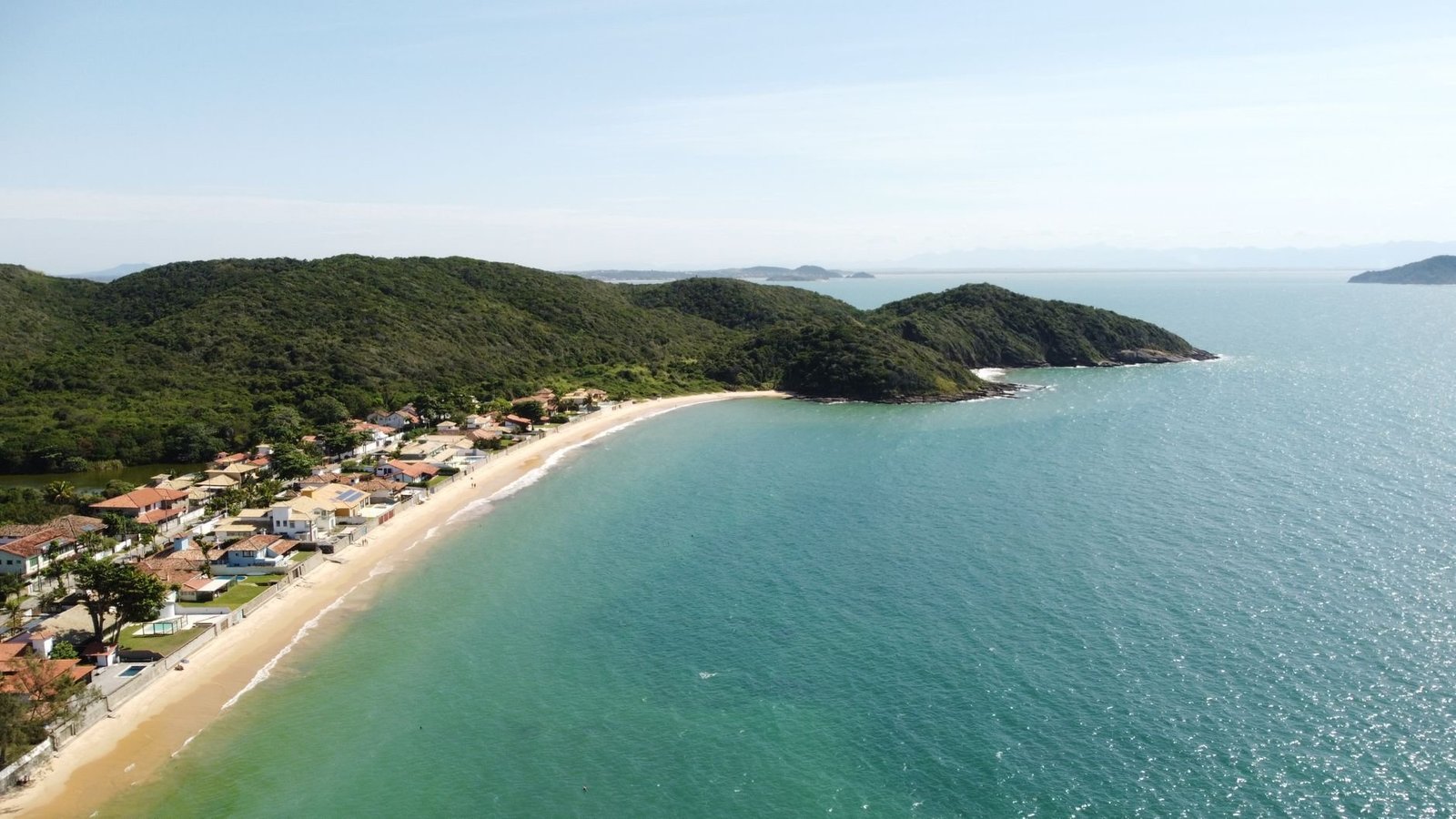
For Calm Water and Snorkeling
João Fernandes and João Fernandinho sit on the east side of the peninsula, with calmer water and good visibility for snorkeling. The two are close to each other and have kiosk infrastructure — João Fernandinho is smaller and a bit more peaceful. Praia da Ferradura, shaped like a half-moon on the south of the peninsula, has minimal waves and a firm seabed, great for kids and comfortable swimming. Azeda and Azedinha are small beaches accessible by a short trail or by boat: transparent water, lots of rocks underwater — arrive early to grab a spot.
Praia da Tartaruga is near Ferradura and has kiosks and calm water without the crowds of the more famous beaches. The scenery is beautiful and the atmosphere tends to be more relaxed even on weekends. If you don’t want to spend time hunting for specific beaches, João Fernandes and Tartaruga are safe bets for a relaxing day.
For Surfing and Bigger Waves
Praia de Geribá has the best waves on the peninsula and solid infrastructure: kiosks, showers, board rentals, and surf schools. At nearly 1.5 km long, you can walk the shoreline and find a more secluded spot even in the summer crowds. Praia Brava, more isolated and without kiosk infrastructure, attracts experienced surfers who prefer a wilder environment. Praia de Tucuns, near the entrance road to Búzios, has consistent waves and is far less crowded than Geribá.
Near the Center
Praia do Ossos is small, with anchored fishing boats and historic houses around it. It’s not the most beautiful beach in Búzios for swimming, but the surroundings have charm — a square, a small 18th-century church, and some bars with sidewalk tables. Orla Bardot, which runs along the center near Rua das Pedras, is more for walking and watching the sunset than for swimming.
The Schooner Tour: Seeing Búzios from the Sea
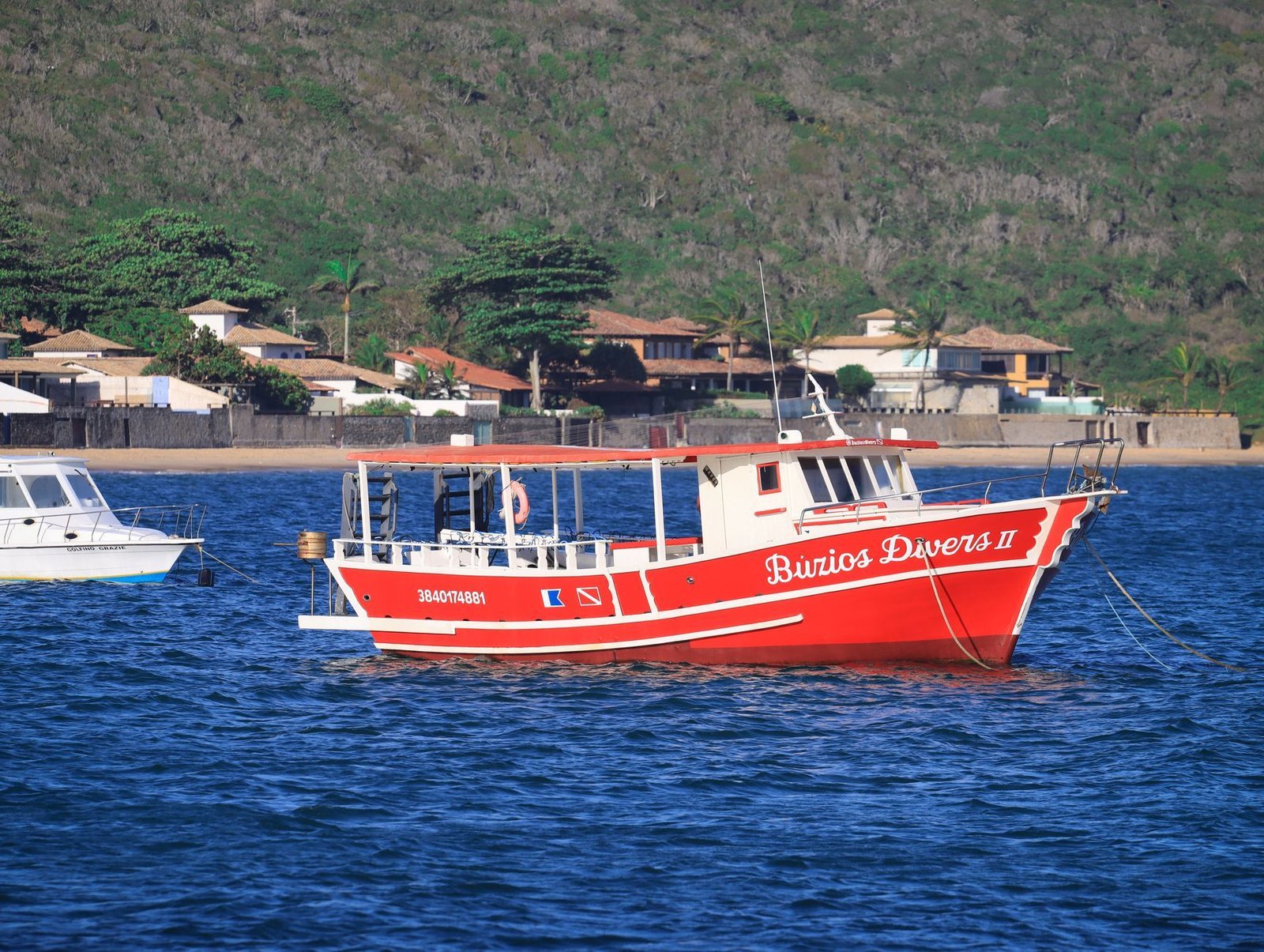
The schooner tour that leaves from Orla Bardot visits between five and seven beaches around the peninsula, including stops at Azeda, Azedinha, João Fernandes, and other spots that are difficult to reach by land. The typical duration is four to five hours, with 20- to 30-minute swimming stops at each beach. Most boats include drinks and snacks on board.
It’s an efficient way to see beaches that would otherwise require hours of overland travel — especially the more isolated ones on the north side of the peninsula, where the roads are poor or nonexistent. For first-timers, the tour helps you get a complete view of the area before deciding where to spend your remaining days. Book ahead on high-season weekends: the schooners fill up fast. Confirm prices and departure times directly with the operators at Orla Bardot.
Rua das Pedras and Orla Bardot
Rua das Pedras really comes alive from around 7 pm and goes until past midnight on weekends. The restaurant variety is excellent: seafood, steak, pizza, and international cuisine share space with snack bars and cocktail lounges. Prices are steep — a meal for two at a mid-range restaurant runs about R$ 150 to R$ 200 — but there are more affordable options at bars off the main stretch of the street.
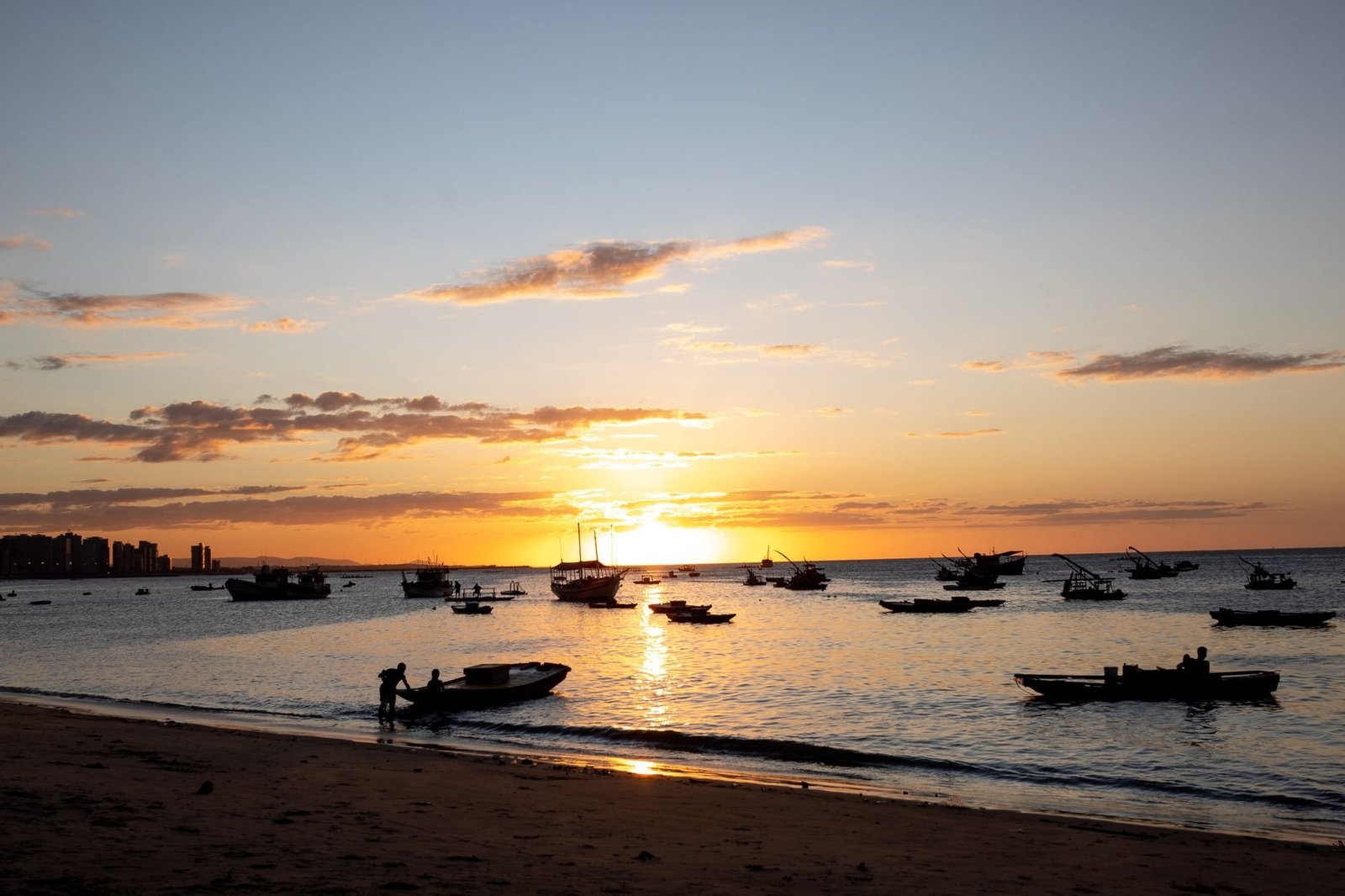
By day, the shops sell beachwear, jewelry, and crafts. Quality varies widely. Orla Bardot is home to the famous bronze statue of Brigitte Bardot — the most popular photo spot in Búzios. The sunset seen from there is often beautiful, especially in autumn and winter when the sky is clearer.
Practical Tips for Your First Visit
Best Time to Visit
Summer (December to March) brings the biggest crowds — packed beaches, peak prices, and heavy weekend traffic. If you have flexibility, October, November, and April combine warm weather with far fewer people. July has dry, good weather on most days, but it’s school vacation, so crowds are moderate to high.
Winter (June to August) has sunny days and mild temperatures, but the sea gets colder. If you’re going for sightseeing, good food, and enjoying Rua das Pedras without lines, you’ll find Búzios much more relaxed. Accommodation prices also drop considerably outside of peak season.
Where to Stay
For first-timers, the most practical area is near Rua das Pedras — you won’t need a car for nighttime activities and can walk to Orla Bardot and Praia do Ossos. If you prefer quiet, there are guesthouses near João Fernandes and Ferradura, farther from the center. Book ahead for any weekend between November and March — occupancy rises quickly during this period.
Money and Payments
Most establishments accept cards, but at beaches farther from the center, some kiosks are cash-only. Having R$ 100 to R$ 150 in cash on hand will save you from a tight spot on beach days. There are ATMs in the center near Rua das Pedras.
Frequently Asked Questions About Búzios
Does Búzios have an airport?
No. The nearest airport is in Cabo Frio, about 30 km away. There are flights to Cabo Frio from some cities, but most tourists coming from Rio arrive by car or bus.
Do I need a car in Búzios?
It depends on where you’re staying. If you’re near Rua das Pedras, you can walk to most restaurants and the central beaches. For Geribá, Ferradura, and João Fernandes, a car or taxi is necessary.
Is Búzios safe for tourists?
It’s one of the most peaceful destinations in the state by Brazilian standards. As with any tourist spot, keep an eye on your belongings on crowded beaches and avoid walking alone on remote paths after midnight.
What’s the difference between Búzios and Cabo Frio?
Cabo Frio is a larger city with long beaches, lagoons, and more diverse shopping. Búzios is more intimate and sophisticated, with boutique guesthouses and pricier restaurants, and has a greater number of small, secluded beaches. The two are just over 30 km apart — it’s possible to include both in the same itinerary.
Can I visit Búzios in a day trip from Rio?
Technically yes, but it’s not worth it. You’ll spend four to five hours in the car or bus round trip, leaving very little time to actually enjoy yourself. The destination deserves at least two nights to make sense.
If you’re extending your trip through the Região dos Lagos, there are great options just a few hours from Búzios: Arraial do Cabo has some of the clearest waters in Brazil, and Cabo Frio works well as a budget-friendly base for exploring the region.