Petrópolis is less than two hours from Rio, but it feels like a world apart. The BR-040 climbs the Serra Fluminense, the temperature drops, the air gets cleaner—and when you reach the historic center, with canals running alongside the sidewalks and 19th-century mansions on every corner, it’s hard to believe all this sits so close to Brazil’s biggest city. Dom Pedro II knew exactly what he was doing when he chose this spot for the imperial court.
Why Petrópolis is the perfect day trip from Rio
In the summer, when Rio’s lowlands top 38 degrees Celsius (100°F), Petrópolis might be sitting at a comfortable 26°C (79°F). That alone is reason enough to go. But there’s more: a solid historical itinerary, great food, a compact historic center, and everything is accessible without a car—just hop on a direct bus from the Novo Rio bus station.
Dica: Aproveite também para fazer estes passeios no Rio de Janeiro
Cristo Redentor de trem e tour pelo Rio de janeiro. Duração: 4 horas
Passeio grátis pelo centro histórico do Rio e Lapa. Duração: 3 horas
Free tour pelo bairro de Santa Teresa. Duração: 2h 30m
Amanhecer no mirante de Dona Marta + Cristo Redentor Duração: 4 horas
Veja todos os passeios e tranfers no Rio de Janeiro
Búzios and Cabo Frio have beaches. Petrópolis has palaces, museums, canals, and European-influenced architecture you won’t find anywhere else in the state. They’re different destinations—and Petrópolis is what you choose when you want to escape Rio without leaving Brazil’s history behind.
The Imperial Museum of Petrópolis—the city’s main attraction
The Imperial Museum of Petrópolis operates inside the former Imperial Palace—Dom Pedro II’s summer residence. The collection is extraordinary: the imperial crown with 639 diamonds and 77 pearls, the emperor’s ceremonial robe, furniture from the royal chambers, documents, and personal belongings of the Bragança family. These are pieces you’d rarely see gathered together in any other museum in the country.
There’s one detail everyone remembers afterward: the felt slippers. Before entering the palace, you slip on a pair of protective covers over your shoes to avoid scratching the historic floors. What seems like protocol quickly turns into fun—adults gliding across the imperial hallways is a constant sight. Before or after your visit, take a stroll through the gardens. They’re immaculate, and the palace’s white facade in the background makes for one of the most classic photos in Petrópolis.
Hours: Tue–Sun; ticket office from 9:30 AM to 5 PM; palace from 10 AM to 6 PM (last entry at 5:15 PM); gardens from 7 AM to 6 PM.
Tickets: R$ 10 full / R$ 5 half-price. Free on Sundays (since May 2026) and for teachers, Museology students, and other usual beneficiaries.
Address: Rua da Imperatriz, 220. Official Imperial Museum website.
The Santos Dumont House—Brazil’s quirkiest little home
Less than 600 meters from the Imperial Museum sits A Encantada (The Enchanted), the chalet Alberto Santos Dumont had built in 1918 when he retreated to Petrópolis. The house is small—much smaller than most people expect for a famous inventor. And that’s exactly what makes the visit worthwhile: every detail of the place tells you something about how Santos Dumont’s mind worked.
The internal spiral staircase only goes up, never down—he thought descending was symbolically bad. The bed sits on a raised platform because he slept semi-seated due to health issues. There’s no kitchen: Santos Dumont never cooked, preferring to dine at the hotel. The bathroom has a shower he designed himself with homemade heating. These strange, fascinating details are what make A Encantada one of the most memorable visits in Petrópolis.
Hours: Tue–Sun, 10 AM to 5 PM. Ticket: R$ 10 full / half-price for students, teachers, youth aged 8 to 21, and people 60 and over. Free on Wednesdays and on the last Sunday of the month; children up to 7 and seniors over 80 get in free. Address: Rua do Encanto, 22.
The Cathedral of São Pedro de Alcântara and the Imperial Mausoleum
The neo-Gothic tower of the Cathedral of São Pedro de Alcântara is visible from almost anywhere in the center—and it doesn’t disappoint up close. Construction took over fifty years: the cornerstone was laid in 1884, and the cathedral was completed in 1939. The interior is austere, with proportions that impress.
The big draw is the Imperial Mausoleum, a chapel to the right of the nave housing the remains of Dom Pedro II and Empress Teresa Cristina, plus the tombs of Princess Isabel and the Count of Eu. The space is silent and steeped in history—anyone interested in the Brazilian Empire leaves changed. Free entry. Hours: Tue–Sat 9 AM to 4 PM; Sun 1 PM to 4 PM; closed Mondays. Address: Rua São Pedro de Alcântara, 60.
The Palácio de Cristal and the Palácio Rio Negro
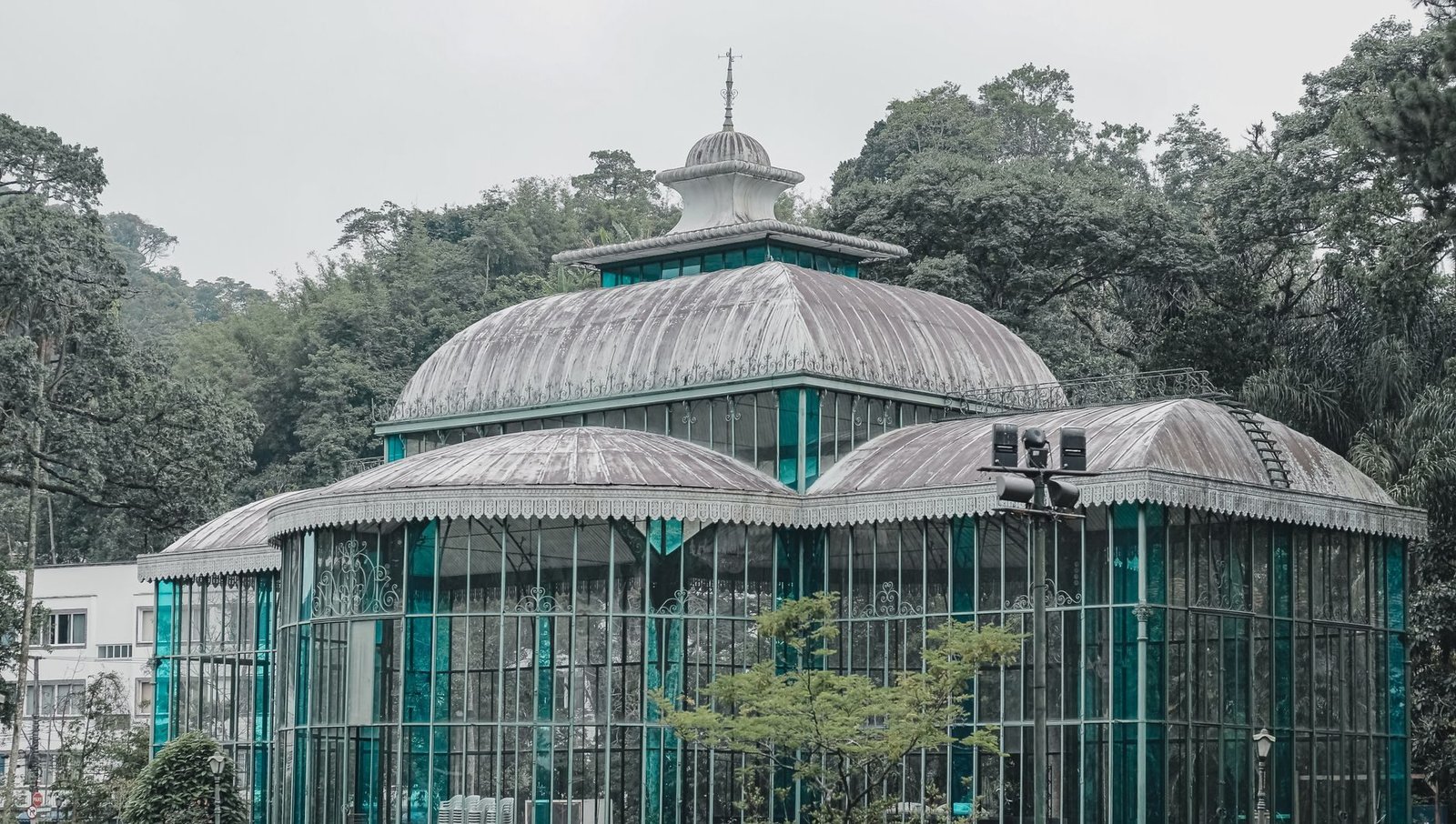
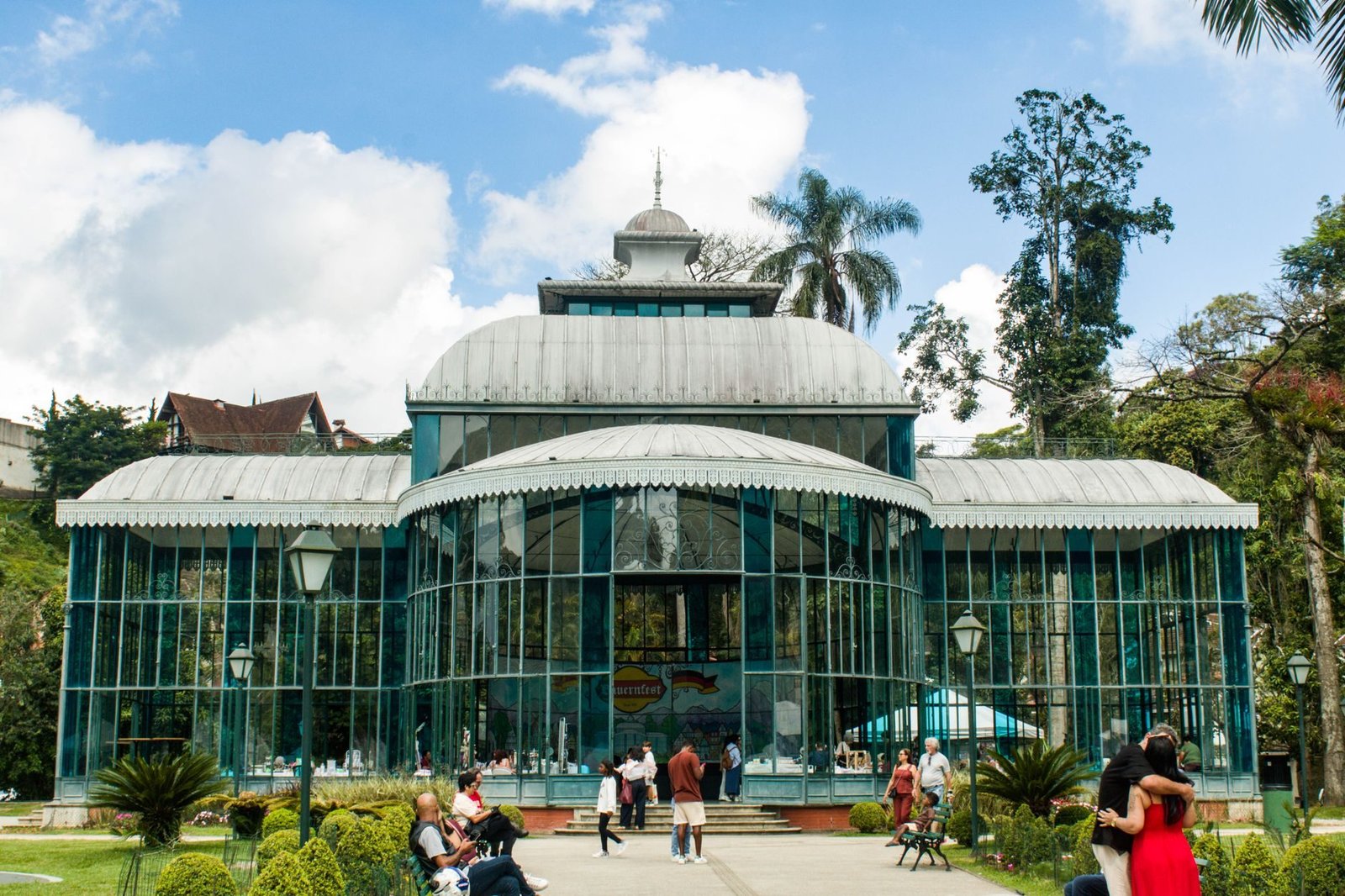
The Palácio de Cristal is Petrópolis’ most unusual building. Iron and glass, manufactured in France, assembled on-site in 1884. The Count of Eu commissioned it, the pieces arrived in crates, and the result is a translucent pavilion that still turns heads today. It served as a greenhouse for exotic plants and a venue for nobility events. Today it’s open free to the public, hosts occasional exhibitions, and is one of the most photogenic stops on the itinerary. In the early afternoon, when light streams through the glass, the effect is special. Open Tue–Sun, 9 AM to 6 PM, at Rua Alfredo Pachá, s/n.
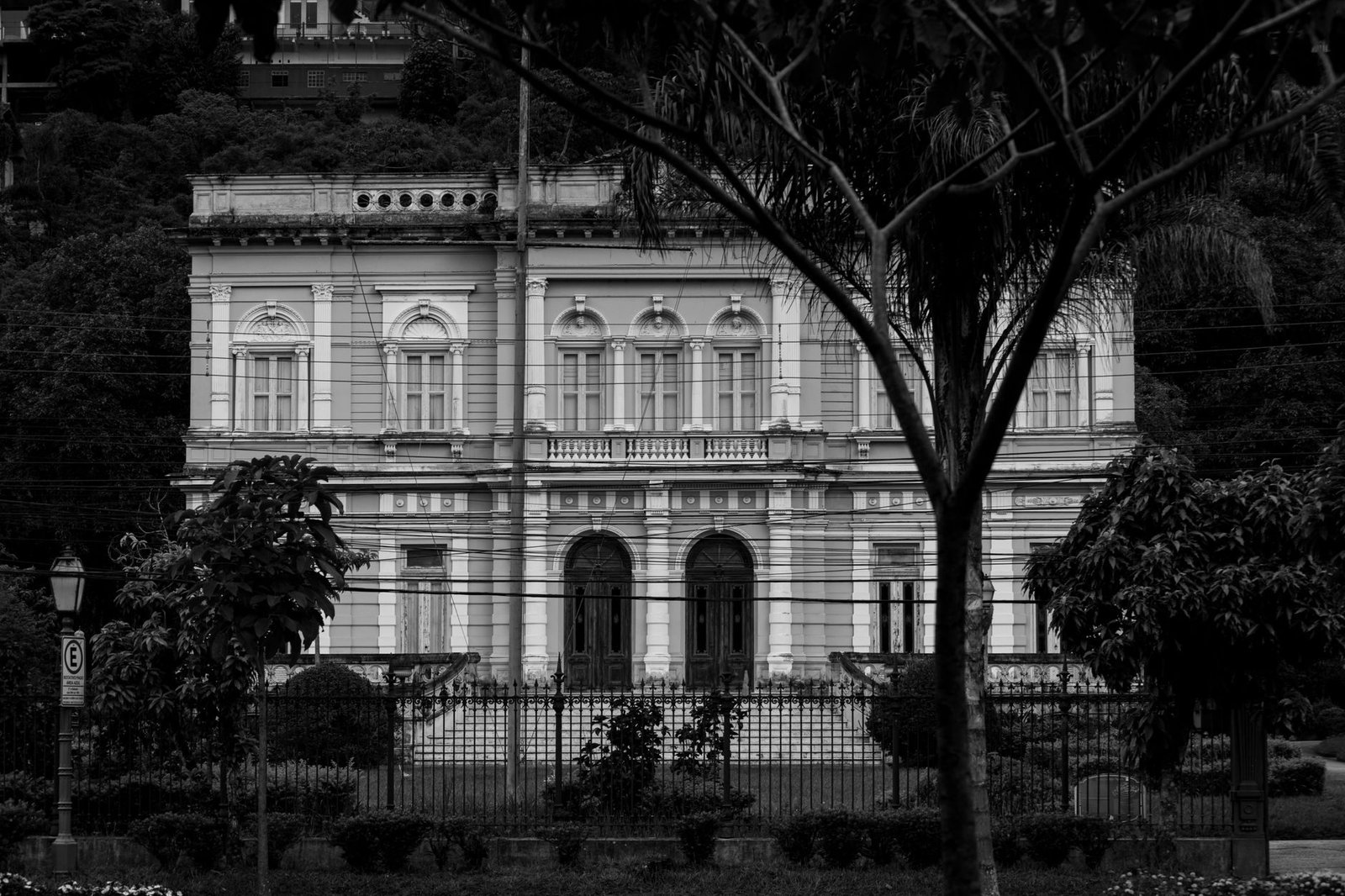
A few minutes’ walk away is the Palácio Rio Negro, built in the 19th century and used as the summer residence of Brazilian presidents for decades. The visit is free and guided—Wed, Thu, and Fri from 9:30 AM to 4:30 PM; Sat and Sun with variable hours (check before you go). If you have spare time, it’s worth including.
The historic center and Rua Teresa
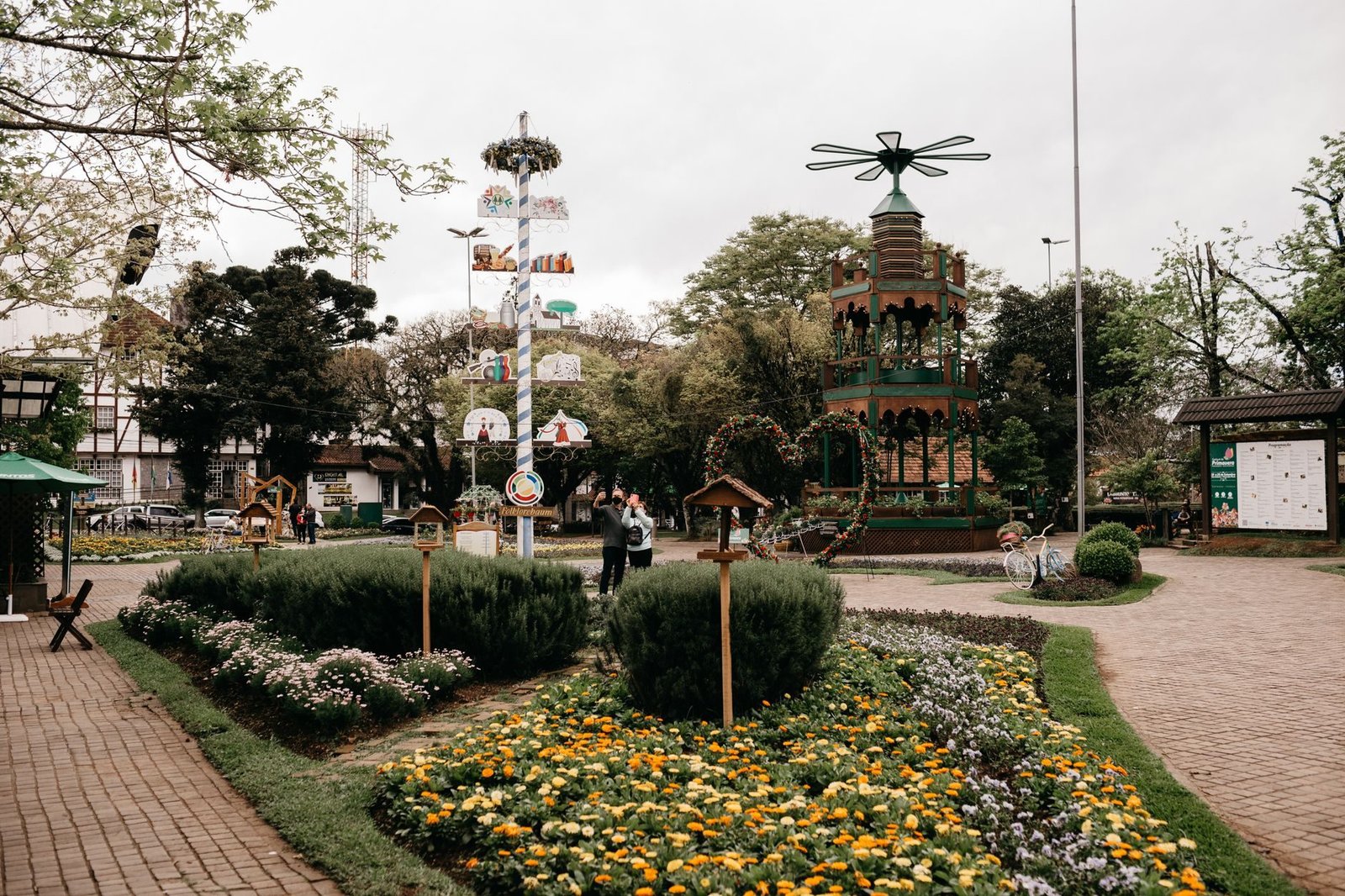
Between attractions, the historic center begs for a leisurely stroll. The canals running alongside the sidewalks are part of the original layout designed in 1843 by Major Julio Frederico Koeler. Tourists stop mid-street to photograph the canals and only then realize they’re in Petrópolis—not some little German or Swiss town. The architecture helps create that confusion.
Rua Teresa is where the city eats and drinks. Artisanal chocolate shops with above-average quality, cafés, breweries with local labels, fondue houses, and varied restaurants line up for blocks. The brewing tradition comes from the 19th-century German colonization—and the region’s craft beers rank among the best in the state of Rio. Chocolate lovers will leave with bags full.
Another stop worth making is Rua do Imperador, running parallel to the central canal, with early-20th-century storefronts that are reasonably well preserved. It’s a small bonus on the walk between the Imperial Museum and the Santos Dumont House—no detour needed, since the route naturally passes right by it. Along the street, you’ll find small coffee shops perfect for a coffee and a slice of pie before moving on.
How to Get from Rio de Janeiro to Petrópolis by Bus
The Única/Fácil company departs directly from Rodoviária Novo Rio (Governador Leonel Brizola Bus Terminal) in downtown Rio. Frequent departures throughout the day, a trip of about 1h30 along the BR-040, and tickets around R$ 33—confirm the current fare at the ticket window or on the company’s website. Buses have air conditioning and reclining seats.
On weekends with good weather, the bus station fills up early—arrive at least 30 minutes ahead. By car, the BR-040 is direct and well signposted. On days of heavy rain, stick to the new BR-040; the descent via the Quitandinha road (the old highway) is more winding and trickier.
The bus ride along the BR-040 has one more perk: the climb up the mountain. The road cuts across the Mantiqueira hillside with well-designed curves, and on clear days you can spot the coast of Rio state far below as the bus reaches the higher stretches. It’s one of the most scenic routes in the state—and you get it for free as part of the journey.
Hours and Tickets—Quick Summary
| Attraction | Hours | Tickets |
|---|---|---|
| Imperial Museum | Tue–Sun, 10am–6pm (box office until 5pm) | R$ 10 / R$ 5 half-price; free on Sundays |
| Santos Dumont House | Tue–Sun, 10am–5pm | R$ 10 / half-price; free on Wednesdays |
| St. Peter of Alcantara Cathedral | Tue–Sat 9am–4pm / Sun 1pm–4pm | Free |
| Crystal Palace | Tue–Sun, 9am–6pm | Free |
| Rio Negro Palace | Wed–Fri 9:30am–4:30pm / Sat–Sun varies | Free |
Tips for Making the Most of Your Day Trip
Leave Rio early. A bus before 8am guarantees a full day—time for a relaxed visit to the Imperial Museum, lunch on Rua Teresa, and still the Santos Dumont House and Cathedral before late afternoon, when the return lines start to fill up.
Bring a jacket. Petrópolis is always cooler than Rio. In winter (Jun–Aug), it can get quite cold after 5pm. A medium-weight coat handles most situations, but on a truly cold day, a heavier jacket is welcome.
Pair it with Teresópolis. With two days to spare, you can combine Petrópolis with Teresópolis—both sit in the Serra dos Órgãos and make for a complete mountain itinerary. The road between them (RJ-130) offers excellent scenery.
Rain doesn’t cancel plans. The Imperial Museum, A Encantada, and the Cathedral are all indoors. An umbrella solves the rest. A rainy day in Petrópolis can even be more enjoyable—the mountain vibe gets even stronger.
Stop by the Hotel Quitandinha. If you’re driving, it’s worth a detour to see the facade of the old 1940s casino on Avenida Quitandinha. It’s a residential condominium today, with no tours, but the Norman architecture at that scale is impressive even from the outside.
Where to Eat Lunch in Petrópolis
Rua Teresa and the side streets hold the city’s biggest concentration of dining options. For a fuller meal, there are restaurants serving mountain cuisine—soups, meats, fondue—plus lighter choices for those who want something quick. Bakeries with pão de queijo, savory snacks, and good coffee are scattered around the center.
Craft breweries deserve special attention. Petrópolis’s beer tradition dates back to German colonization, and local labels rival those of any Brazilian city specializing in the craft. If you appreciate a good beer, set aside time to sit down and enjoy a mug before catching the bus back.
If you have more than a day, consider staying overnight. Accommodation in Petrópolis ranges from simple guesthouses in the center—comfortable and affordable—to historic hotels with decades of tradition. The cool mountain air makes the evening especially pleasant, and the city transforms: day-trippers head home, the streets get calmer, and you can enjoy a relaxed dinner at one of the Rua Teresa restaurants without the lunchtime rush.
Is the Petrópolis Day Trip from Rio Worth It?
Yes—and then some. The Imperial Museum of Petrópolis, housed in the former Imperial Palace, is one of the best-preserved museums in Brazil. For less than R$ 70 in bus fare and a day of exploring, you cover more Brazilian history than on many pricier, more complicated itineraries.
The city delivers more than a single day can absorb. But even on a quick visit, you understand why Dom Pedro II chose this stretch of mountain—and why so many visitors still put Petrópolis on the itinerary of any trip to Rio de Janeiro.