Some people spend weeks in Rio without ever setting foot in Copacabana Fort. It sits right there, at the very end of the beach, right under everyone’s nose—and still manages to get overlooked in the itinerary. Maybe it’s the beach’s fame that overshadows the fort. Whatever the reason, this oversight has a silver lining: shorter lines, less noise, and a view that rivals any lookout in the city. Here’s everything you need to know before you go: history, hours, tickets, and the must-see highlights.
The History of Copacabana Fort
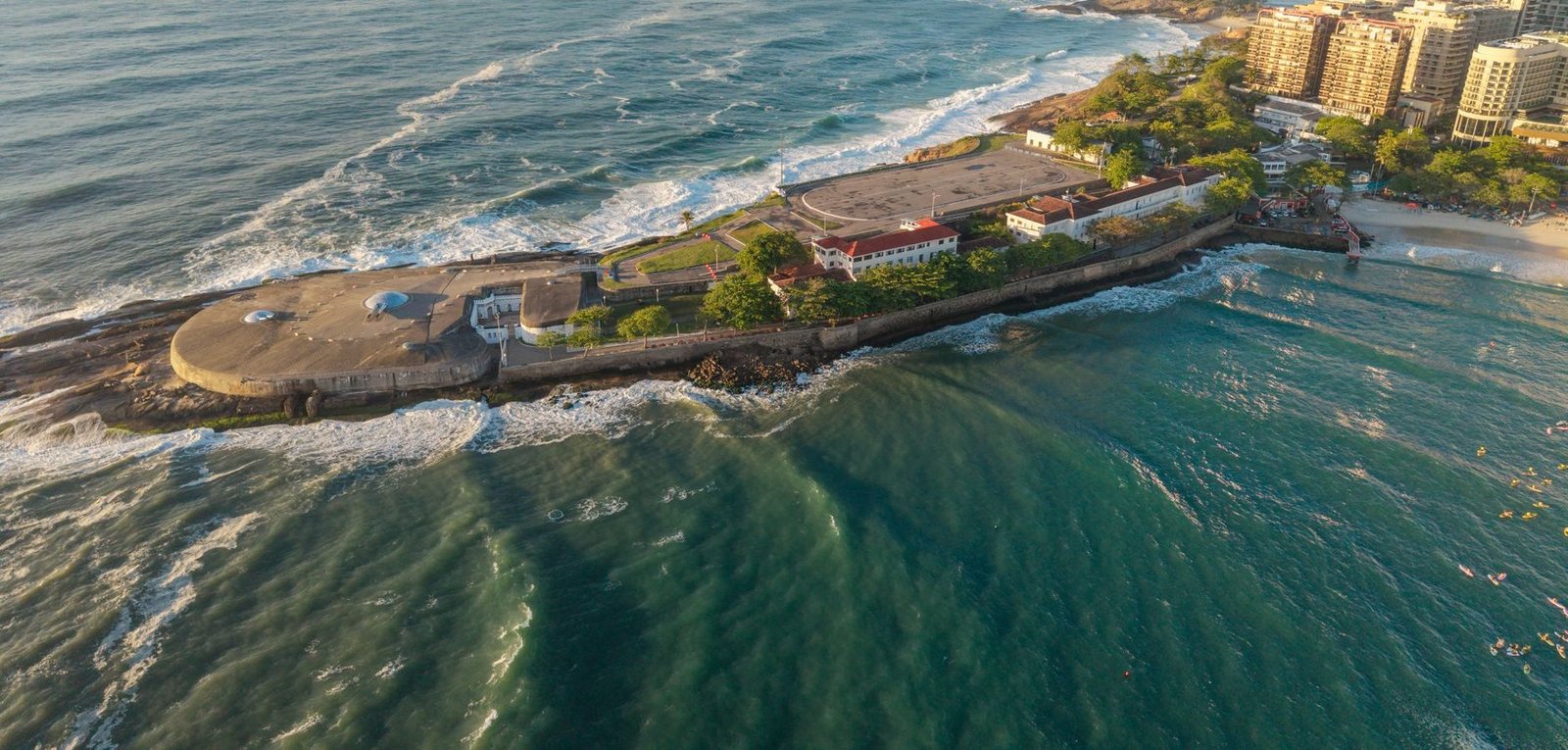
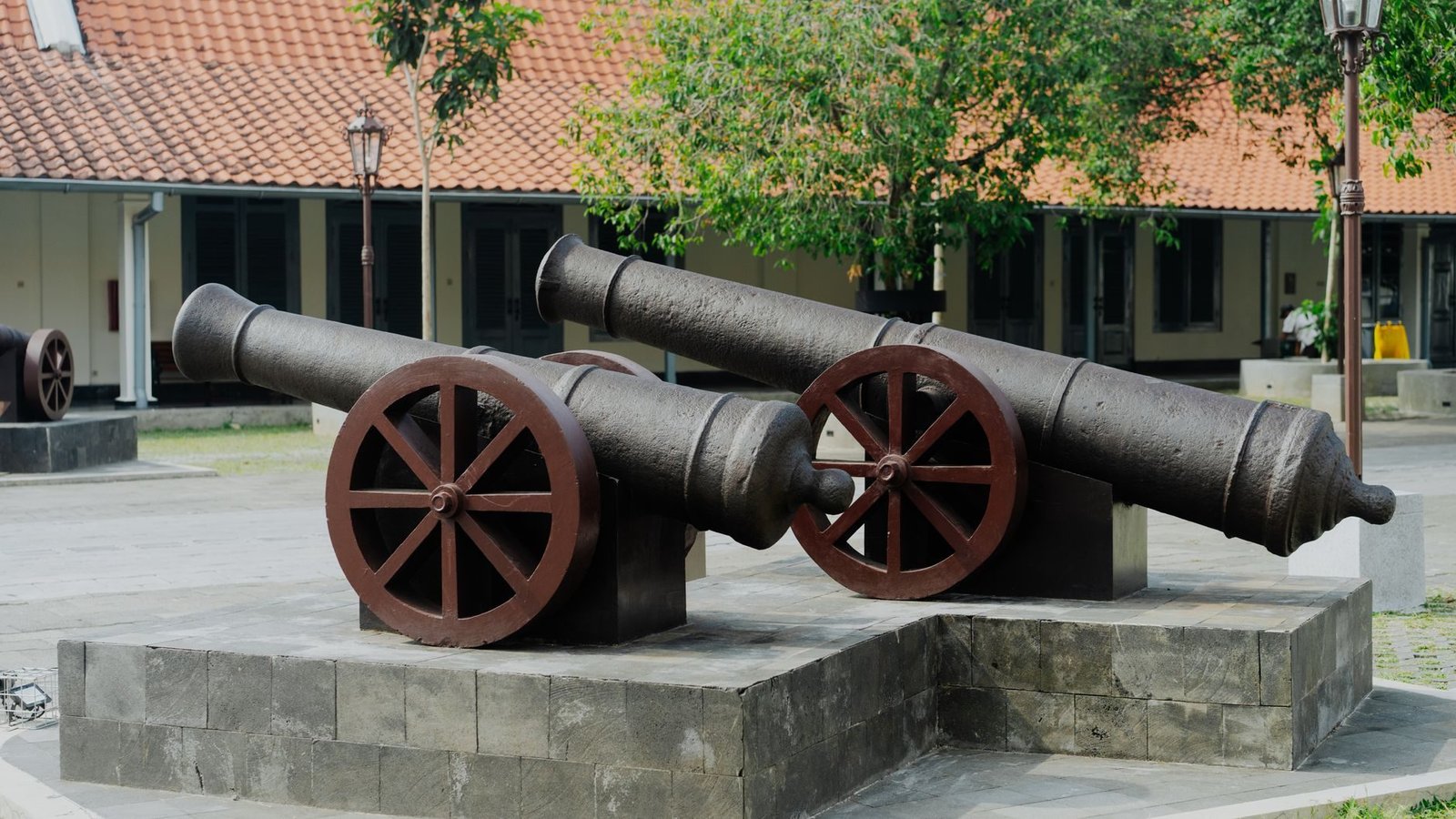
Construction began in 1908 and took six years. The chosen site was Ponta de Copacabana, a rocky outcrop at the southern end of the beach—a strategic point for monitoring access to Rio by sea. German Krupp cannons were installed there, massive and highly precise pieces for their time, which are still on site. They were never used in actual combat. But for decades, their mere presence was enough.
Dica: Aproveite também para fazer estes passeios no Rio de Janeiro
Cristo Redentor de trem e tour pelo Rio de janeiro. Duração: 4 horas
Passeio grátis pelo centro histórico do Rio e Lapa. Duração: 3 horas
Free tour pelo bairro de Santa Teresa. Duração: 2h 30m
Amanhecer no mirante de Dona Marta + Cristo Redentor Duração: 4 horas
Veja todos os passeios e tranfers no Rio de Janeiro
In July 1922, the fort made history in a way no one expected. A group of young lieutenants, dissatisfied with the government of the time, decided to march up Avenida Atlântica toward the loyalist forces. They knew they probably wouldn’t win. But they went anyway. The episode became known as the Revolt of the 18 at the Fort—seventeen survived the confrontation, and most were arrested. The act was militarily suicidal and politically powerful. That’s the kind of history this place is made of.
For decades, the fort remained active as a military installation. In 1987, it was listed as a national historic heritage site, and the subsequent restorations transformed the space into what it is today: a complex open to the public that blends military memory with tourism and culture.
What to See Inside Copacabana Fort
From the outside, the fort looks compact. Inside, it’s a whole different story.
Army Historical Museum
The Army Historical Museum occupies part of the fort’s original installations and houses a collection that surprises. Weapons, uniforms, photographs, and documents tell the story of the Brazilian Armed Forces—with special emphasis on World War II. Brazil was the only country in South America to send troops to fight in Europe, in the Italian Campaign between 1944 and 1945. Few people know that. The museum reminds you.
There’s also a room dedicated to the 1922 Revolt, with original photos and documents from the period. Captions are in Portuguese and English throughout most of the space—which makes it easier for foreign tourists. And there’s no separate ticket needed: the museum visit is already included in the fort’s entrance fee.
The Krupp Cannons and the Ramparts
When you first come face to face with the Krupp cannons, the impact is immediate. They’re 190mm caliber pieces, German-made, still in their original positions on the ramparts. Capable of firing projectiles over 20 km. They were never used in combat—but they didn’t need to be. Just existing was a message in itself.
Walking along the ramparts and through the casemates—the shelters where the artillerymen stayed—is one of the most interesting parts of the visit. The original masonry is well preserved in several sections, and you can feel the weight of the construction, built to withstand much more than just time.
The View of Copacabana
From the southern tip of Copacabana, you can see all 4 km of the beach at once. The buildings along Avenida Atlântica in the background, Leme Hill to the north, Morro dos Cabritos to the left. It’s a perspective you won’t find anywhere else in the city. People get up there, stop, spend a good while just looking—and then spend even longer taking photos. It happens to everyone.
On the other side, looking south, you’ll spot Praia do Diabo—a tiny rocky cove within the fort’s perimeter. And beyond it, the open Atlantic, with nothing in the way. On a clear day, Ilha de Rasa appears far off in the distance, about 15 km away. It’s the kind of view that makes you understand why Rio has the reputation it does.

Confeitaria Colombo — Fort Branch
Inside the fort, there’s a branch of Confeitaria Colombo—the one from downtown Rio, founded in 1894, which is almost a historic monument in its own right. Having a coffee with one of their pastries while looking out over the Copacabana shoreline is one of those little pleasures the city offers. It’s open during the same hours as the fort, Tuesday through Sunday.
Hours, Tickets, and How to Get There
Opening Hours
The fort is open Tuesday through Sunday, from 10 AM to 6 PM—but the last entry is at 5 PM, so plan to arrive before then. It’s closed on Mondays. On national holidays, hours may change, or the fort may be closed for military ceremonies. A quick check of the official website before you go will save you any surprises.
Tickets
Adult tickets run between R$ 8 and R$ 10—worth confirming on the spot since prices are updated frequently. Children up to 12 and seniors over 60 get in free. Active-duty military also enter for free. Considering everything the fort offers—museum, historic cannons, views, and coffee—it’s one of the best value attractions in Rio.
How to Get to the Fort
The address is Praça Coronel Eugênio Franco, 1, at the southern end of the beach. The visitor entrance is on Rua Francisco Otaviano, near Posto 6. If you’re walking along the waterfront toward Leme, just follow it to the end.
The nearest metro station is Cardeal Arcoverde (Line 1), a little over 1 km away. From the metro to the fort, the walk along Avenida Atlântica is part of the experience. By bus, several lines run along Avenida Nossa Senhora de Copacabana. By rideshare or taxi, from downtown you’ll get there in 20 to 30 minutes outside of peak hours. There’s no dedicated parking, but there are metered spots on the surrounding streets.

Tips for making the most of your visit
Go in the morning: the fort opens at 10 a.m. Arriving right at opening time means nearly empty spaces and the morning light hitting the facade and the shoreline — great for photos. From 1 p.m. on, especially on weekends, the crowds pick up considerably.
Pair it with Ipanema Beach: from here to Ipanema it’s a 15-minute walk or a quick ride-share. The flow works well: fort in the morning, coffee at Colombo, lunch in Ipanema, and a swim in the afternoon. A day well spent in Rio.
Set aside time for Praia do Diabo: inside the complex there’s a small rocky beach with that name. Accessible only through the fort, and it’s not for swimming — but the rock formations and the view are worth it for anyone looking to step off the beaten path.
Bring sunscreen and water: a good chunk of the visit is spent outdoors. The Rio sun doesn’t mess around, especially between 10 a.m. and 3 p.m. Inside the fort, hydration options beyond the Colombo café are limited.
Watch the day of the week: it’s closed on Mondays. On Tuesdays right at opening, the fort is usually nearly empty — perfect for photos with no crowds in the background.
Is Copacabana Fort worth visiting?
The answer is yes. For less than R$ 10, in just a few hours, you get real military history, cannons over a hundred years old, a serious museum, and one of the most beautiful views in Rio. Plus a Colombo café if you want to end on a high note.
Families, couples, solo travelers, history buffs, or just someone looking for a different view — the fort has something for everyone. If you walk past the beach every time you come to Rio and still haven’t stepped inside, it’s about time.
Copacabana Fort during special events
On commemorative dates, the fort becomes a stage. On Army Day (April 19) and Independence Day (September 7), the Artillery Cannon Ceremony takes place — the historic cannons are fired, with all the noise and smoke that entails. It’s a spectacle that draws nearby residents and tourists who had no idea it existed.
Beyond that, the fort hosts temporary exhibitions, military band performances, and other events throughout the year. Many are free. Before visiting on a holiday, a quick search is worth it to see if something’s scheduled — it could be a pleasant surprise.
Copacabana Fort compared to other historic attractions in Rio
The National Historical Museum downtown has a massive collection, but you’re indoors the whole time. The Museum of Tomorrow is modern and fascinating, but focused on science and the future. Copacabana Fort is something else: living military heritage, outdoors, with the Atlantic right there beside you. Each has its place on the itinerary — but the fort is the only one that offers all three together.
If the goal is to dive into Rio’s history, it’s worth combining: historic downtown in the morning — Royal Portuguese Reading Room, Lapa Arches — and the fort in the afternoon, with the late-day light over the shoreline. You can cover centuries of history in a single day without feeling rushed.
Accessibility at Copacabana Fort
The fort has partial accessibility. The museum and some indoor areas have ramps. The ramparts and outdoor spaces — where the best views are — involve stairs and uneven surfaces in some spots, which can be an obstacle for wheelchair users. Before you go, it’s worth calling to confirm current conditions, since improvements are made periodically.
For those visiting with kids, the fort works great. Plenty of outdoor space, giant cannons that leave any child in awe, cheap admission — it’s an outing that entertains without breaking the bank.
Where to eat near Copacabana Fort
Besides the Colombo café inside the fort, the Copacabana area won’t leave anyone hungry. Along Avenida Atlântica and the side streets, you’ll find beach kiosks with coconut water, laid-back botecos, and upscale restaurants with tables facing the sea.
For a more budget-friendly lunch, the botecos on Rua Djalma Ulrich and the surrounding area are a great pick — chicken wings, codfish balls, caipirinhas, all at neighborhood prices. A ten-minute walk toward Posto 5 or 6 and you’ve got a dozen options to choose from.