Rio de Janeiro is a city that reveals itself in layers, each angle showing a different face. If you want to experience a view that sums up just about everything that makes the city magical—Christ the Redeemer, Sugarloaf Mountain, Guanabara Bay—and still save some cash, the Dona Marta Lookout is your spot.

Where is the Dona Marta Lookout?
Located in Rio’s North Zone, more specifically in the Bonsucesso neighborhood, the Dona Marta Lookout sits just a few miles from the city center. The proximity is deceiving—despite being geographically and socially distant from the beaches and tourist spots of the South Zone, the lookout offers an impressive perspective of the region.
Dica: Aproveite também para fazer estes passeios no Rio de Janeiro
Cristo Redentor de trem e tour pelo Rio de janeiro. Duração: 4 horas
Passeio grátis pelo centro histórico do Rio e Lapa. Duração: 3 horas
Free tour pelo bairro de Santa Teresa. Duração: 2h 30m
Amanhecer no mirante de Dona Marta + Cristo Redentor Duração: 4 horas
Veja todos os passeios e tranfers no Rio de Janeiro
Unlike other attractions that require long commutes or entrance fees (like the Corcovado train or the Sugarloaf cable car), the Dona Marta Lookout positions itself as a democratic alternative. You don’t need to spend anything beyond the transportation to get there.
Access via the BR-101 highway is straightforward. If you’re in the South Zone (Copacabana, Ipanema, Leblon), take the BR-101 heading north. If you’re in the city center or Niterói, the route is equally accessible. The exact location is on Rua de Bonsucesso, in the neighborhood of the same name, near several communities. The exact spot shows up clearly on any map app when you search for “Mirante Dona Marta” or “Mirante da Zona Norte Rio.”
The view from the lookout: what you’ll see
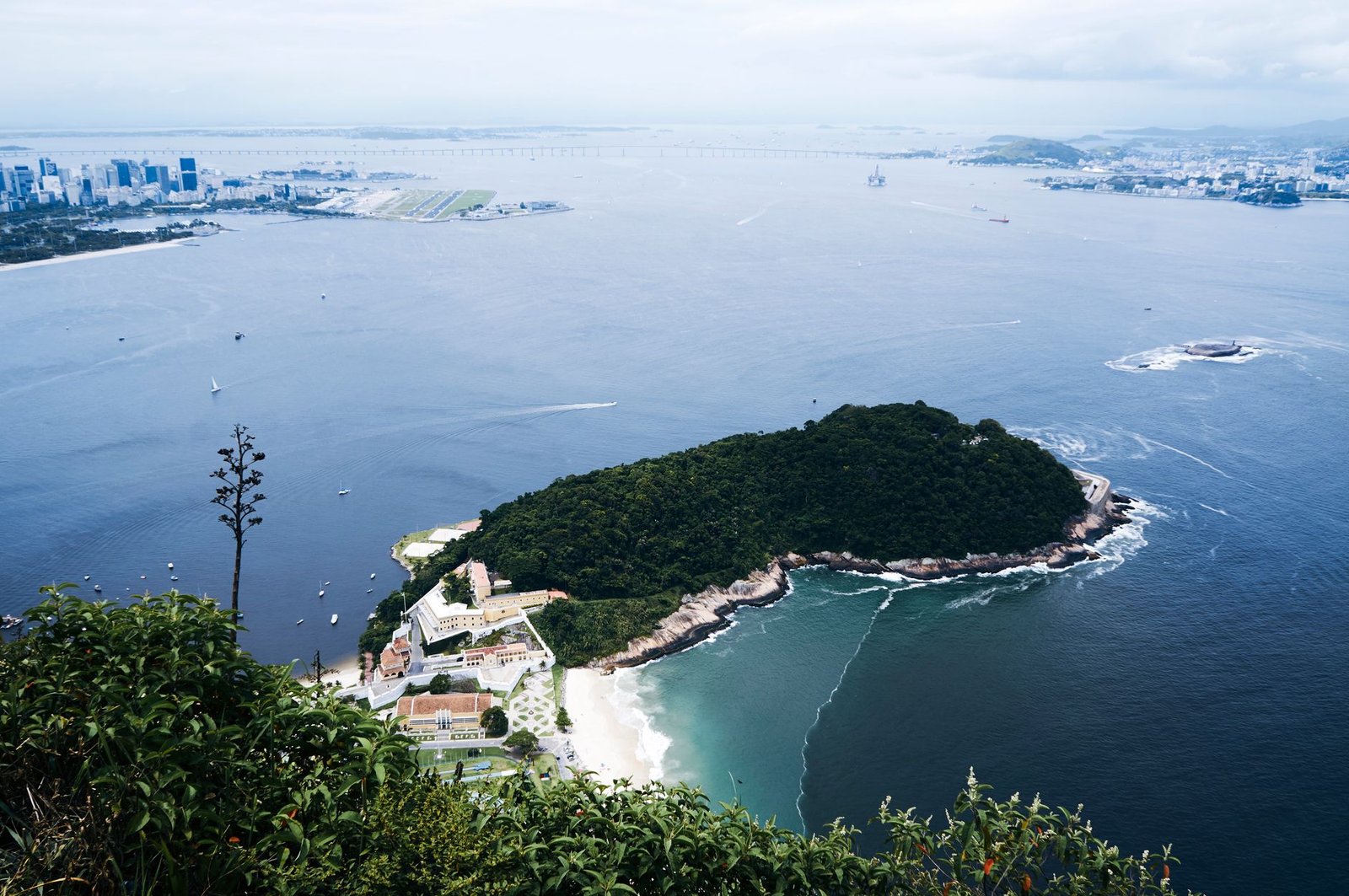
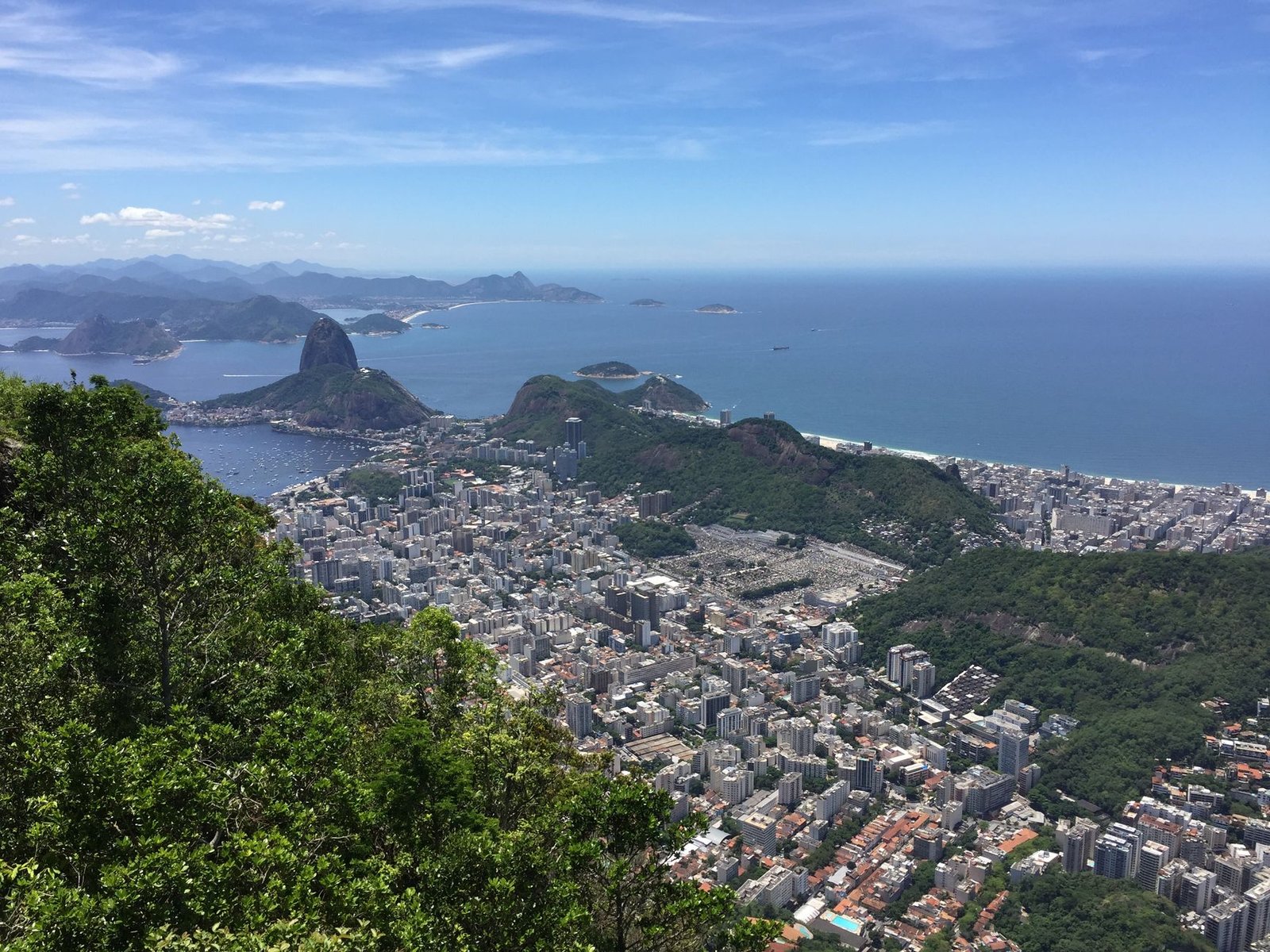
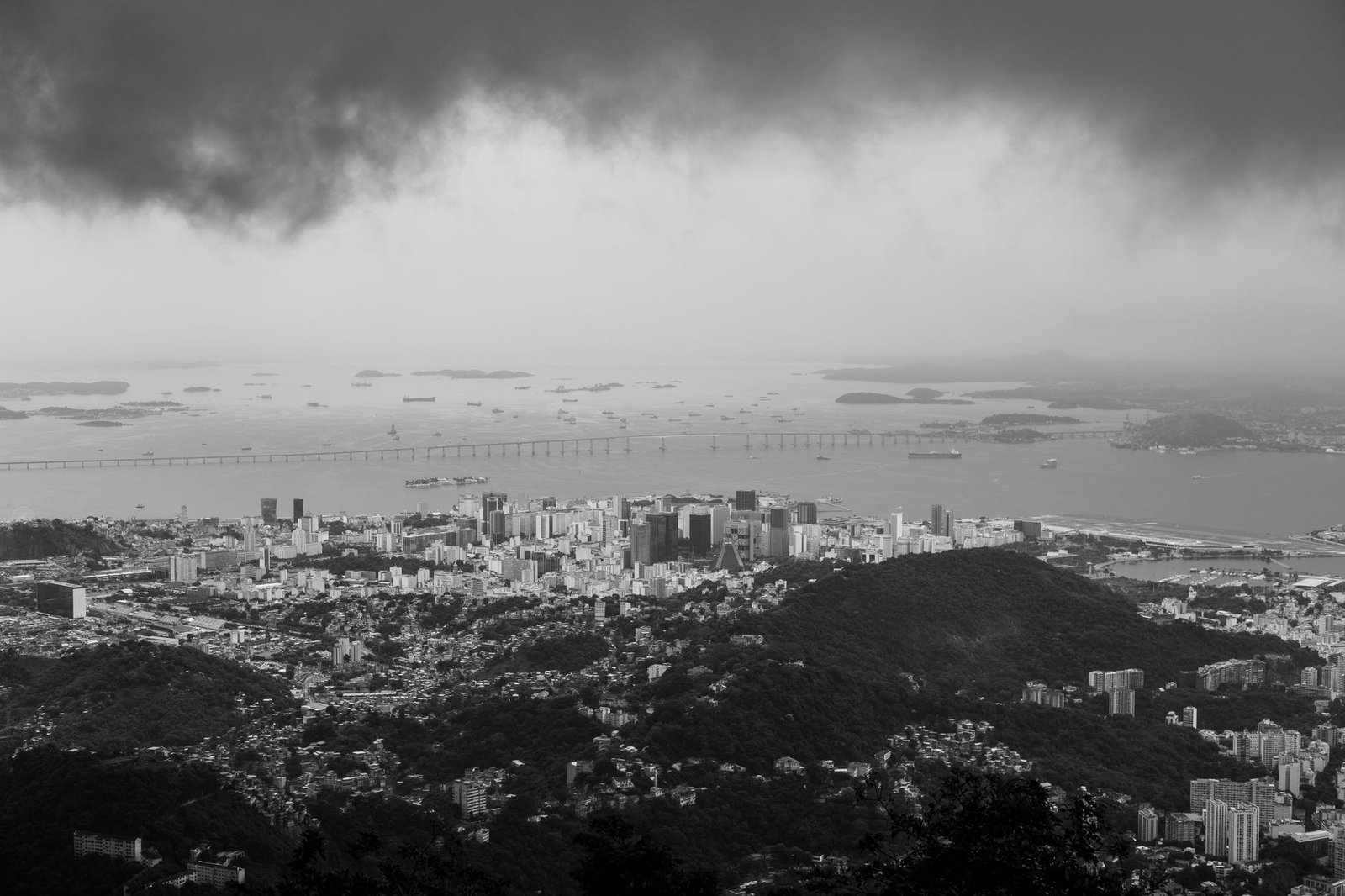
Here’s the truth: the view from the Dona Marta Lookout is enough to leave anyone speechless. From the top, you can see practically the entire North Zone, Guanabara Bay in its full extent, and—yes—Christ the Redeemer and Sugarloaf Mountain from perspectives you’ll rarely see anywhere else.
What makes this view special is its vastness. Unlike other lookouts that focus on one specific tourist attraction, the Dona Marta Lookout offers a complete urban panorama. You see favelas and luxury buildings, nature and concrete, all coexisting in the same frame. It’s honest.
On clear days, you can even see beyond Guanabara Bay, spotting areas of Niterói. Sugarloaf Mountain is clearly visible to the southeast, while Christ the Redeemer stands out against the sky from a surprising angle—usually larger and closer than it seems from other tourist spots.
How to get to the Dona Marta Lookout: practical options
Let’s be honest: it’s not the easiest place to reach by subway. The best strategy involves one of these scenarios:
Option 1: Rental car or Uber
If you have a rental car or are willing to pay for an Uber, this is the most direct way. The lookout is on Rua de Bonsucesso, a relatively simple access point off the BR-101. The drive from Copacabana takes about 20 minutes, depending on traffic. Parking is easy—there’s space on the street and in small makeshift parking areas. If you’re coming by Uber, drivers know the spot well. The average fare runs between R$ 30 and R$ 50 depending on your starting point.
Option 2: Traditional taxi
Rio’s taxis generally know the Dona Marta Lookout well. Talk to the driver at your accommodation or ask them to take you there. The price is negotiable (somewhere between R$ 40 and R$ 80 from Copacabana), and they can even wait while you enjoy the view. If you go this route, let the driver know in advance how long you plan to stay.
Option 3: Public transit + taxi/moto-taxi
If you’re on a tight budget, take a BRT or bus to Bonsucesso and then use a taxi or moto-taxi to head up to the lookout. This combination is cheaper (around R$ 15-20 total), though it takes longer. The downside is that you’ll need to know exactly which stop to get off at, since not all buses go straight to the neighborhood.
Option 4: Guided tour
Local agencies offer tours that include the Dona Marta Lookout. The advantage is that transportation is handled, you get a guide who knows the area’s stories, and some agencies even combine the lookout with other North Zone attractions (like the Rio Art Museum or Praça XV). The average price runs between R$ 150-250 per person.
Ideal times to visit
The best time to visit the Dona Marta Lookout is a toss-up between two options, and both are valid depending on what you want to experience.
Late afternoon (from 3 PM)
If you’re into photography, late afternoon is pure gold. The golden light blankets the city, and Christ the Redeemer takes on a reddish hue that looks straight out of an Instagram filter—but it’s real. The sunset at the Dona Marta Lookout is considered by many locals to be one of the best in the city. Arrive an hour before sunset to make the most of it. In June (winter), sunset is around 5:30 PM. In December, it’s around 6:30 PM. Plan accordingly.
Nighttime (from 6 PM)
If you come at night, the city turns into a carpet of lights. Christ the Redeemer is illuminated (when it’s working), and the entire North Zone glows. The experience is completely different from the daytime—more mystical, more cinematic. Many couples and groups of friends choose the night for exactly that reason.
Avoid going between 11 AM and 2 PM—it’s too hot, the sun is directly overhead, and cloud cover is common at that hour, compromising the view.
Safety and behavior tips
The Dona Marta Lookout is located in an area that historically requires caution. But before writing the place off out of fear, know that thousands of tourists and locals visit the lookout regularly. Safety has improved significantly in recent years, and there’s a police presence in the area, especially on weekends.
Best practices:
- Go in a group: Going alone is less safe. With a group—friends, family, even a guided tour—it’s much more relaxed. Tourist groups are more visible and face less risk.
- Avoid very late nights: If you’re going at night, go between 6 PM and 8 PM. After that, foot traffic drops significantly and safety declines.
- Don’t bring valuables: Leave jewelry, flashy watches, and heavy bags at the hotel. Bring only the essentials (phone, minimal wallet, camera).
- Respect the locals: The Dona Marta Lookout is in a real community. Don’t make noise, don’t leave trash, and respect the space. Simple greetings like “hi” and “thank you” go a long way.
- Consider a guided tour: If you’re uncomfortable, local agencies offer tours that include the lookout with a guide who knows the area and the necessary precautions. It’s worth it for the comfort and safety.
- Communicate well: Let someone at your hotel or accommodation know you’re heading to the lookout and what time you plan to return.
How long to stay at the Dona Marta Lookout?
Set aside between 45 minutes and an hour and a half. The first 15-20 minutes you’ll spend taking in the view, snapping photos, and getting your bearings. The next 30-40 minutes you actually enjoy it, rest, and chat with your group. If you’re coming specifically for sunset, add half an hour beforehand and watch the colors shift.
Dona Marta Lookout vs. other Rio viewpoints
How does it stack up against similar attractions? Here’s the honest rundown:
- vs. Sugarloaf Mountain: Sugarloaf is more beautiful in composition (you’re inside the view, not just observing it from afar), but it costs between R$ 160-180 and has lines. The Dona Marta Lookout is free and offers a panoramic view of Sugarloaf. If you’re short on time or budget, choose the lookout.
- vs. Christ the Redeemer: Christ is the classic attraction, but you see the monument from afar at the lookout. It’s worth combining both if you have the time and budget (Christ costs around R$ 90-100). The lookout is more budget-friendly and offers context of the city.
- vs. Other lookouts (Vista Chinesa, Pedra Bonita): The Dona Marta Lookout is more accessible and offers a broader view of the entire city. The others focus more on trails and physical effort. If you want a view with minimal effort, this is the best value.
What to do before and after the Dona Marta Lookout
If you’re visiting Rio for the first time and want to pack multiple viewpoints into one day, consider this route: Mirante Dona Marta (free entry, any time) → Aterro do Flamengo (park, no cost) → Sugarloaf or Christ the Redeemer (paid, late afternoon) → Lapa or Barra (nightlife).
If you prefer itineraries in the north zone, after the lookout you can visit the Rio Art Museum (MAR), Praça XV with its Antiques Fair (Saturdays), or the Confeitaria Colombo in the Historic Center — all within a reasonable distance.
Extra tips to make the most of it
Bring water and a light snack — there are no food vendors at the lookout. If you’re into photography, a tripod goes a long way for capturing the view at different times of day. Download a stargazing app if you’re going at night — Guanabara Bay and the city sky make for a special backdrop. Sunscreen is also essential, especially if you’re planning to stay into the afternoon.
Frequently asked questions about Mirante Dona Marta
Is the lookout open 24 hours?
Technically yes, but there’s no security team or infrastructure around the clock. Avoid going between 2 a.m. and 6 a.m.
Do I have to pay anything to get in?
No. Access is 100% free. There’s no gate, no turnstile, and no fee of any kind.
Is it worth combining with other attractions?
Yes. If you’re in Bonsucesso or coming from the north zone, add Mirante Dona Marta to your itinerary. If you’re coming from the south zone, it might not be worth the trip on its own — but if you’re passing by, don’t miss it.
What’s the best time of year to visit?
Any time is good. In winter (June to September), visibility is better and humidity is lower. In summer (December to March), it’s hotter and more humid, but the view is just as spectacular.
Can I bring kids?
Yes, with some caveats. The lookout has no fall protection, so keep young children close at all times. Teens usually love it.
Conclusion: why you should visit Mirante Dona Marta
Mirante Dona Marta isn’t the kind of attraction that shows up on every “10 things to do in Rio” list. But that’s exactly why it’s worth it. It’s a place frequented by cariocas, by people who know the city beyond the postcard tourism. The view is genuine, free, and offers a unique perspective of the city that you won’t find anywhere else at the same price.
If you’re willing to venture a little beyond the beaches of Copacabana and Ipanema, if you love panoramic views and understanding a city from above, Mirante Dona Marta deserves a spot on your itinerary. Show up at the right time, go safely, and let the view do its thing. All of Rio is waiting for you up there.