A Step Back in Time from the Moment You Walk In
There are places in Rio you visit for the view. Others, for the beach. And then there’s Confeitaria Colombo, which you visit for the silence it commands the second you walk in and look up. Seriously, it’s nearly impossible not to pause for two or three seconds in the doorway, mouth agape, before you even start looking for a table.
Founded in 1894 by two Portuguese immigrants, Manuel Lebrão and Joaquim Borges de Meirelles, Colombo has called Rua Gonçalves Dias in Rio’s Centro home for over 130 years. And it’s no exaggeration to say it has weathered just about everything: urban renewal projects, shifting habits, the decline of Centro as a chic residential neighborhood, two world wars (okay, indirectly), and the rise and fall of countless modern coffee shops. Colombo is still there, with the same mirrors.
Dica: Aproveite também para fazer estes passeios no Rio de Janeiro
Cristo Redentor de trem e tour pelo Rio de janeiro. Duração: 4 horas
Passeio grátis pelo centro histórico do Rio e Lapa. Duração: 3 horas
Free tour pelo bairro de Santa Teresa. Duração: 2h 30m
Amanhecer no mirante de Dona Marta + Cristo Redentor Duração: 4 horas
Veja todos os passeios e tranfers no Rio de Janeiro
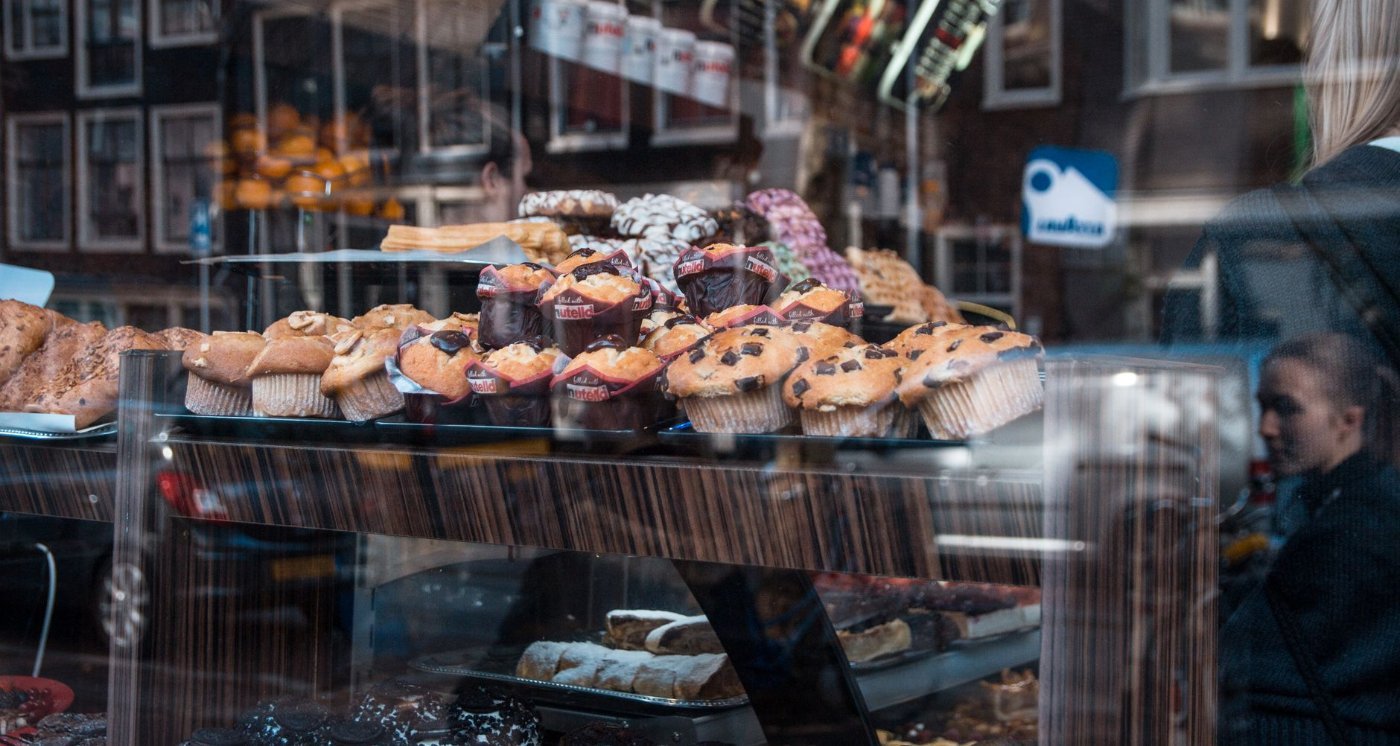
Photo by Daniel Nouri | Pexels
The Story Behind the Center’s Most Beautiful Hall
In the late 19th century, Rio’s Centro was the beating heart of social life in the then-capital of Brazil. It was where the aristocracy, politicians, and the city’s high bourgeoisie mingled, sipped coffee, read the papers, and gossiped. Colombo was born precisely for this crowd—a European-style confectionery with fine products, a refined atmosphere, and that air of “chic yet accessible” that quickly won the city over.
Its period of greatest glamour was the turn of the 20th century, during Rio’s Belle Époque. The establishment became a meeting point for writers, artists, and politicians—and it still displays photos and references from that era on its walls. According to house tradition, Machado de Assis was a frequent customer, as were other names in Brazilian literature who circulated through Centro during that time.
Over the years, Centro lost its residential prominence to the Zona Sul, but Colombo managed to stay relevant—today it functions both as a tourist hotspot and a haven for those working in Centro who want to escape the rush for an hour. For those wanting to dive deeper into the establishment’s history, a detailed account is available on Wikipedia.
Art Nouveau in Every Detail: Why the Décor is So Impressive
This is the number one reason it’s worth stepping inside, even if you don’t eat a thing. Colombo’s décor is a nearly pristine example of Art Nouveau style, with elements imported from Europe in the late 19th century—something rare to see anywhere in the world today, and even rarer to find still operating as a confectionery.
The enormous mirrors covering much of the walls came from Belgium. The furniture and counters, made of solid jacaranda wood, were carved by master cabinetmakers using a highly detailed marquetry technique—be sure to notice the intricate, interlocking designs characteristic of the style. The ceiling features skylights that let in natural light, creating a soft illumination effect that changes with the time of day.
Upstairs, the Cristóvão restaurant operates in a mezzanine overlooking the main hall—another detail worth the visit, especially if you want to escape some of the ground floor’s bustle.
A tip from someone who’s visited many times: take a few minutes to look up, into the corners, at the details of the counters. It’s easy to get so focused on the pastry that you forget to notice everything else—and everything else is, honestly, the main reason to be there.
What to Order: The Classics You Can’t Miss
Colombo is famous for its Portuguese and French confectionery, with touches that have become classic Rio staples. Some items that show up in recommendations all the time (and for good reason):
- Pastel de Santa Clara — a Portuguese sweet made with egg yolks and almonds, the kind that seems too small until you take your first bite and realize how intense they are.
- Bolo de noiva or bolo Colombo — traditional filled cake recipes, usually also sold by the slice, great for those who want to sample without buying a whole cake.
- Croissants and puff pastries — made in-house daily, with that flaky crust that crumbles at the first bite.
- Empadinhas and savory snacks — a good option if you’re more hungry than in the mood for something sweet.
- Espresso or hot chocolate — to go with it, especially on cooler days (yes, Rio has those days too—rare, but they exist).
If you’re after something more elaborate, order the famous afternoon tea—one of the house’s most traditional experiences, and one that deserves its own paragraph.
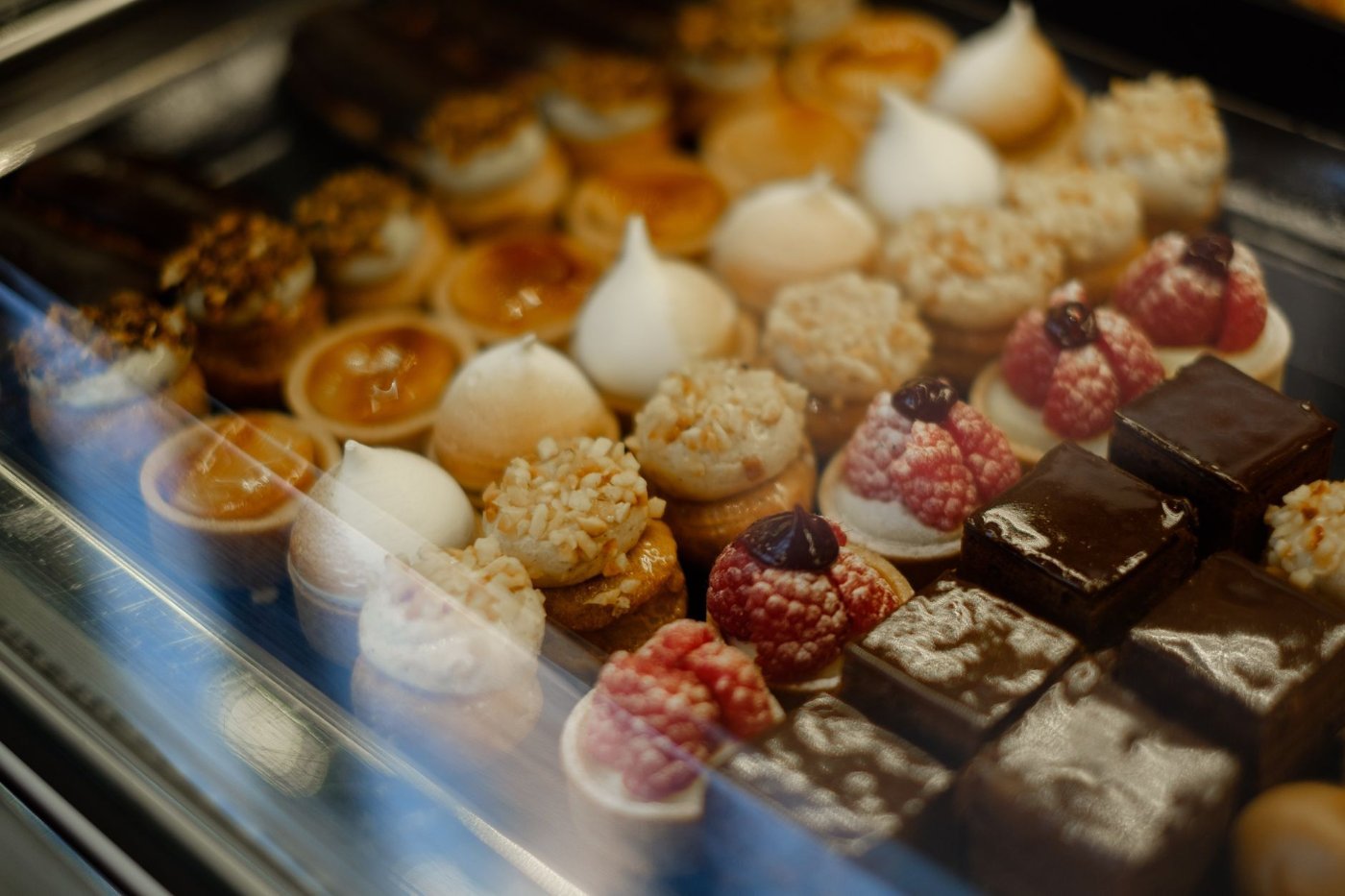
Photo by Svitlana Shakalova | Pexels
Afternoon Tea: The Most Popular Experience Among Tourists
Colombo’s afternoon tea is one of those events that feels exclusive but that anyone can book with a bit of advance notice. Usually served between early and mid-afternoon, it brings together a selection of mini-sandwiches, savory bites, cakes, tarts, and assorted sweets, served in tiers—a format quite similar to British afternoon tea, but with its own identity, packed with Portuguese and Brazilian recipes.
The price varies depending on the season and the type of service (individual or for sharing), so it’s best to confirm directly with the establishment before you go, especially if you’re organizing a special occasion—a birthday, a bachelorette party, or one of those “let’s do something different today” get-togethers.
Reservations are recommended, especially on weekends and holidays. The place tends to get quite busy on those days, and without a reservation, you risk waiting—which brings us to the next section.
Practical Tips to Skip the Line
Colombo is a must-stop on any sightseeing itinerary through Centro, which means: peak hours have lines, yes. Some tips that help a lot:
- Go on a weekday, in the morning — right after opening, it’s much quieter. It’s the best time for photos without people constantly walking in front of you.
- Avoid lunchtime — between 12pm and 2pm, the flow of people working in Centro mixes with tourists, and the hall gets crowded.
- Weekends tend to have longer lines for afternoon tea — if that’s your plan, book ahead.
- Combine it with other Centro sights — since the route is concentrated in a small area, it’s worth fitting Colombo into the middle of a walk past other nearby historic landmarks, so you make the most of your time.
The establishment is open Monday through Saturday, with reduced hours on Sundays (in many cases closed or partially open)—it’s worth checking the current hours on the official website or social media before you go, as they can vary with holidays and events in Centro.
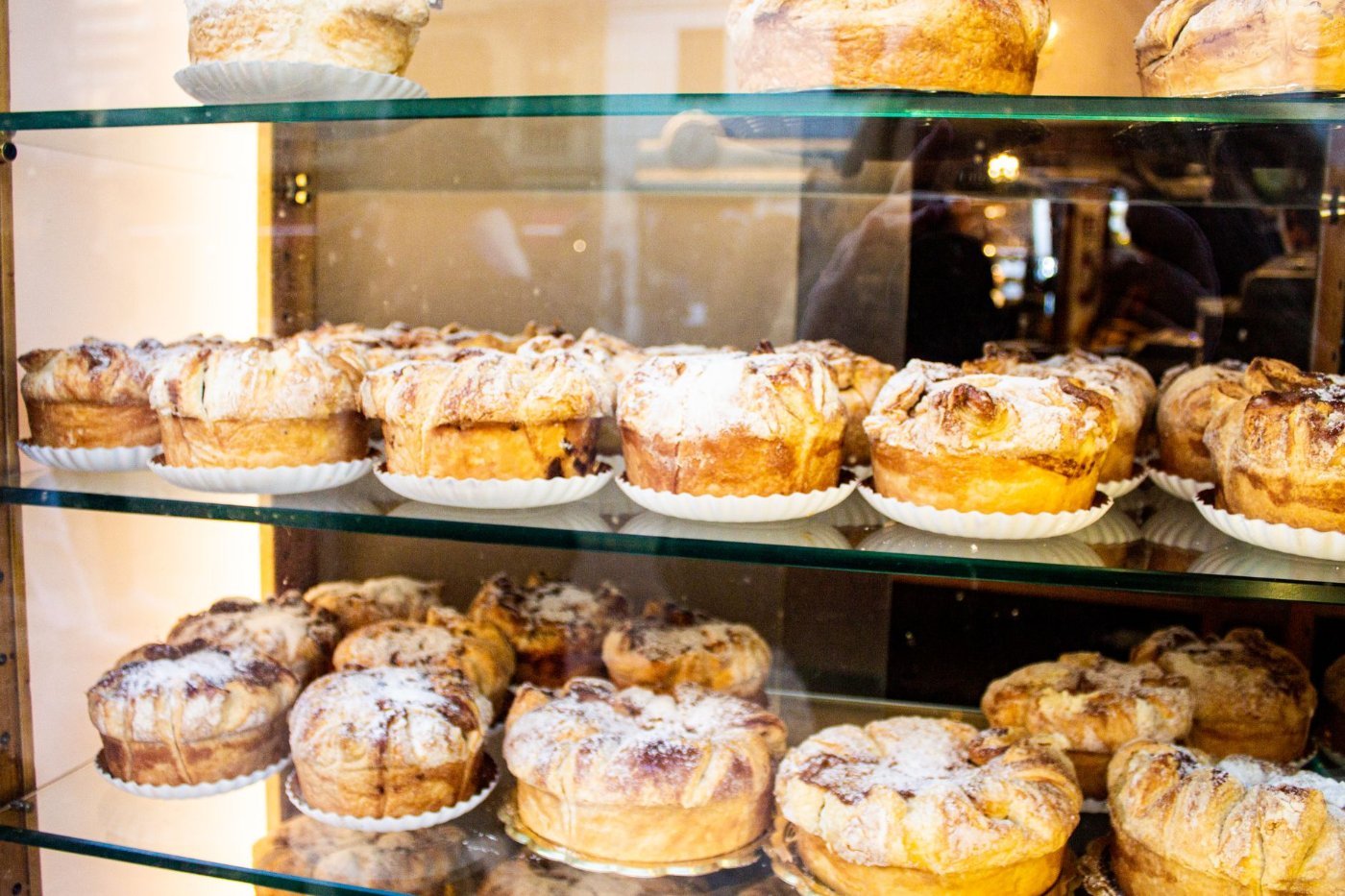
Photo by Natalia Sevruk | Pexels
The Copacabana Fort Branch: The “With a View” Version
If the Centro location is pure historic charm, the branch inside Forte de Copacabana is pure scenery. Set within the fort’s grounds in Copacabana, this location offers practically the same menu of sweets and savories as the original, but with one giant advantage: views of Copacabana Beach and the ocean, framed by the fort’s historic structures.
It’s a great pick for those in the Zona Sul who want to try Colombo without trekking to Centro—or to cap off a visit to Forte de Copacabana with a slightly “cinematic” afternoon coffee. Keep in mind that access to the fort has an entry fee (with exemptions for certain groups, as is common with Army-run facilities)—details on hours and tickets are on the official Forte de Copacabana website.
The two locations have very different vibes—one is about architecture and history, the other about scenery. If you can, it’s worth visiting both at different points in your trip.
Photo by Sara Er | Pexels
How to Get to the Centro Location
Confeitaria Colombo is located at Rua Gonçalves Dias, 32, in Rio’s Centro, an area well-served by public transportation:
- Metro: Carioca and Uruguaiana stations are just a few minutes’ walk away, making them the most practical options if you’re coming from other parts of the city.
- On foot from Cinelândia: if you’re following the route through Theatro Municipal, the National Library, and the National Museum of Fine Arts, Colombo is a short stroll away — a great way to wrap up (or kick off) your tour.
- Car/ride-share: the city center has heavy traffic on weekdays, and parking around there can be tricky. If you’re driving or taking an app-based ride, consider getting dropped off a bit farther out and walking the rest of the way.
Since it sits in a commercial district, the best time to visit is during business hours — at night and on weekends, the center empties out, which matters both for safety and for how many other places nearby will be open.
A little context: why it’s worth understanding the center before you visit
If you only know Rio for its beaches, the city center tends to be a pleasant surprise — it’s a part of town with 19th- and early 20th-century buildings, narrow streets, and a rhythm completely different from the Zona Sul. Colombo is, in a way, a time capsule from that era: it represents the days when the center was the place “to be seen,” with its pastry shops, theaters, and clubs.
Today, this historic circuit has found new life with itineraries that connect Colombo to other nearby landmarks — century-old libraries, museums, and theaters that have also survived the city’s transformations. If you’re planning a cultural afternoon in the center, it’s worth adding the Real Gabinete de Leitura to your list, a Portuguese library with architecture just as stunning as Colombo’s — it’s a short walk away and perfectly rounds out a route of “beautiful center-city spots that look like movie sets.” To check out other attractions and events in the center during your trip, it’s also worth browsing the official tourism portal Visit.Rio.
Best time to visit
Colombo is open year-round, so there isn’t exactly a “best season” in the weather sense. But a few periods are worth keeping in mind:
- Holiday season and Carnival: the center gets quieter during Carnival (since the city’s focus shifts to the Zona Sul and the Sambadrome), which can be a plus if you want to visit Colombo with fewer people around.
- Rainy days: indoor activities like Colombo make even more sense on rainy days, when the beach is out of the question.
- Cultural events downtown: every now and then, the surrounding area hosts events, exhibitions, or free shows that pair nicely with a visit — it’s worth checking the local cultural calendar before you go.
Frequently asked questions about Confeitaria Colombo
Do you need a reservation to visit Confeitaria Colombo?
For a simple visit, a coffee, or buying sweets, no reservation is needed. For afternoon tea, especially on weekends and holidays, booking ahead is recommended to avoid the wait.
How much does it cost to get into Confeitaria Colombo?
Entry to the main salon is free — you only pay for what you order. Access to the location inside Forte de Copacabana, however, may involve the fort’s own admission fee, since it’s an Army-run site with an entry charge (with some exemptions).
Is Confeitaria Colombo expensive?
Prices are in line with what you’d expect from a historic, tourist-frequented pastry shop — higher than your neighborhood bakery, but reasonable for the experience. A coffee with a pastry is usually an affordable treat; the full afternoon tea, on the other hand, costs more, so it’s worth checking the current prices before you go.
What are the opening hours?
The shop is open Monday through Saturday, with extended business hours and reduced hours or closure on some Sundays. Since hours can shift around holidays, the best bet is to check Colombo’s official website or social media before planning your visit.
Is Confeitaria Colombo worth visiting just to look around without ordering anything?
Absolutely — plenty of people pop in just to admire the decor and snap photos. But with a space this beautiful and historic, still preserved to this day, it makes sense to show some appreciation by ordering something, even if it’s just a little coffee.
Is it worth the visit?
If you’re putting together a route through Rio’s center, Confeitaria Colombo is one of those places that manages to combine history, architecture, and food in a single stop — and a quick one at that, fitting neatly between other points on the historic circuit. For travelers who love noticing details — the furniture, the mirrors, the light streaming through the skylights — Colombo tends to stick in your memory as one of the most beautiful moments of the trip, even if it’s “just” a coffee break.
Next time you’re near Cinelândia or Rua Gonçalves Dias, it’s worth setting aside 40 minutes to an hour for this pause. And if you can, go during a quieter time — that initial hush as you walk in and look up at the ceiling is part of the experience.
Read also: Ilha de Paquetá: A Ferry Day Trip Across Guanabara Bay — the car-free island 50 minutes by boat from Praça XV, with bikes, horse-drawn carriages, and preserved colonial architecture.
If you’re in Rio’s center on a Saturday, make a point of stopping by the Feira de Antiguidades da Praça XV — a treasure hunt of antiques, vinyl, cameras, and rare finds that happens weekly just minutes from here.