Every time the city heat gets too intense, I think the same thing: there’s a way to escape it without needing a complicated itinerary. And Petrópolis is exactly that kind of escape. Just an hour and a half from Rio, the town offers mountain weather, historic buildings around every corner, and that slower pace you find yourself missing every now and then.
If you’re thinking about exploring other towns in the mountain region, you might have already checked out our complete Teresópolis guide — Petrópolis is a great companion for that kind of trip, whether on the same weekend or another time.
Dica: Aproveite também para fazer estes passeios no Rio de Janeiro
Cristo Redentor de trem e tour pelo Rio de janeiro. Duração: 4 horas
Passeio grátis pelo centro histórico do Rio e Lapa. Duração: 3 horas
Free tour pelo bairro de Santa Teresa. Duração: 2h 30m
Amanhecer no mirante de Dona Marta + Cristo Redentor Duração: 4 horas
Veja todos os passeios e tranfers no Rio de Janeiro
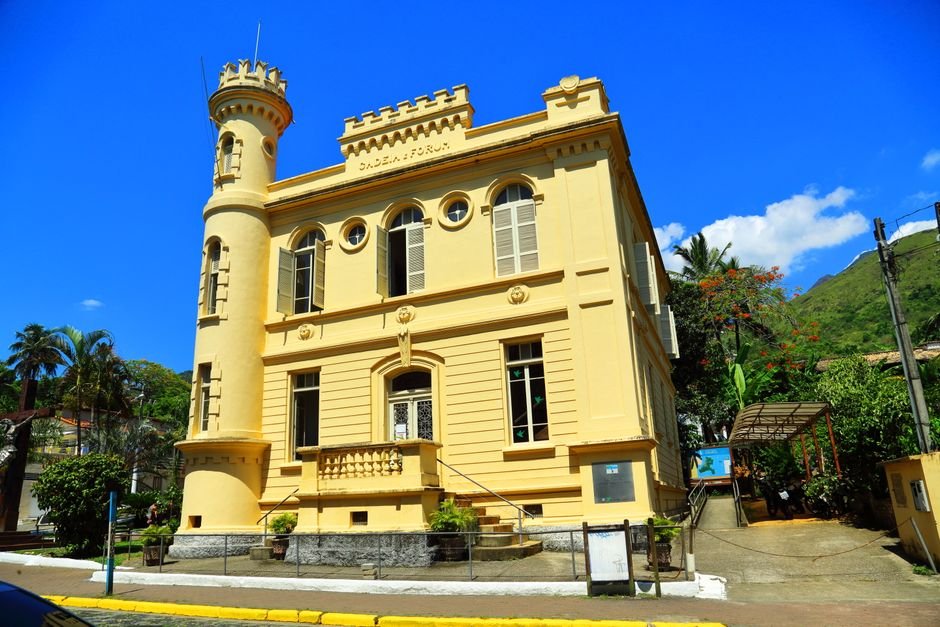
Photo by Djalma Paiva Armelin | Pexels
Why Petrópolis Works So Well as a Day Trip
The “Imperial City” has an advantage few destinations near Rio offer: history concentrated within a few kilometers. Dom Pedro II chose the spot to build his summer palace in the 19th century, and the city grew around that core — which means most of the main attractions are just a short walk from each other.
Add to that the mild climate (usually much cooler than Rio, especially at night), the European architecture, the craft breweries that have popped up around town in recent years, and the easy transportation, and you’ve got a plan that fits comfortably into a single day — without losing that feeling of having traveled somewhere else entirely.
A Bit of History: Why Petrópolis Exists
Petrópolis’ story is directly tied to the Brazilian imperial family. In the 19th century, Dom Pedro I bought a farm in the region, in the Serra da Estrela, drawn by the cool climate — a far cry from Rio’s heat, which at the time was still dealing with yellow fever outbreaks. The project to build a city there was only brought to life by his son, Dom Pedro II, who hired a French engineer to design the urban layout, with wide streets, canals, and lots set aside for European immigrants, mainly Germans.
That’s why, to this day, the city’s architecture blends European elements with neoclassical buildings and references to the imperial period — and why the nickname “Imperial City” makes so much sense. Knowing this context before you visit helps you understand why every building in the historic center seems to “tell a story” just by looking at its facade.
How to Get to Petrópolis from Rio
The distance between the two cities is about 66 km, and the bus ride usually takes between 1h and 1h30, depending on traffic on the Subida da Serra (the mountain road climb).
- By bus: buses leave from the Novo Rio bus station with frequent departures throughout the day — during peak times, the gap between them can be less than an hour. The average price ranges from R$ 25 to R$ 40, depending on the company and seat type (conventional or executive).
- By car: via the BR-040 highway, the route is direct and well-signposted. Factor in tolls and traffic leaving Rio, especially on weekends and holidays — leaving early helps you avoid most of the hassle.
- By van/shared ride: there are van services leaving from Rio tourist spots (like Copacabana) straight to Petrópolis, with fixed schedules — worth looking into if you don’t want to deal with the bus station.
For a relaxed day trip, it’s worth leaving Petrópolis by 6pm-7pm at the latest, since the Subida da Serra can get slower in the late afternoon, especially on Sundays.
One-Day Petrópolis Itinerary: What You Can’t Miss
With a full day, you can comfortably visit the main highlights of the historic center — most are within an area you can cover on foot or with short taxi/ride-share trips.
Imperial Museum (Museu Imperial)
Housed in Dom Pedro II’s former summer palace on Rua da Imperatriz, this is practically a must-stop for anyone visiting the city. The collection includes furniture, jewelry, and personal items from the imperial family — including the emperor’s famous crown.
The museum is open Tuesday to Sunday, from 10:30am to 6pm, and tickets usually cost around R$ 10 (full price) and R$ 5 (half price), with a cheaper family package. One thing that catches first-time visitors’ attention: you have to cover your shoes with felt slippers before entering, to protect the original wooden floors.
Crystal Palace (Palácio de Cristal)
Just a few minutes from the Imperial Museum, this is one of the most photographed spots in town — an iron-and-glass structure brought from France in 1884, originally designed for flower exhibitions and now used for cultural events.
Admission is free, and opening hours vary: Sunday to Tuesday from 9am to 6pm, and Wednesday to Saturday from 9am to 9pm. It’s worth checking if there’s a temporary exhibition happening on the day of your visit.
Santos Dumont House (Encantada)
The “little house” designed by the “father of aviation” himself is one of the quirkiest stops on the itinerary. Built with creative solutions — like a staircase that doubles as a closet and a shower that works as an improvised Scottish shower — it shows a more personal and eccentric side of Santos Dumont, far from his aeronautical achievements.
Cathedral of São Pedro de Alcântara
In neo-Gothic style, the cathedral holds the tombs of Dom Pedro II and Empress Teresa Cristina. Even if you’re not big on religious architecture, it’s worth stepping inside to admire the stained glass and the atmosphere of the place.
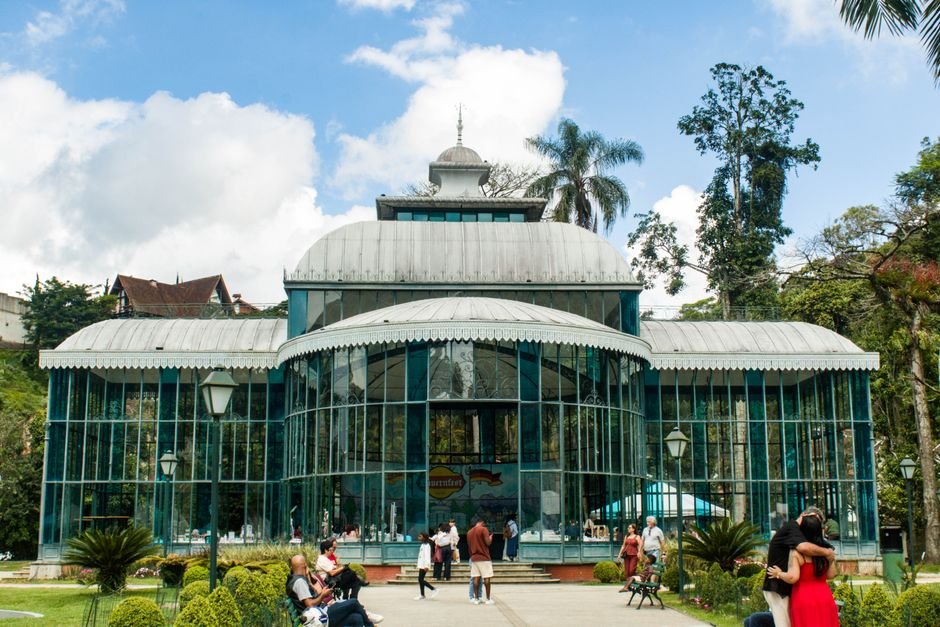
Photo by jorginho Dj | Pexels
Rua Teresa, the Flowers Clock, and Quitandinha Palace
If there’s still time, Rua Teresa concentrates a good chunk of the city’s factory outlet shopping (mostly fashion, with wholesale prices). The Flowers Clock (Relógio das Flores), a garden-clock in front of the Crystal Palace, is a quick photo stop. The Quitandinha Palace — a former casino with imposing architecture inspired by European castles — sits a bit further from the center, but it’s an interesting detour for those with a car or who don’t mind a longer walk.
Where to Eat: Craft Beer and Mountain Cuisine
In recent years, Petrópolis has become a hub for craft breweries — it’s not uncommon to find bars and restaurants with local production options on the menu. Combined with winter dishes (fondues, soups, cheese and cured meat plates), the city has a food scene that reminds you of mountain towns in southern Brazil, but with its own identity.
For a day trip, it’s worth having a heartier lunch around noon — that way you can enjoy the rest of the afternoon on the itinerary without rushing, and still have energy for the ride back.
Best Time to Visit Petrópolis
Being in a mountain region, Petrópolis has milder temperatures than Rio all year round, but the contrast is most noticeable in autumn and winter, when mornings and nights can get quite cold by Rio standards. Bring a jacket even if it’s hot in Rio when you leave — the temperature difference catches a lot of people off guard.
Weekends and long holidays tend to be busier, especially at the central tourist spots. If possible, prefer going on a weekday to enjoy things more peacefully — and with much shorter lines at the Imperial Museum.
Is It Worth Spending the Night in Petrópolis?
If your itinerary allows, spending one night in town completely changes the experience. At night, with emptier streets and the cool mountain air, the historic center takes on a different vibe — and you also avoid driving the Subida da Serra back to Rio tired at the end of the day. The city has chalet-style inns, historic hotels, and simpler accommodations downtown, with prices varying quite a bit depending on the season.
Even if the original plan is a day trip, it’s worth keeping that option in your back pocket — especially if the itinerary ends up “stretching” and you realize there’s still a lot left to see.
Other Attractions for Those with More Time
If Petrópolis ends up winning you over and you have an extra day, two nearby outings often make it into the itinerary of those who already know the region:
- Itaipava: a district about 20 minutes from Petrópolis’ center, known for its outlet malls and clothing factories, plus charming restaurants and cafés in a mountain-town style.
- Vale do Cuiabá and Penedo: a bit further out (on the border with Minas Gerais), Penedo is known as “Brazil’s Finland,” settled by Finnish immigrants, with architecture, cuisine, and crafts that hark back to Scandinavia — quite a contrast to Petrópolis’ imperial architecture.
Neither is essential for a day trip, but they help you plan a second visit to the region with a completely different itinerary from the first.
Practical Tips for Your Day Trip
- Leave Rio early — the earlier you go, the more time you’ll have on your itinerary and the less traffic you’ll hit on the climb up the Serra.
- Bring a light jacket or sweater, even on sunny days — the mountain breeze can change the temperature in a hurry.
- Wear comfortable shoes: a good chunk of this itinerary is done on foot between the sights of the historic center.
- Check the Imperial Museum’s official website before you go to confirm hours and any temporary exhibitions.
- If you’re taking the bus, give yourself some extra time at the station — during peak hours, some departures sell out.
Frequently Asked Questions About Petrópolis
Can you do Petrópolis in one day from Rio?
Yes. With the round-trip journey totaling about 2.5 to 3 hours, you’ll still have a full day to visit the main sights of the historic center, enjoy a relaxed lunch, and head back before nightfall.
Do you need to buy tickets in advance for the Imperial Museum?
Usually not, but on high-demand dates (holidays, school breaks) lines can form. Arriving earlier helps you skip the wait.
Is Petrópolis a good option for traveling with kids?
Yes — the historic center is relatively flat and walkable, the Palácio de Cristal (Crystal Palace) tends to delight children, and there are plenty of squares and cafés for breaks along the way.
How much does a day trip to Petrópolis cost, on average?
Factoring in the round-trip bus fare, Imperial Museum admission, and a meal, it’s possible to do the trip on a pretty accessible budget — the city has options for every wallet, from a quick snack to a more elaborate lunch.
Is It Worth It?
For anyone living in or visiting Rio who wants a different kind of day without major logistical headaches, Petrópolis delivers history, architecture, mountain air, and a food scene that surprises — all just a bus ride away. If the mountain region caught your eye, be sure to check out our Teresópolis guide to put together an even more complete itinerary through the Serra Fluminense.