Ah, Rio de Janeiro! A city of breathtaking beauty, and few places capture its essence quite like Sugarloaf Mountain. This granite giant rising from Guanabara Bay isn’t just a world-famous postcard; it’s a true Carioca experience that stirs the senses and stays etched in your memory. Riding the cable car up and gazing out over the Marvelous City from above is, without a doubt, one of those “wow” moments in life.
But how do you turn that visit into a perfect day, without any hiccups or that nagging feeling you missed something? That’s exactly why we’re here! We’ve put together a super complete guide, designed for you who wants to explore Sugarloaf Mountain like a true local. We’re going to uncover all the secrets: from buying your tickets stress-free to the tips only those in the know share. No more doubts, let’s plan this unforgettable adventure together!
Dica: Aproveite também para fazer estes passeios no Rio de Janeiro
Cristo Redentor de trem e tour pelo Rio de janeiro. Duração: 4 horas
Passeio grátis pelo centro histórico do Rio e Lapa. Duração: 3 horas
Free tour pelo bairro de Santa Teresa. Duração: 2h 30m
Amanhecer no mirante de Dona Marta + Cristo Redentor Duração: 4 horas
Veja todos os passeios e tranfers no Rio de Janeiro

Unveiling Sugarloaf Mountain: Much More Than Just a Hill
First things first, it’s good to understand that the Sugarloaf complex is actually made up of two hills connected by the iconic cable car. The first one you’ll visit is Urca Hill, the “little brother,” standing at 220 meters tall. Even at this first cable car stop, the view is breathtaking, unfolding over Guanabara Bay, Botafogo Cove, and even Flamengo Park. It’s a great appetizer, with good facilities including shops, cafes, and viewpoints perfect for those first photos. Urca Hill is also where the famous trail ends for those who decide to hike the first leg.
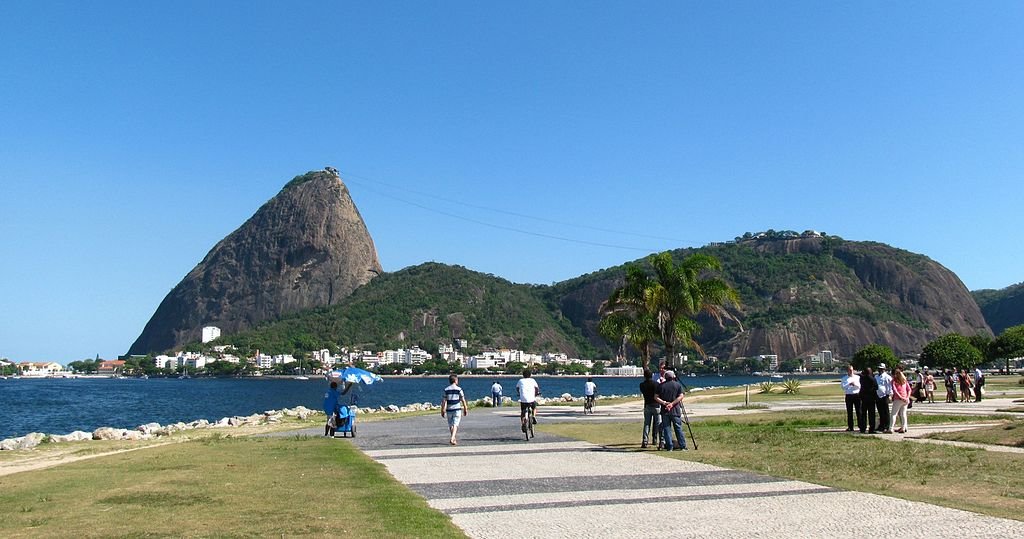
The second leg of the cable car journey takes you to the main star: Sugarloaf Hill, with its imposing 396 meters. From the summit, the landscape opens up in 360 degrees. It’s a true VIP box to admire Copacabana, Ipanema, the vastness of the ocean, the city of Niterói across the bay, the Rio-Niterói Bridge, and, of course, to spot Christ the Redeemer on his own rocky throne.
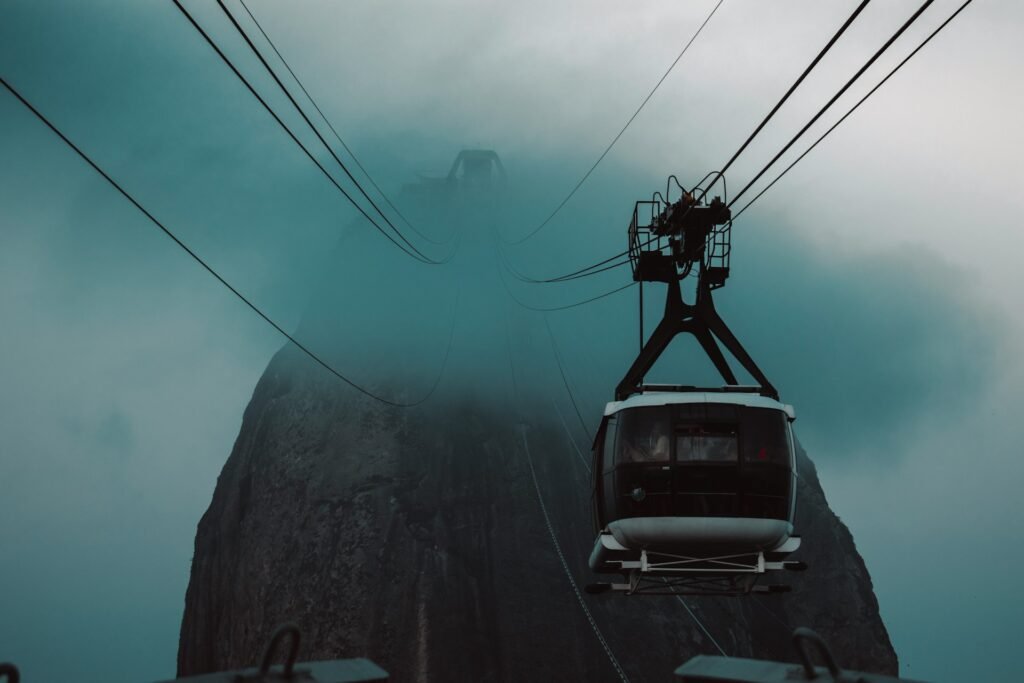
The Sugarloaf Cable Car, in turn, is an attraction in itself. Inaugurated back in 1912, this pioneer of Brazilian cable cars takes you on a smooth, scenic journey. The current cable cars are modern, safe, and fully glazed, ensuring you don’t miss a single detail of the landscape during the two short routes: from the base (Praia Vermelha) to Urca Hill, and from Urca Hill to Sugarloaf Mountain.
Why a Visit to Sugarloaf Mountain is a Must
The most obvious answer is the spectacular view. Being up there, feeling the breeze and watching the city unfold at your feet – with its mountains, beaches, and the immense Guanabara Bay – is an almost transcendental experience. Watching planes land at Santos Dumont Airport, the little boats in the bay, the unmistakable silhouette of Corcovado… it’s a feast for the eyes and the soul.
But the magic of Sugarloaf goes beyond the panorama. The cable car ride itself is charming, a calm and scenic trip that gets you in the mood. Plus, the complex offers excellent facilities. You’ll find well-kept viewpoints, restrooms, souvenir shops (some with really cool items!), and various dining options, from snack bars and cafes to restaurants where you can have lunch or toast with a million-dollar view.
For history buffs, it’s worth checking out the cultural spaces on Urca Hill, which often showcase the fascinating trajectory of the cable car and curiosities about Rio. And all of this is immersed in the lush nature of the Atlantic Forest, with the chance to spot marmosets and colorful birds. It’s a complete program, combining nature, history, engineering, and, of course, Rio’s incomparable beauty.
Planning Your Visit: Everything You Need to Know
Organization is key to a smooth and enjoyable outing. Let’s get into the practical details that will make all the difference on your day at Sugarloaf Mountain.
Sugarloaf Mountain Tickets: Your Complete Guide to Buying Without a Hitch
This is a crucial step! To guarantee the best experience, the golden tip is: buy your tickets online and in advance, directly from the official Sugarloaf Cable Car website. Seriously, this can save you precious time and avoid headaches. By buying online, you secure the official price, skip the (often long) lines at the ticket office at Praia Vermelha, and avoid the risk of falling for scams from touts or unauthorized websites.

When buying online, you usually choose the date and a specific time for your first ascent, which helps manage the flow of visitors. Although there is a ticket office on-site, it’s more suitable for those who decide to go at the last minute and are willing to face potential lines, especially on busier days.
There are different types of tickets to suit various needs. The Bondinho Ticket is the standard one, granting access to all stages of the tour (round trip). For those seeking more agility, there’s the Fast Access Ticket (sometimes called the Golden Ticket). It’s more expensive, but offers priority boarding in separate lines, which can be a lifesaver on holidays, during vacation season, or if you simply hate waiting. Consider whether the extra comfort is worth the investment for your profile and for the day of your visit.
There are also half-price tickets available for students (with a valid ID), seniors over 60, people with disabilities and their companions (when necessary), and low-income youth with the ID Jovem card. Proof will be requested at the entrance, so have your documents ready. Very young children are also usually free; it’s worth checking the exact age range on the official website.
Since prices and rules can change, it’s always a good idea to do a final check on the official Bondinho website before you go. That way, you’ll be up to date on current prices and any relevant information about ticket validity or cancellation policies.
Getting to Sugarloaf: Best Routes and Transportation Options
The starting point for this adventure is Avenida Pasteur, 520, in the Urca neighborhood, right at the base of Morro da Urca, next to Praia Vermelha. Getting there is easier than it seems, with several options available.
For those seeking convenience, ride-hailing apps (like Uber and 99) or taxis are great choices. They’ll drop you off right at the Bondinho entrance, and the cost-benefit is usually pretty good, especially if you’re coming from the South Zone or downtown.

If you’re looking to save some money, the bus is a viable alternative. Lines like 107 (Central x Urca) and 513 (Botafogo x Urca) have stops nearby. Checking urban mobility apps like Google Maps or Moovit can help you find the best bus route from your starting point.
An efficient combo is taking the Metro to Botafogo station (Lines 1 and 2) and then catching the integration bus 513 (Metrô na Superfície), which drops you off close by. Another option from Botafogo is to complete the final leg with a ride-hailing app or taxi, which would be a short trip.
Now, going by private car requires a bit more planning and patience. Parking in the Urca and Praia Vermelha area is quite limited, highly disputed, and generally expensive, operating on a rotating system or in private garages with high rates. If that’s your only option, leave with plenty of time to spare or consider parking in a nearby neighborhood, like Botafogo, and using another form of transport for the final stretch.
When’s the Best Time to Go Up? Hours, Seasons, and the Weather Factor
Getting the timing right can make your experience even more special. The Bondinho usually operates daily, typically opening between 8am and 9am and closing the last ascent around 7pm, with the final cable car down leaving a bit later. However, these hours can vary on holidays, during events, or due to operational issues, so the golden rule is: always check the official website!
As for the best time of day, there are two main strategies. If you want to avoid the crowds, the ideal is to arrive early, right at opening time. The park will be emptier, allowing for relaxed photos and a more serene visit, taking advantage of the beautiful morning light. On the other hand, late afternoon is the magical time for sunset. Watching the city light up as the sun says goodbye behind the mountains is unforgettable, but be prepared: this is the busiest time. If you opt for sunset, arrive well in advance (at least 1h30 before) to secure a good spot and avoid the risk of missing the show due to the lines between the hills.

Regarding the time of year, the low season (generally from March to June and August to November) offers a calmer Rio, with fewer lines, pleasant weather, and possibly better prices around the city. If you have flexibility, this is the ideal period. During the high season (summer, July, and long holiday weekends), the city is buzzing, and Sugarloaf naturally gets more crowded. The visit is still wonderful, but it requires more patience or investing in the Fast Pass.
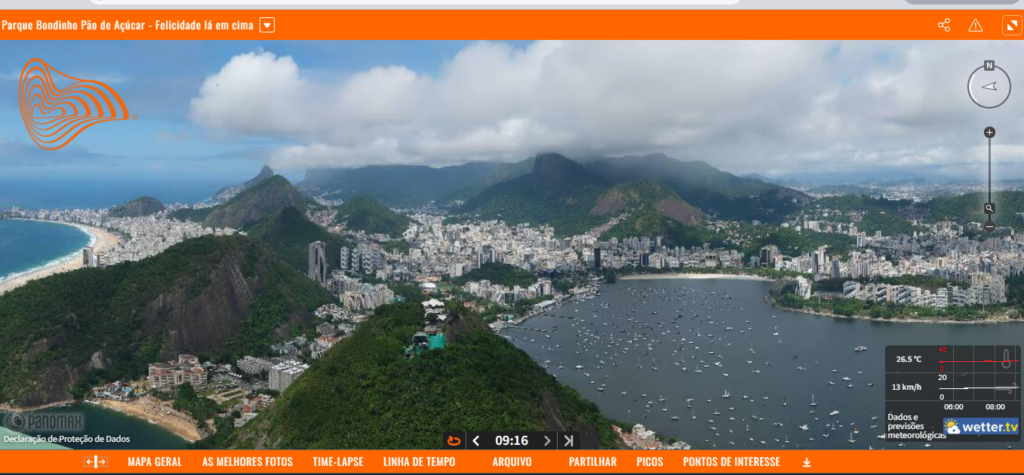
A crucial point is the weather. Rio can be unpredictable, and fog is a real possibility, especially at certain times of the year. On very cloudy days, visibility from the top can be significantly reduced or even zero. Before you go, especially if you’ve already bought tickets, it’s worth checking the weather forecast and, if possible, looking at live cameras that show the conditions at the top. If the weather looks really bad, you might want to reconsider the day of your visit to make the most of the view. The Bondinho can also have its operations suspended for safety reasons in case of very strong winds or thunderstorms with lightning.
How Much Time Should You Set Aside for the Tour?
Don’t underestimate the time needed to enjoy Sugarloaf without rushing. Set aside at least 2 to 3 hours for the complete tour. This includes waiting time in lines (even if short), the cable car rides, and time to walk around the viewpoints, take photos, and soak in the atmosphere of each hill. If you like to explore every corner, stop for a leisurely snack, or if you’re visiting on a busy day, you could easily need 4 hours or more. Go at your own pace to truly enjoy it!
Your Journey to the Top: The Step-by-Step Experience
So, how does the tour work in practice? It’s quite simple and organized. Upon arriving at the charming base station at Praia Vermelha, you’ll validate your online ticket or buy one at the ticket office. From there, you’ll head to the line for the first leg of the Bondinho, towards Morro da Urca. The ascent is quick, about three minutes, and the views are already starting to impress.
Once you disembark at Morro da Urca, explore to your heart’s content! Walk along the viewpoints with views over the Bay, Botafogo, and downtown. Visit the cultural spaces, check out the shops, grab a coffee. This is also where you’ll find the access point for those who did the hiking trail.
When you’re ready, head to the boarding area for the second leg of the Bondinho, which will take you to Sugarloaf Peak. This ride is a bit longer and higher, gradually revealing the stunning landscape that awaits you at the top.
Arriving at the summit of Sugarloaf Mountain, get ready for the pinnacle of the experience. Wander through the different levels, exploring every angle of the 360-degree view. Snap photos of Copacabana down below, spot Christ the Redeemer, and admire the Rio–Niterói Bridge. There are snack bars and restrooms up here too. The most important thing is not to rush—just soak in the moment and the grandeur of the scenery.

To head back down, it’s the reverse route: take the cable car back to Morro da Urca, and from there, the final leg down to the base at Praia Vermelha. Keep in mind that the lines to descend, especially after sunset, can also be significant, so plan your exit accordingly.
Valuable Tips for an Even Better Visit (Beyond the Obvious)
Want to level up your visit? Jot down these suggestions that can make all the difference:
The Morro da Urca Trail: Adventure with a View (and Free!)
For the more adventurous and nature lovers out there, there’s an alternative to the first cable car leg: the Morro da Urca Trail. Access is via Pista Cláudio Coutinho, right next to Praia Vermelha. The hike up through the forest is free, rated easy to moderate (with some steep sections and steps), and takes about 30 to 45 minutes on average. It’s a safe, well-marked trail, ideal for doing during the day. Once you reach the top of Morro da Urca, you can simply enjoy the view and hike back down the same way, or buy a ticket right there for just the second cable car leg (Urca -> Sugarloaf) and then a descent ticket. It’s a great way to combine exercise, nature, and savings! Check the rules and prices for this partial purchase on the website or at the ticket office before starting the trail.
Comfort is Key
Don’t forget the basics: wear light clothing and comfortable shoes, because you’ll be doing a lot of walking. Sunscreen, a hat, and sunglasses are essential, even on cloudy days, as the sun up there can be intense. Staying hydrated is also crucial; bring your own water bottle or buy one there (just note that prices are higher). And of course, make sure your phone and camera batteries are fully charged—you’ll want to capture everything! A portable charger can be a great ally.
Dining with a View
As mentioned, there are snack bars and restaurants on both peaks. Prices reflect the touristy location, so be prepared to spend a bit more if you plan to eat there. Bringing small snacks and water is allowed, which can be a smart way to save money or accommodate dietary restrictions.

Photography and Safety
For spectacular photos, the “golden hour” (early morning and late afternoon) offers incredible light. Explore the different angles—each viewpoint reveals a new perspective. In terms of safety, Urca is considered a peaceful neighborhood, but as with any big city, keep basic precautions with your belongings and stay aware of your surroundings, both within the complex and in the surrounding areas.
Extending Your Visit: Soaking Up Urca
The Urca area invites you to linger a little longer. Before or after riding the cable car, enjoy Praia Vermelha, a small and charming beach, perfect for relaxing. Right next door, Pista Cláudio Coutinho offers a delightful, flat ecological walk with beautiful views of the sea and the entrance to the bay. And to top it all off, stroll over to the famous Mureta da Urca. Grab an ice-cold beer and a savory snack at the traditional Bar Urca, then sit on the wall to take in the view of Guanabara Bay and Christ the Redeemer as the sun sets. It’s a quintessential Rio experience you can’t miss!
Sugarloaf Mountain and Christ the Redeemer: An Unbeatable Duo in Rio’s Landscape
It’s a common dilemma: “If I’m short on time, which one should I choose?” But the truth is, Sugarloaf Mountain and Christ the Redeemer offer such distinct and complementary experiences that the ideal is to visit both. They’re like two siblings showcasing Rio’s beauty from different, yet equally fascinating, angles.
From Sugarloaf Mountain, you get that classic view of Guanabara Bay, downtown, Niterói, plus a unique perspective of the Botafogo and Flamengo waterfront. The experience of the historic cable car and the sight of Christ complete the picture. From the top of Corcovado, at the feet of Christ the Redeemer, the view is more panoramic and sweeping, highlighting the South Zone with its famous beaches, Rodrigo de Freitas Lagoon, and the vastness of Tijuca Forest. The train ride up through the forest adds its own special charm.

Visiting both gives you a complete understanding of Rio’s spectacular geography. So, if time allows, don’t hesitate: put Sugarloaf Mountain and Christ the Redeemer on your itinerary for a double dose of the awe that the Marvelous City has to offer.
A Bit of History and Fun Facts
Did you know that the name Sugarloaf Mountain likely comes from the rock’s resemblance to the clay molds once used to transport sugar in blocks, the “sugarloaves”? And that the cable car has been an international movie star? A memorable action scene from the film “Moonraker”, featuring James Bond, was filmed there in 1979! The construction of the cable car itself, in 1912, was a landmark of Brazilian and global engineering at the time.
Get Ready for an Unforgettable Experience!
Climbing Sugarloaf Mountain is so much more than a simple tourist attraction; it’s an immersion into the beauty and contagious energy of Rio de Janeiro. It’s about collecting postcard-worthy landscapes in your memory and feeling the city pulse from up high.
With this guide in hand, you have all the tools to plan a smooth, rewarding visit full of incredible moments. Remember to check the practical information on the official website, choose the best time for your profile, and above all, allow yourself to savor every second of this unique experience.
Now it’s time to pack your bags (or just grab your sunscreen if you’re already in Rio!), get your camera ready, and go meet one of the most famous and breathtaking views in the world. Sugarloaf Mountain awaits you with open arms, ready to show you why Rio de Janeiro remains the Marvelous City. Enjoy every moment!