Picture yourself in one of Rio de Janeiro’s most authentic settings, where daily life pulses through narrow alleyways, kids kick a soccer ball around the corners, and an impromptu samba echoes from a rooftop. Yes, we’re talking about the favelas of Rio. This type of tourism, which has grown in recent years, still raises many questions and concerns. Is it safe? What is there to see? Is it really worth it? Let’s explore these questions and show why visiting Rio’s communities can be a transformative experience.
Why consider tourism in the favelas?
Rio’s favelas are more than just hillside homes; they are the cultural heart of the city. With their stories marked by resilience and creativity, these communities offer a side of Rio that goes beyond traditional postcards, like the Christ the Redeemer or Copacabana Beach.
Dica: Aproveite também para fazer estes passeios no Rio de Janeiro
Cristo Redentor de trem e tour pelo Rio de janeiro. Duração: 4 horas
Passeio grátis pelo centro histórico do Rio e Lapa. Duração: 3 horas
Free tour pelo bairro de Santa Teresa. Duração: 2h 30m
Amanhecer no mirante de Dona Marta + Cristo Redentor Duração: 4 horas
Veja todos os passeios e tranfers no Rio de Janeiro
By opting for a guided tour, you not only learn about the history and daily life of these places, but you also support the local economy. Many tours are organized by residents of the favelas themselves, which ensures a genuine and respectful perspective. Plus, you’ll have access to stunning views – trust us, the sunset seen from a rooftop in Vidigal or Rocinha rivals any famous viewpoint.
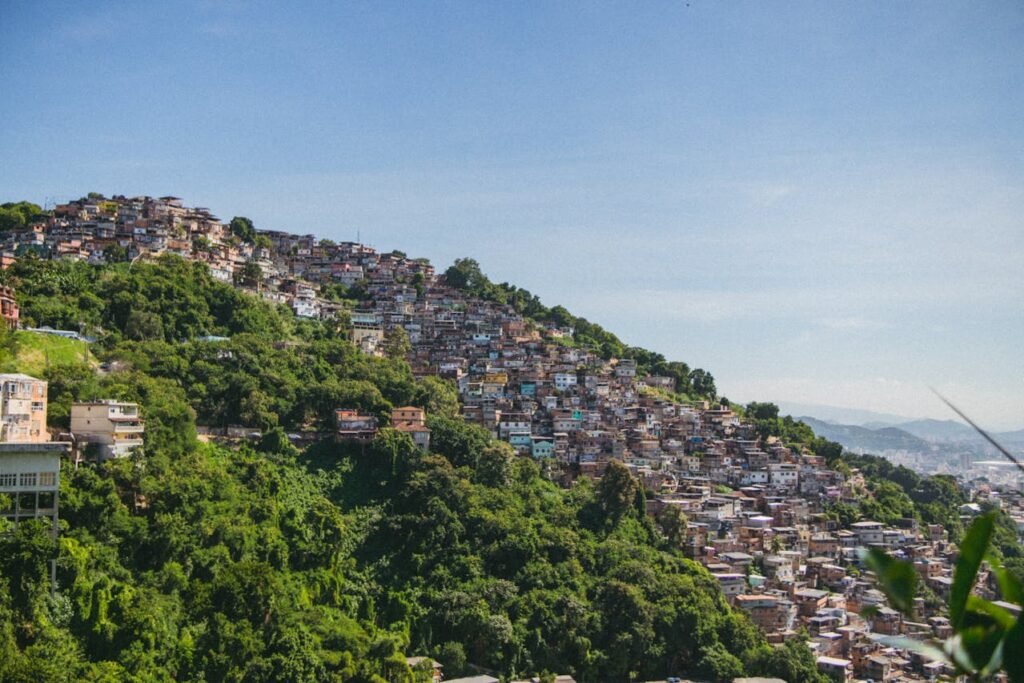
But here’s a key point: tourism in the favelas goes far beyond just looking. It’s about connecting, learning, and respecting. This experience can demystify prejudices and offer a new perspective on the city.
Is it safe to visit Rio’s favelas?
Safety: a priority
Safety is a legitimate concern for any tourist. But by choosing a specialized and reputable tourism agency, you’ll be in good hands. Local guides, who are community residents, know every alley and lane and ensure you have a safe and unforgettable experience. Additionally, many favelas have pacification projects, which contribute to a more peaceful environment.
Guided tours are the best way to ensure safety. Specialized agencies and local guides have the necessary knowledge to navigate the areas smoothly. These professionals know exactly where to go and how to avoid potential problems. Furthermore, the most visited favelas, such as Vidigal, Rocinha, and Santa Marta, have received special attention regarding safety, especially for tourism.

Another important tip: avoid visiting on your own, especially if you don’t know the city well. With a guide, besides being safe, you’ll also have access to fascinating stories that only a resident could tell.
What to expect from a tour of Rio’s favelas?
When you decide to explore Rio’s communities, be prepared for a unique experience. Unlike traditional tours, here you’ll find a mix of culture, art, and breathtaking panoramic views.
Santa Marta, for example, is famous for its connection to Michael Jackson – it was there that the star filmed the music video for “They Don’t Care About Us”. The favela also boasts one of the most organized tourist spots, with colorful murals and viewpoints that offer a spectacular view of the city.
Vidigal, on the other hand, is known for its privileged sea views and vibrant nightlife, with local bars and parties that attract both tourists and cariocas (Rio locals). If you’re an adventure fan, you can even try a hike up to Morro Dois Irmãos, one of the best observation points in Rio.
Rocinha, Brazil’s largest favela, impresses with its organization and the number of social and cultural projects. Guided tours include visits to local artists’ studios, NGOs, and markets that showcase the area’s cultural richness.
The social impact of tourism in the favelas
A common question is: is this type of tourism beneficial for the residents? The answer depends on how it’s conducted. Ethical companies reinvest part of their profits back into the community, supporting local initiatives like cultural projects, music schools, and artisan cooperatives.
Tourism also creates jobs for local guides, drivers, and small business owners. By buying lunch at a family-run restaurant or a piece of handicraft from a resident, you’re directly contributing to the community’s economy.
Is tourism in the favelas ethical?
Many tourists question whether visiting favelas is a form of exploitative tourism. It’s a valid concern, but it depends on how the tour is carried out.
If you choose a tour organized by local guides, you’re directly contributing to the community’s economy. Additionally, many of these tours have partnerships with social projects, so part of the revenue is channeled back into local initiatives.

The secret to ethical tourism is respect. No taking photos without permission or treating the place like a “human zoo.” Talk to the residents, buy local crafts, and, most importantly, be open to learning.
How to prepare for the visit?
Preparing for a tour in a Rio favela doesn’t require major complications, but a few tips are important to ensure a more enjoyable experience:
- Comfortable clothes and shoes: Since you’ll likely be walking a lot through alleys and staircases, it’s essential to be comfortable. Opt for sneakers and light clothing.
- Bring cash: Many local businesses still don’t accept cards. Having some cash on hand makes it easier to buy souvenirs or try some local food.
- Avoid flaunting valuables: You don’t need to leave your valuables at home, but avoid showing them off. This way, you’ll blend in better with the environment.
- Research the area: Understanding a bit of the history and culture of the favela you’re visiting makes the experience richer and more immersive.
The magic of the view: the landscapes of Rio’s favelas
If you think the best views in Rio are from Sugarloaf Mountain or Corcovado, get ready to change your mind. Because the favelas sit on higher ground, they offer unique panoramic views.
In Vidigal, the hike up Morro Dois Irmãos is one of the most unforgettable experiences. The trail isn’t too difficult, and at the top, you’ll be rewarded with a 360-degree view of the city, including beaches, lagoons, and mountains.

Santa Marta, on the other hand, is home to the Dona Marta viewpoint, where you can see Christ the Redeemer, Guanabara Bay, and Maracanã Stadium. For photography lovers, it’s a dream come true.
Social and cultural projects: a look beyond tourism
Another major highlight of favela tourism is the chance to discover projects that transform lives. Many communities run incredible initiatives focused on education, art, and sports.
In Rocinha, for example, you can visit Casa da Cultura, which promotes cultural events and courses for residents. In Vidigal, the Instituto Todos na Luta offers boxing classes for local youth, while in Santa Marta, music workshops uncover local talent.
By taking part in these projects, you stop being just a tourist and become part of something bigger, helping to support the growth of these communities.
Answering your most common questions
You might be wondering: “What if something goes wrong?” The truth is, just like anywhere else in the world, unexpected things can happen. But preparation significantly reduces those risks. Choose reputable agencies, check online reviews, and talk to other travelers. Doing your research and planning ahead is the best way to ensure a safe and unforgettable experience.
Another common question is: “Will I be invading residents’ privacy?” When done respectfully, favela tourism is seen as an opportunity to share stories and connect cultures. Many residents are open to chatting and sharing their experiences.
Why you should give favela tourism a chance
Visiting a favela in Rio de Janeiro is an experience that goes beyond tourism. It’s about connecting with people, stories, and cultures that often don’t make it into the traditional guidebooks. It’s about challenging preconceptions, supporting local initiatives, and discovering a city that’s so much more than what you see on postcards.
So, next time you’re thinking about visiting Rio de Janeiro, consider adding a favela to your itinerary. Go with an open mind, a smile on your face, and the certainty that you’ll leave with stories to tell and a fresh perspective on what the Marvelous City is truly all about.
Credit: cover photo: Kelly