Christ the Redeemer, one of the biggest symbols of Brazil and the world, is a must-see for anyone visiting Rio de Janeiro. Perched atop Corcovado Mountain, the statue with its open arms offers a stunning 360-degree view of the city, including landmarks like Sugarloaf Mountain and the beaches of Copacabana and Ipanema. Beyond being a major religious icon, Christ the Redeemer is also one of the New Seven Wonders of the World, drawing millions of tourists every year. To get to this attraction, you’ll need to purchase tickets, which can be bought online or directly at the transport stations for Corcovado, such as the famous Corcovado Train.
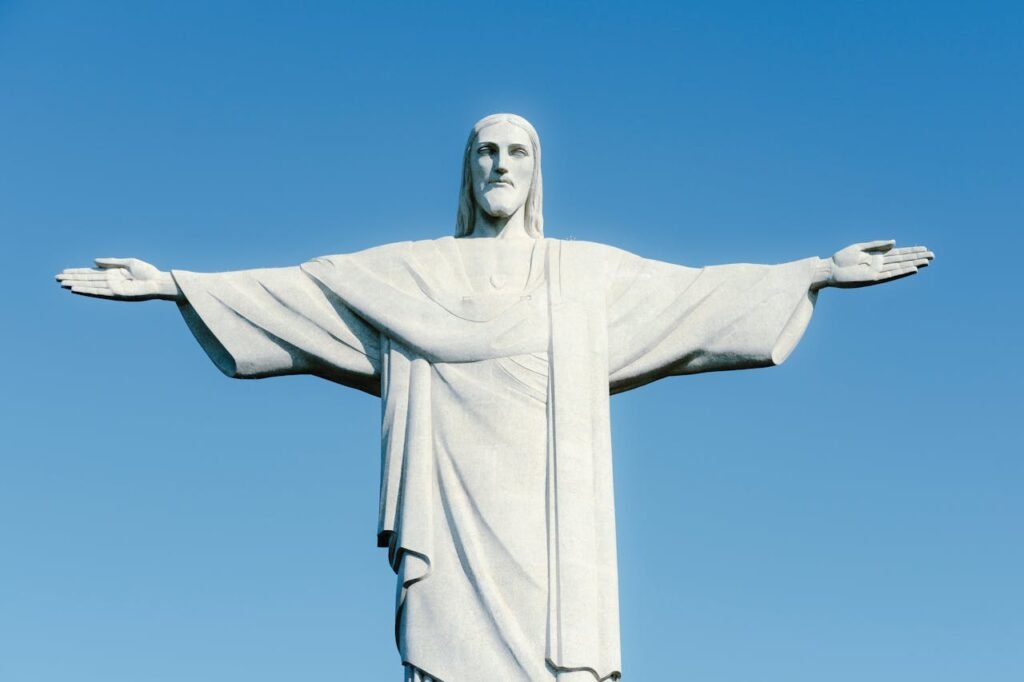
Visiting Christ the Redeemer is an unforgettable experience, giving you the chance not only to see a monumental work up close but also to explore the rich biodiversity of the Tijuca National Park, where Corcovado is located. With various transport options, like official vans and the Corcovado Train, visitors have the flexibility to choose the best way to reach the top. Secure your tickets in advance, especially during high season, and get ready to enjoy one of Rio de Janeiro’s most iconic landmarks.
Dica: Aproveite também para fazer estes passeios no Rio de Janeiro
Cristo Redentor de trem e tour pelo Rio de janeiro. Duração: 4 horas
Passeio grátis pelo centro histórico do Rio e Lapa. Duração: 3 horas
Free tour pelo bairro de Santa Teresa. Duração: 2h 30m
Amanhecer no mirante de Dona Marta + Cristo Redentor Duração: 4 horas
Veja todos os passeios e tranfers no Rio de Janeiro
Frequently Asked Questions about Christ the Redeemer and Corcovado
How much does a ticket to Corcovado cost?
The price of a ticket to Corcovado varies depending on the time of year, the mode of transport, and the departure point. In 2024, the price for the Corcovado Train generally ranges from R$ 98.00 to R$ 120.00 for adults during high season and weekends. On weekdays and outside of high season, the price can drop to R$ 74.00 to R$ 85.00. It’s important to check the updated prices on the official website before your visit, as they may be subject to change.
Tip: You can also book packages that combine transport to Christ the Redeemer, entry, and visits to other Rio de Janeiro attractions, all with a certified guide.
What is at Corcovado?
Corcovado is famous for housing the iconic Christ the Redeemer, one of the New Seven Wonders of the Modern World. In addition, it offers spectacular views of the city of Rio de Janeiro, including Guanabara Bay, Sugarloaf Mountain, and the beaches of Copacabana and Ipanema. The Tijuca National Park, where Corcovado is located, also provides direct contact with nature, with rich trails, fauna, and flora.

What does Corcovado mean in the Bible?
The name “Corcovado” has no connection to the Bible. The origin of the name is uncertain, but some theories suggest it may come from the curved shape of the mountain, which resembles a hunchback.
What was at Corcovado before Christ the Redeemer?
Before the construction of Christ the Redeemer, Corcovado Mountain was already a popular spot for locals and tourists alike, thanks to its stunning views. In the 19th century, Emperor Dom Pedro II reportedly ordered the construction of a railway, which became the famous Corcovado Train, inaugurated in 1884.
What does Corcovado mean in Latin?
The word “Corcovado” does not have Latin origins. It is a Portuguese word that refers to the curved shape of the mountain.
Why is it called Corcovado?
The exact origin of the name “Corcovado” is unknown, but, as mentioned earlier, the curved shape of the mountain is the main hypothesis to explain this name.

Who built Christ the Redeemer?
Christ the Redeemer was designed by Brazilian engineer Heitor da Silva Costa and sculpted by French artist Paul Landowski. The statue was built by a team of Brazilian workers.
Why is it called Christ the Redeemer?
The name “Christ the Redeemer” symbolizes the Christian faith and the redemption of sins. The statue was built during a time of great religious fervor in Brazil and represents hope and peace for the people.
What type of rock forms Corcovado?
Corcovado is made up primarily of granite, an intrusive igneous rock that formed from the slow cooling of magma deep inside the Earth.
What is the other name for Christ of Rio de Janeiro?
Christ the Redeemer is the statue’s most famous name, but it’s also affectionately called “Christ.”
How was Corcovado formed?
Corcovado is the result of a geological process that took millions of years. The formation of the granite and erosive processes shaped the hill over time, giving rise to its distinctive form.