The Arcos da Lapa are one of Rio de Janeiro’s most iconic landmarks. Located in the heart of the Lapa neighborhood, this monument is not just an architectural marvel but also a symbol of Rio’s rich history and vibrant culture. In this article, we’ll explore everything you need to know about the Arcos da Lapa, from its origins to its relevance today, including fun facts, visiting tips, and much more.
Tip: Make the most of your trip and discover even more of Rio de Janeiro with our tour tips
History of the Arcos da Lapa
The Arcos da Lapa, also known as the Carioca Aqueduct, were built in the 18th century, initially serving as an aqueduct. The construction was completed in 1750 and was designed to transport water from the Carioca River to the city’s central region, which was facing supply issues.
Dica: Aproveite também para fazer estes passeios no Rio de Janeiro
Cristo Redentor de trem e tour pelo Rio de janeiro. Duração: 4 horas
Passeio grátis pelo centro histórico do Rio e Lapa. Duração: 3 horas
Free tour pelo bairro de Santa Teresa. Duração: 2h 30m
Amanhecer no mirante de Dona Marta + Cristo Redentor Duração: 4 horas
Veja todos os passeios e tranfers no Rio de Janeiro
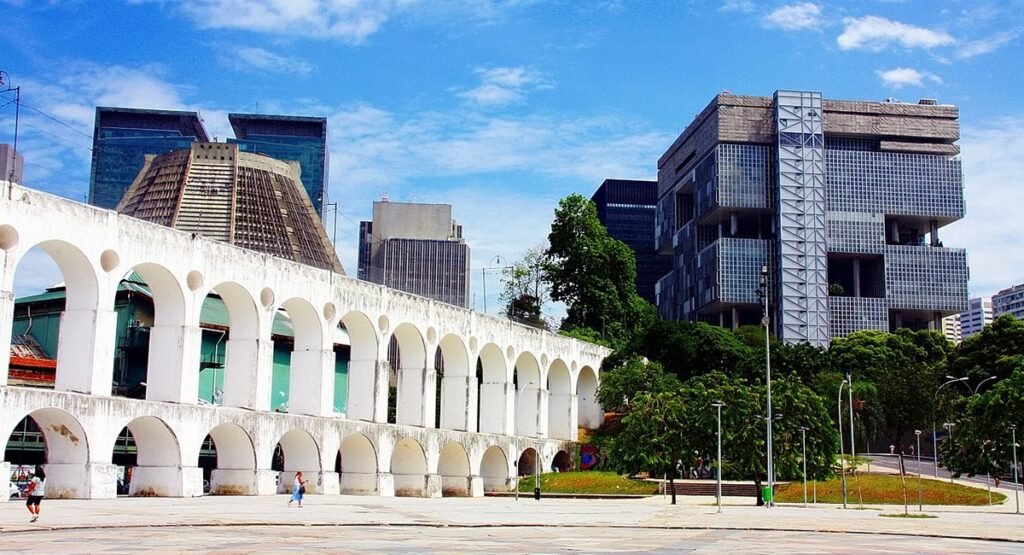
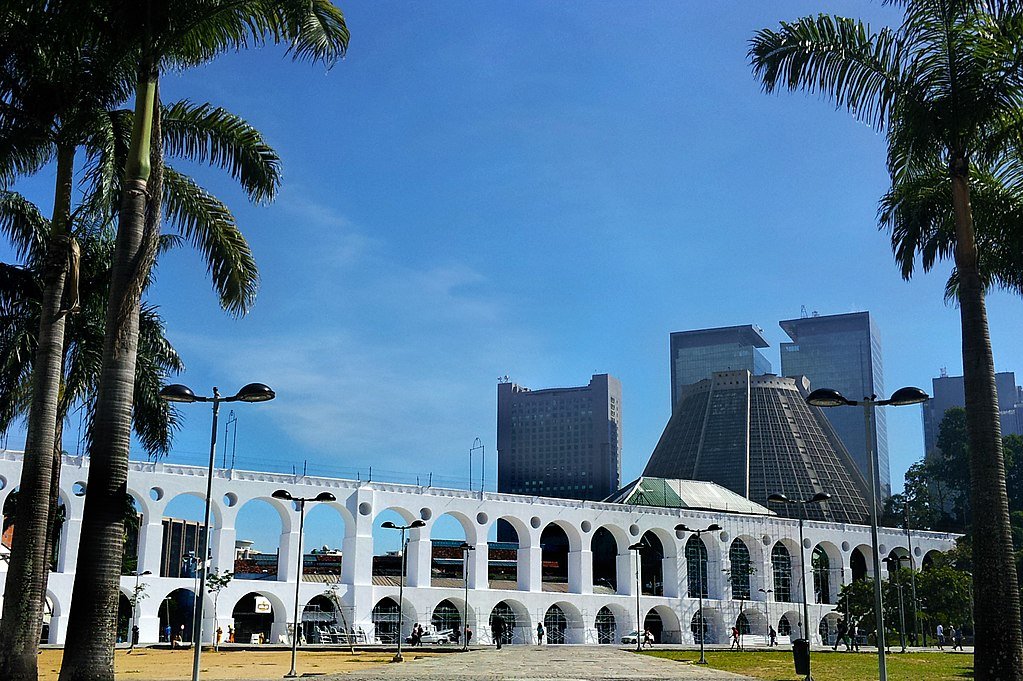
The structure is made up of 42 arches in Roman style, measuring approximately 270 meters in length and 17.6 meters in height. Its construction is a testament to the engineering of the era and was essential for Rio de Janeiro’s urban growth, especially during the colonial period.
Rio Tips | Christ the Redeemer awaits you with open arms, ready to meet you!
From Aqueduct to Historical Landmark
Over time, the aqueduct became obsolete and was deactivated at the end of the 19th century. However, the Arcos da Lapa didn’t lose their importance to the city. In 1896, the structure was adapted to function as a viaduct for the trams that connected the city center to the Santa Teresa neighborhood, a role it still plays today, with the famous Santa Teresa Tram passing through its arches daily.
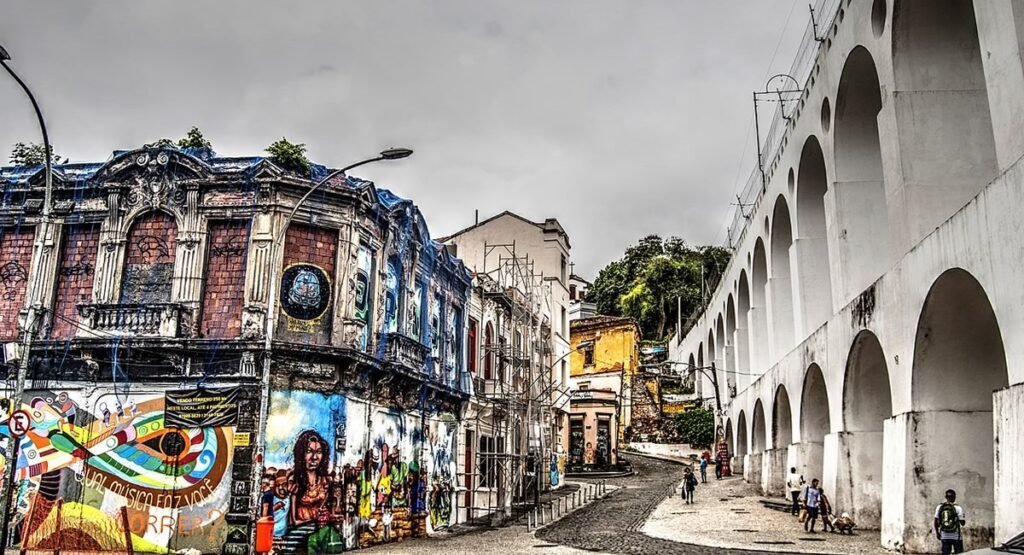
Beyond its practical importance, the Arcos da Lapa have been designated a historical landmark, solidifying their status as one of the most sought-after tourist attractions for Brazilian and international visitors wanting to learn more about Rio de Janeiro’s history.
Lapa: The Bohemian Neighborhood
The Arcos da Lapa are located in the heart of Lapa, one of Rio de Janeiro’s most vibrant and bohemian neighborhoods. Known for its nightlife, Lapa attracts visitors from around the world with its bars, music venues, and samba circles. It’s a place where Brazilian culture is experienced in its most authentic form, with plenty of music, dance, and, of course, gastronomy.
Arcos da Lapa and Cultural Tourism
Today, the Arcos da Lapa are much more than a historical monument. They are the starting point for anyone looking to explore Rio de Janeiro’s cultural life. The area around the Arcos is a stage for music festivals, cultural events, and artistic expressions of all kinds. Additionally, it’s common to find street artists performing on-site, adding an extra charm to your visit.
Fun Facts About the Arcos da Lapa
- The Arches Are Bigger Than They Look! Many tourists are surprised by the actual size of the Arcos da Lapa. From a distance, they might seem shorter than they are, but at nearly 18 meters tall, the structure is truly imposing.
- Connection to the Santa Teresa Tram: As mentioned, the Arcos serve as a viaduct for the tram that connects Rio’s center to the Santa Teresa neighborhood. The tram ride is one of the city’s most classic tourist activities and offers incredible views of downtown and Lapa.
- Inspiration for Artists: Over the years, the Arcos da Lapa have inspired countless works of art, from paintings and photographs to music and poetry. Their imposing presence and historical significance make them a cultural icon not just for Cariocas, but for all Brazilians.
Visiting the Arcos da Lapa: Practical Tips
If you’re planning to visit the Arcos da Lapa, here are some tips to ensure you make the most of your experience:
- Best time to visit: While the Arcos can be visited at any time of day, we recommend going in the late afternoon to enjoy the sunset light, which creates a unique atmosphere. At night, the neighborhood comes alive with its famous bohemian vibe, perfect for those looking to experience Rio’s nightlife.
- What to bring: Bring a camera or a phone with a good camera to capture amazing photos of the Arcos and the surrounding scenery. Also, remember to dress comfortably, as the area can get quite busy, especially on weekends.
- How to get there: The nearest metro station is Cinelândia, just a few minutes’ walk from the Arcos. You can also take a bus that passes along Avenida Mem de Sá or Avenida República do Paraguai, the main access routes to Lapa.
Events and Festivals at the Arcos da Lapa
The Lapa area is known for hosting numerous cultural events throughout the year. During Carnival, for example, the area transforms into one of the main gathering spots for revelers. Additionally, music festivals featuring samba, choro, and MPB are frequent in the region.
A standout venue is the “Circo Voador”, a concert hall located right next to the Arcos da Lapa. Opened in the 1980s, Circo Voador has hosted major national and international music acts and remains a benchmark in Rio’s cultural scene.
Arcos da Lapa: A Heritage of Rio and Brazil
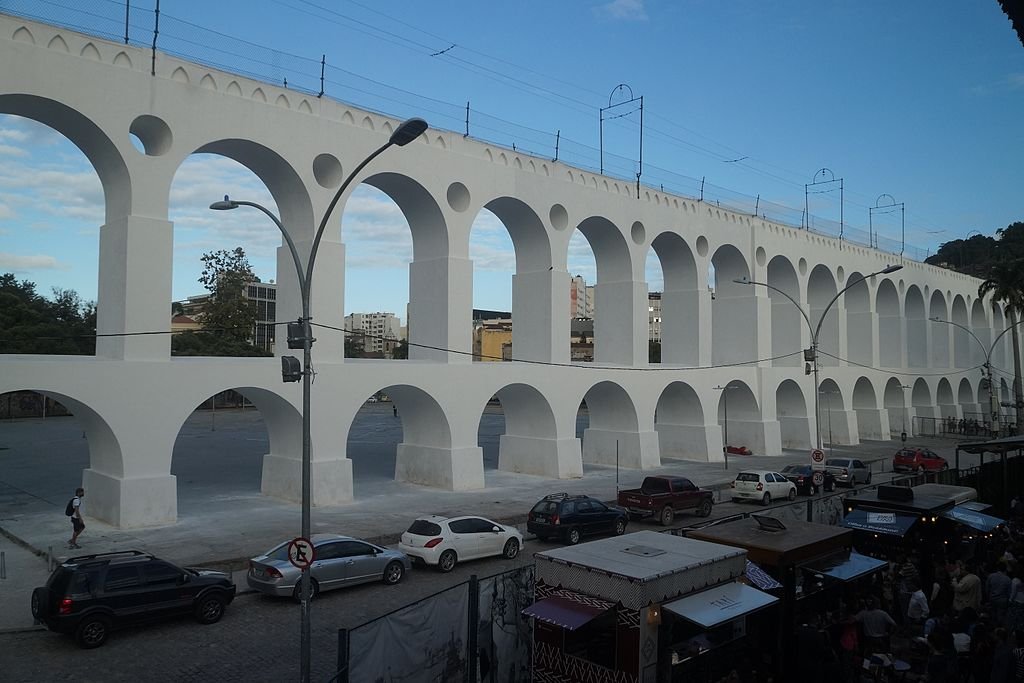
The Arcos da Lapa are not just a masterpiece of colonial engineering; they are also a living symbol of Rio de Janeiro’s historical and cultural evolution. From aqueduct to viaduct, from monument to tourist attraction, the Arcos continue to enchant visitors from around the world, offering a unique experience that connects the past and the present.
Whether you want to admire its imposing architecture, soak up Lapa’s bohemian vibe, or learn more about Rio’s history, the Arcos da Lapa are an unmissable stop for anyone looking to understand the carioca spirit. After all, few places capture the essence of this marvelous city so authentically.
Frequently Asked Questions about the Arcos da Lapa
1. What is the history of the Arcos da Lapa?
The Arcos da Lapa were built in the 18th century as an aqueduct to carry water from the Carioca River to downtown Rio de Janeiro. Today, they serve as a viaduct for the Santa Teresa tram and are a historic landmark of the city.
2. Where are the Arcos da Lapa located?
The Arcos are located in the Lapa neighborhood, in Rio’s central region, near the Cinelândia metro station.
3. Can you visit the Arcos da Lapa?
Yes, the Arcos da Lapa are a tourist attraction open to the public. You can visit the area at any time of day, but it’s best to go in the late afternoon or evening to enjoy the atmosphere of Lapa’s nightlife.
4. What else is there to do in Lapa besides visiting the Arcos?
Lapa is famous for its nightlife, with numerous bars, music venues, and samba circles. The area is also home to Circo Voador, a highly relevant cultural space.
5. How do I get to the Arcos da Lapa?
You can reach the Arcos da Lapa by metro, getting off at Cinelândia station, or by bus that passes through the area’s main streets, such as Avenida Mem de Sá.
6. Are the Arcos da Lapa safe to visit at night?
Although Lapa is known for its nightlife, it’s important to take proper precautions, such as avoiding carrying valuables and preferring to walk in a group, especially at night.
7. What is the Santa Teresa tram?
The Santa Teresa tram is a famous streetcar that passes over the Arcos da Lapa and takes passengers to the Santa Teresa neighborhood, offering panoramic views of the city center.
Want to enjoy the Arcos da Lapa at night too? Check out our complete guide to Lapa’s nightlife, with tips on samba houses, safety, and how to get there and back.