Rio de Janeiro’s Carnival is one of the most famous and vibrant celebrations on the planet. During this festival, the city transforms into a massive stage where joy, music, and dance sweep millions of people off their feet. From the grand samba school parade to the lively street parties, Rio Carnival is a one-of-a-kind experience that captivates Brazilians and tourists from every corner of the globe. In this article, we’ll dive into everything that makes Rio Carnival so special and why it deserves a top spot on your bucket list.
The History of Rio Carnival
Carnival has deep roots in Rio de Janeiro, dating back to the colonial era when popular festivities were already part of the local culture. However, it was in the early 20th century that Rio Carnival began to take the shape we know today, with the emergence of the first street blocks and marchinha competitions. The samba schools, which are now the heart of Carnival, began to form in the 1920s and have been the stars of the show ever since.
Dica: Aproveite também para fazer estes passeios no Rio de Janeiro
Cristo Redentor de trem e tour pelo Rio de janeiro. Duração: 4 horas
Passeio grátis pelo centro histórico do Rio e Lapa. Duração: 3 horas
Free tour pelo bairro de Santa Teresa. Duração: 2h 30m
Amanhecer no mirante de Dona Marta + Cristo Redentor Duração: 4 horas
Veja todos os passeios e tranfers no Rio de Janeiro
Pro tip: check out 10 must-see tourist attractions in Rio de Janeiro
The Samba School Parade: The Crown Jewel of Carnival
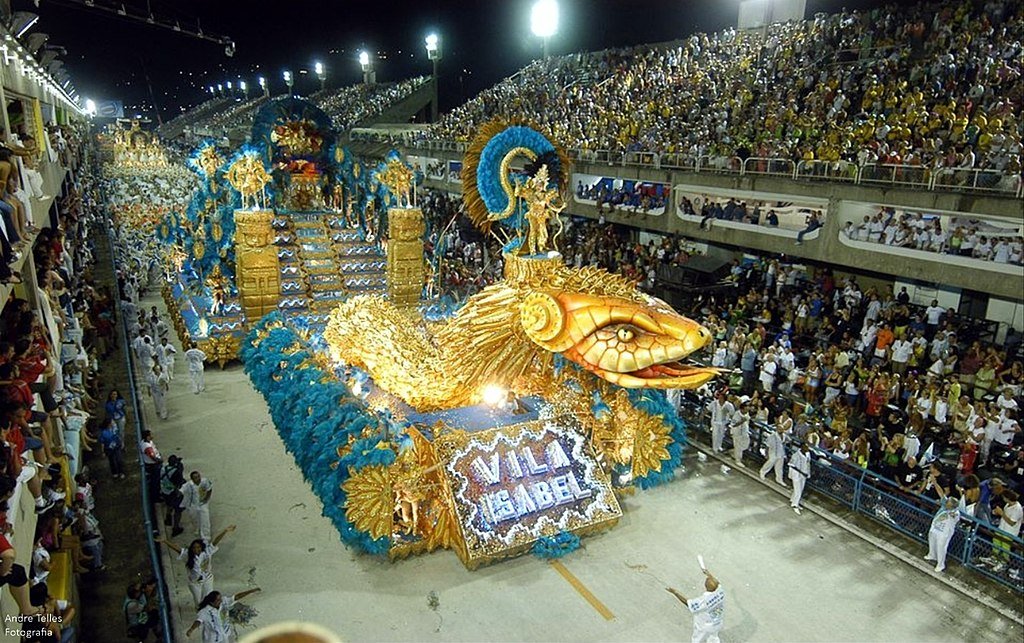
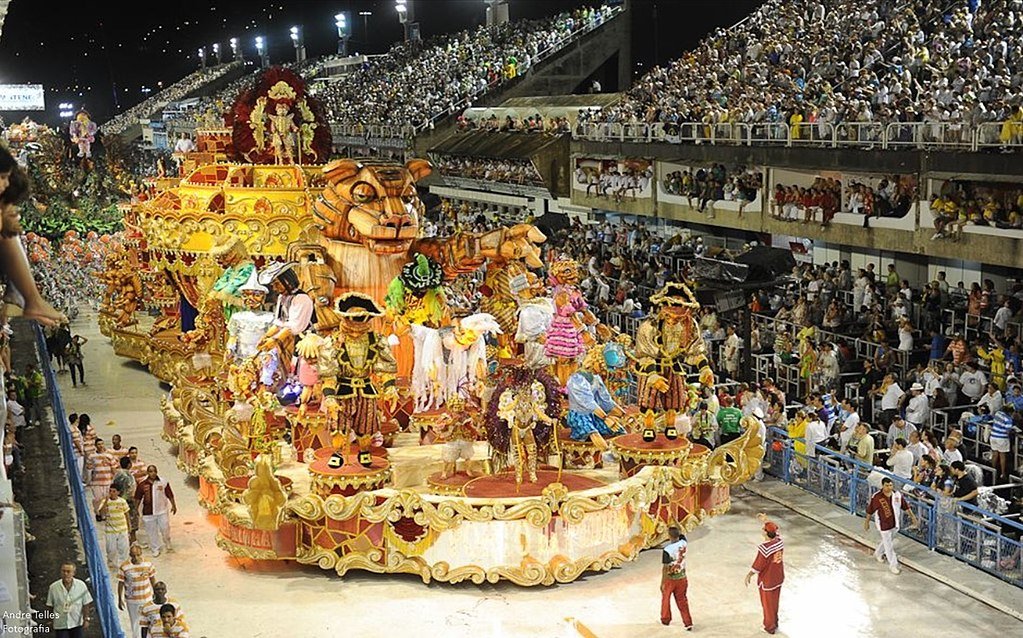
If there’s one event that defines Rio Carnival, it’s the samba school parade. Held at the iconic Sambódromo in Marquês de Sapucaí, the parade brings together Rio’s biggest and most traditional samba schools, like Mangueira, Beija-Flor, Portela, and Unidos da Tijuca.
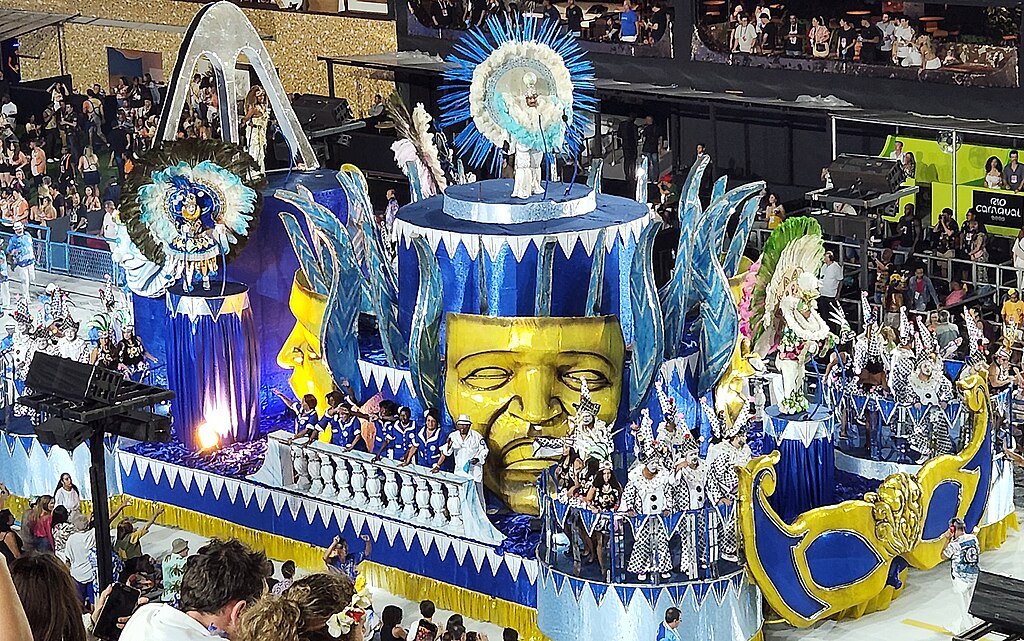
Each school spends the entire year preparing a grand spectacle, complete with stunning floats, luxurious costumes, and a drum section that makes your heart race. The parade’s theme, known as the enredo, always highlights a cultural, social, or historical aspect, portrayed in a creative and captivating way.
Watching the parade is an unforgettable experience. The energy of the crowd, the dedication of the samba dancers, and the sheer beauty of the show are something that can’t be put into words—you have to live it to truly understand.
Street Parties: The Soul of Carnival
While the samba school parade is the most famous event, the true spirit of Rio Carnival is found in the street parties, or blocos. These groups of revelers—made up of friends, neighbors, or just Carnival lovers—take to the streets playing and singing Carnival music, often accompanied by drum batteries and sound trucks.
Street parties are democratic and inclusive—anyone can join, whether in full costume or just comfy clothes. They happen all over the city, from the most traditional neighborhoods to the tourist hotspots like Ipanema and Copacabana. Each bloco has its own identity, with playlists ranging from classic marchinhas to contemporary hits, all with one goal: pure, unadulterated fun.
Tips for Making the Most of Rio Carnival
If you’re planning to experience Rio Carnival, a few essential tips will help guarantee an unforgettable time:
- Plan ahead: Carnival is peak season in Rio, so it’s crucial to book your accommodation and Sambódromo tickets well in advance.
- Wear comfortable costumes: If you’re hitting the street parties, go for light and comfy outfits, as temperatures can soar this time of year.
- Stay hydrated and fueled: The party can get intense, so remember to drink plenty of water and have light meals throughout the day.
- Getting around: Use public transport or ride-sharing apps, as traffic can be chaotic during Carnival.
Carnival Beyond the Sambódromo and Street Parties
Rio Carnival goes far beyond the Sambódromo and the street parties. During this period, the city offers a wide range of events and activities that complement the celebration. From Carnival balls held in clubs and hotels to private parties on rooftops and boats, Rio has options for every taste.
What’s more, many museums, art galleries, and cultural centers host special exhibitions and events during Carnival, exploring the history and culture of this celebration that’s so important to the people of Rio.
The Cultural and Economic Impact of Carnival
Carnival isn’t just a popular festival; it also plays a crucial role in Rio de Janeiro’s economy. The celebration generates thousands of direct and indirect jobs, from costume-making to event organization. Additionally, Carnival attracts hundreds of thousands of tourists, boosting sectors like hospitality, food, and transportation.
At its core, Rio de Janeiro’s Carnival is a vibrant expression of the Brazilian people’s diversity and creativity. It’s a time when all social classes, ages, and backgrounds blend together in a celebration of joy and inclusion. Samba, the rhythm that drives the party, is an intangible heritage of Brazil, and Carnival is one of the most powerful ways to keep it alive.
Carnival and Sustainability: Challenges and Initiatives
In recent years, Rio de Janeiro’s Carnival has faced the challenge of becoming a more sustainable celebration. The massive amount of waste produced during the parades and street parties is a growing concern. Fortunately, several initiatives have emerged to reduce the event’s environmental impact.
Some street parties, for example, have started promoting the use of reusable cups and selective waste collection. Additionally, many samba schools are investing in recycled materials for their costumes and floats. While there’s still a long way to go, the path toward a more sustainable Carnival has already begun.
The Global Influence of Rio de Janeiro’s Carnival
Rio de Janeiro’s Carnival isn’t just famous within Brazil; it also exerts a major influence on the international stage. The celebration has inspired Carnivals in other parts of the world, such as Notting Hill in London and the Toronto Carnival in Canada. Furthermore, Rio’s samba schools and street parties frequently perform at international events, taking samba culture beyond Brazil’s borders.
Beyond inspiring other Carnivals, Rio de Janeiro has also become a sought-after destination for international celebrities during this time of year. It’s common to see actors, musicians, and other famous personalities parading with samba schools or enjoying the street parties.
Rio de Janeiro’s Carnival: A Unique Experience
Participating in Rio de Janeiro’s Carnival is more than just watching a party—it’s experiencing the soul of Brazil in its purest, most vibrant state. Whether at the grand parades in the Sambadrome, the lively street parties, or the many festivities scattered across the city, Carnival in Rio offers something for everyone. It’s a celebration of life, joy, and culture that leaves a deep mark on all who are lucky enough to experience it.

If you haven’t experienced this celebration yet, maybe it’s time to plan your next trip to Rio de Janeiro during Carnival. It’s sure to be an experience you’ll never forget.
FAQs
How can I join the street parties during Rio de Janeiro’s Carnival?
Street parties are open to the public and free of charge. Just find a party that interests you, check the location and time, and join the fun. No tickets are required.
What’s the best way to buy tickets for the samba school parade?
Tickets can be purchased online, through official websites, or via travel agencies. It’s recommended to buy in advance, as tickets sell out quickly.
What should I wear at Rio de Janeiro’s Carnival?
For the parades at the Sambadrome, the dress code is open, but many opt for comfortable clothing. At street parties, costumes are common, and they can be themed or improvised.
What’s the best place to watch the samba school parade?
The luxury boxes offer a privileged view and comfort, but they’re more expensive. The grandstands have a great atmosphere and are more affordable, but it’s important to arrive early to secure a good spot.
How does Carnival impact tourism in Rio de Janeiro?
Carnival is one of Rio de Janeiro’s biggest tourist attractions, drawing visitors from around the world. It boosts the local economy, especially in the hospitality, food, and transportation sectors.
What are the most famous street parties in Rio de Janeiro?
Some of the most popular parties include “Cordão da Bola Preta”, “Bloco da Preta”, “Monobloco”, and “Bangalafumenga”, which attract thousands of
Credit: Cover photo Andre Telles on Wikimedia